
.png)
In Search of My Roots: The Living Tradition of Bahis
I had originally intended to write this article in Hindi. However, I soon realised that many of my friends, though fluent in speaking their mother tongue, are far more comfortable reading in English. So, here I am, attempting to narrate a story that is deeply rooted in my heritage in a language that reaches a wider audience.
I have an inherent curiosity within me, when it comes to history, possibly inculcated by my mother. I get excited to hear about it or talk about it and often am engrossed in such thoughts. This is probably the reason why I chose it for my alma mater. The same curiosity led me to research about my own roots. I had started making a family tree back in 2010 when I was nine years old, with the help of my grandfather Dr. Surya Narayan Chaturvedi, who passed away the next year. My grandfather gave me whatever information he had, along with a book titled “शंकरपुर के पाण्डे: एक परिचय” written by Shri Ravindra Nath Ji and Shri Dhirendra Nath Ji. My grandfather had told me that our family originally hails from Shankarpur, a village near Gwalior, Madhya Pradesh, and then migrated to Varanasi almost 150 years ago. Apart from that he had no information about our roots at Shankarpur.
The aforementioned book proved to be a great source for the history of Shankarpur village and of all the families associated with it, and I have immense respect and admiration for the writers, who undertook such a difficult, yet paramount task! Yet, it could trace our family only till 6-7 generations. The writers themselves mentioned that they could not connect the dots, that would link our family to the initial inhabitant of Shankarpur, Shri Kalyankar Pandey, who lived around the end of the fifteenth century (c. 1480). (Yes, that's impressive.)
I dived a little deeper into the book to see if some connection sprouted up, but to no success. The authors, Shri Ravindra Nath Ji and Shri Dhirendra Nath Ji assume that we are linked by some branch to the only Sati of Shankarpur आदरणीया दादी जी, the wife of श्री खरगमणि, the Diwan of Narvar. This seems the most plausible explanation of our origin, since our family has immense faith in Sati Mata (though there is an absence of सती के गीत or her श्राद्ध), yet our family, most religiously follows the prohibition of “हरी छोर की चुनरी और लाख की चूड़ियां” for any auspicious occasion, which is similar to the families that directly descent from Dadi Ji in Etawah. So it is almost certain that our family may also trace descent from Dadi Ji and Kharagmani Ji, who had eight sons, three of whose descendants cannot be traced. We may be the descendants of one of those three sons or from Madarilal Ji, the brother of Shri Kharagmani Ji.
Since the book mentioned my great-grandfather's visit to Haridwar, therefore to find answers to my questions, I travelled to Haridwar to consult with the Pandas who preserve family histories in documents called Bahis. The book mentioned the name of Shri Motiram Ji Pokhariya, who kept this Bahi. It took us some time to find the Panda that kept the records of our family, but it was definitely worth it. After searching for a while we reached Ramgiri Ki Haveli in Haridwar to find Panda Motiram Ji Pokhariya's descendants. To my relief we found them and were taken to a small room packed with such records. As soon as we entered the room, we were greeted by the question “आप चौबे हैं?” Possibly my round face and moreover, my extra protruding belly gave away my identity. Jokes apart, I was surprised and answered with a simple nod.
Now the person asked “आप कुलीन हैं, सेगवार हैं या बदलुए”, I said “कुलीन”. The next question was “अल्ल बताइए” , “पाण्डे” I replied. Then from an almost broken cupboard, he took out a huge roll of pages, carefully kept and covered with a cloth. On its front was written “मथुरिया पाण्डे”. He opened and started flipping the pages, then he turned up and asked, “आप मीठे हैं कि कड़वे?” I replied with a grin “हम कड़वे हैं”. He called his brother “अरे राजू ये मीठे पाण्डों की है, दूसरी निकालो”, then another huge bundle was taken out and the name “शंकरपुर” was being searched. He came across many names including the above-mentioned authors Shri Ravindra Nath Ji and Shri Dhirendra Ji. But couldn't find our family's details. Then one of the pages of the Bahi were visible and I saw the name “पं० कैलाशनाथ चौबे” written, to which I immediately pointed out.
The record read
“मु ० पांडे संकरपुरी के कासी जी के मोहल्ला सिद्धमाता गली के लिखितम चौबे कैलासनाथ जी बेटे रामप्रसाद जी के पोते महादेव लाल जी के। महादेवलाल बेटे देवीप्रसाद के पोते संगमलाल के। विश्वेश्वर नाथ बा शंभुनाथ बा सूरजनाथ बा हरिनाथ बा उमानाथ की माता सावित्री बेटे कैलासनाथ जी के ० कैलासनाथ जी हरद्वार आये मसूरी को गये अमरतसर को गये साल दुसाल खरीदने को भाद्र सुदी १२ (12), १९९५ (संवत् 1995)”
To which my great grandfather had signed:
“हमारे वंसज का ठीक पता जो पंडा बतावेगा वही माना जाएगा”
पं ० कैलाशनाथ चौबे (his signature)
वा खद ६-९-३८ (06/09/1938)
The Panda exclaimed “देखिए वो मसूरी गए थे! आपके परिवार से अट्ठासी (88) साल बाद कोई आया है!”
Now this was so astonishing, so exhilarating! I found the name of one more generation, though couldn't find the connection, the missing link, but what mattered was that I was able to see what my great-grandfather had deliberately left this record for his descendants, i.e. for me!
Then the Panda started writing on a fresh page about our visit, asked details of my siblings, my father's siblings and so on. I told that I only have an elder sister, who got married last year. To which he boastingly asked “चौबों में ही हुई है?” To his surprise I said, “जी”. Then he asked “वो लोग कहां के हैं?” I replied, “वे लोग अलीगढ़ में रहते हैं लेकिन इटावा के मूल निवासी हैं” . Another question popped up, “उनकी अल्ल क्या है?” I replied, “डुंडवार”. Now he said something mind blowing, “अच्छा तो वो तो वसिष्ठ गोत्र के हैं” and “आप लोगों की तो चौंसठ (64) अल्ले होतीं हैं”.
This is as surprising as it is unbelievable. A priest which has no relation to Chaturvedis at all, knows, by heart, all 64 of them! And also to which gotra they belong to! Even people from our community cannot name all 64 of them. What is his interest, his benefit? The meagre amount of money that one family pays, after visiting in almost 100 years? He could have easily thrown away those records and given those rooms on rent, or as a B&B. But he chose not to. This consciousness, this responsibility, this selflessness certainly deserves respect! In a so-called “modern” age, where western ideas are engulfing us and people are suffering from cultural amnesia, this centuries-old tradition of record-keeping is surviving!
Once someone asked me “what will I do with this knowledge? If you consider knowledge at all.” I couldn't reply to them due to my respect for them, but knowing about one's origin is part of knowing about your culture, your heritage and your country. It provides you a sense of belonging, a pride upon your culture and not only that it will provide your future generations about your life! You never know after 88 years one of your descendants will look for something that you left and would be happy to just see your signature!
That experience also made me realise that our ancestors did not merely preserve names; they preserved a way of remembering. In the Indian tradition, genealogy was never viewed as an exercise in curiosity alone, but as an essential part of one's relationship with family, society and Dharma. This perhaps explains why our scriptures speak of the concept of the three debts (त्रि-ऋण). In Sanatana Dharma, a person is born with three debts (तीन ऋण): देव ऋण, ऋषि ऋण and पितृ ऋण. The daily rituals of a person are the only way to pay back these debts. By worshipping deities daily you absolve from देव ऋण. By reading the Vedas and daily revisions you absolve from ऋषि ऋण. The only debt that's the most difficult to pay back is the पितृ ऋण. It requires various rituals including तर्पण, श्राद्ध, पिण्ड दान, गयाश्राद्ध/तीर्थ श्राद्ध and by producing progeny yourself! The तर्पण process is required to be done daily or at least fortnightly. It is a series of water oblations to your ancestors in the hope that they receive it. In this process three generations are to be honoured including your parents, paternal grandparents and great-grandparents. On your maternal side are your maternal grandparents, great-grandparents and great-great-grandparents. It is really saddening that in today's time people neither know, nor want to know even their names.
An event in mediaeval history proves the great significance of this ritual. As you all might know, Aurangzeb (Alamgir) had killed his elder brother and imprisoned his father Shah Jahan in Agra's Red Fort. He used to send water to his father in only a measured quantity. A well known anecdote ascribed to Shah Jahan reads:
“ऐ पिसर तू अजब मुसलमानी,ब पिदरे ज़िंदा आब तरसानी।आफ़रीन बाद हिंदवां सद बार,मैं देहंद पिदरे मुर्दा रा व दायम आब।”
“O son! What kind of strange Muslim are you?You are starving your living father for water.A hundred praises be upon the Hindus,Who constantly offer water to their deceased ancestors.”
This may not be written by Shahjahan himself, but beautifully explains the beauty of our Dharma!
I once read a line somewhere, “you have two parents, four grandparents, eight great-grandparents and sixteen great-great-grandparents! Even if one of them wasn't there, you won't be there.” This had such a great effect on me that I began asking about my own roots, my ancestry. In that attempt I created a family tree, which now includes more than 5000 people, from all Chaturvedi families, which are somehow linked to my paternal (Shankarpur) or maternal family (Mainpuri). In the preface of the book on Shankarpur, Padma Bhushan Pt. Shri Narayan Chaturvedi “Bhaiya Sahab” has mentioned a line from a poem by Pt. Radha Krishna Mishra, “उठते हैं वीर पुत्र, जिनको पितरों का है अभिमान।”
At a time when rapid urbanisation, migration and changing lifestyles have distanced many of us from our ancestral roots, such traditions deserve renewed appreciation. Perhaps not everyone will feel the same curiosity that I do, and that is perfectly understandable. But if this account inspires even one person to ask their grandparents about their family, preserve an old photograph, write down the names of their ancestors, or visit the Panda who has safeguarded their family's history for generations, I shall consider this article worthwhile. Our roots do not bind us to the past; they help us understand who we are.
Remember that one day, decades from now, one of our descendants may come searching for us, just as I searched for my great-grandfather. They may not inherit our wealth, our professions, or even our language. But if they inherit the knowledge of who they are and where they come from, we shall have left them something far more enduring.
Please feel free to contact me to know the location of the Panda and his contact details.
ॐ पितृभ्यः स्वधायिभ्यः स्वधानमः। पितामहेभ्यः स्वधायिभ्यः स्वधानमः। प्रपितामहेभ्यः स्वधायिभ्यः स्वधानमः। अक्षन्पितरो मीमदन्त पितरो तीतृपन्त पितरः पितरः शुन्धद्ध्वम्।।
~आराध्य चतुर्वेदी
जन्म: 8/11/2001
9971357252
Related Posts

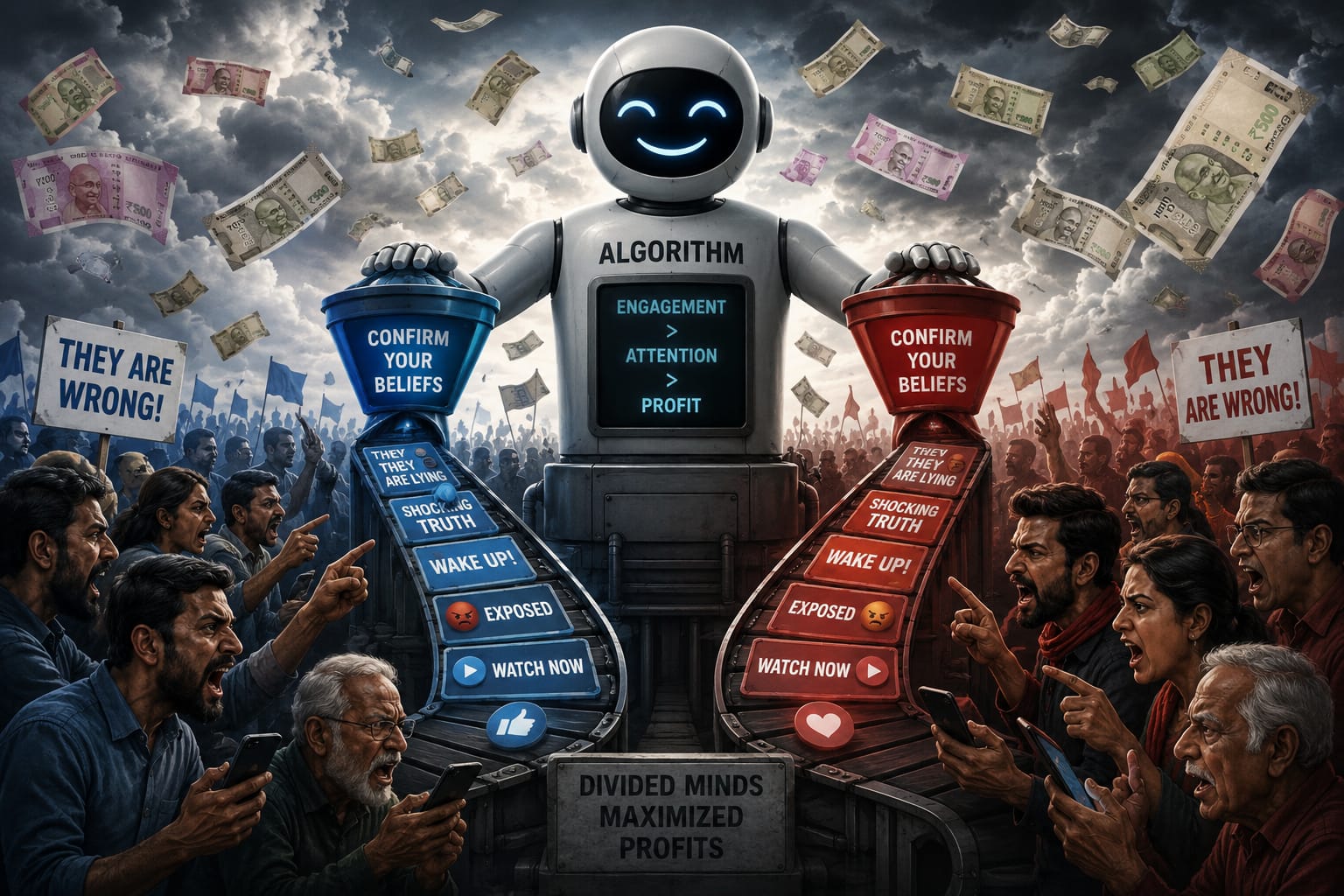
From Shastrarth to Social Media: Can Algorithms Preserve Civilisation?
From Shastrarth to Social Media: Can Algorithms Preserve Civilisation?
.png)
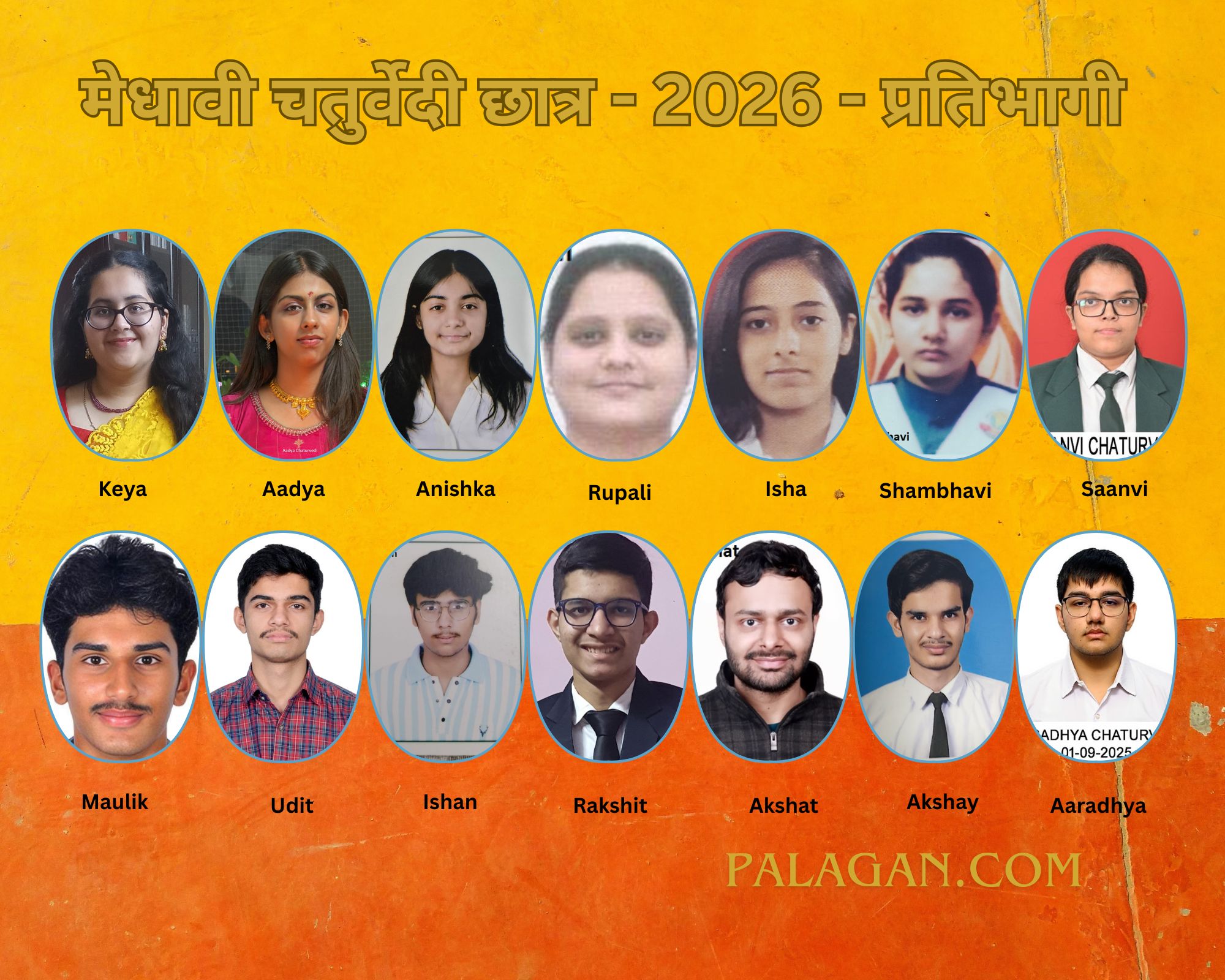
Chaturvedi Students Participate in Medhavi Chatr Awards who appeared for Class 12 Board Exams 2026
Chaturvedi Students Participate in Medhavi Chatr Awards who appeared for Class 12 Board Exams 2026

TrustTalks in conversation with Neera Misra ji on Yamuna, Indraprasth and Draupadi
TrustTalks in conversation with Neera Misra ji on Yamuna, Indraprasth and Draupadi
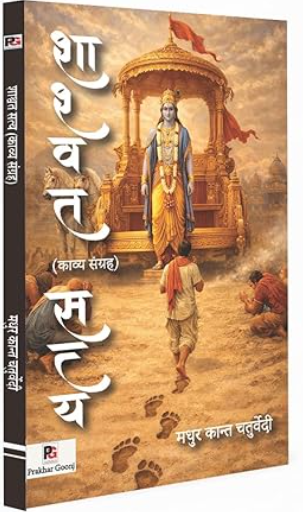
श्री मधुर कांत चतुर्वेदी की साहित्यिक यात्रा
श्री मधुर कांत चतुर्वेदी की साहित्यिक यात्रा
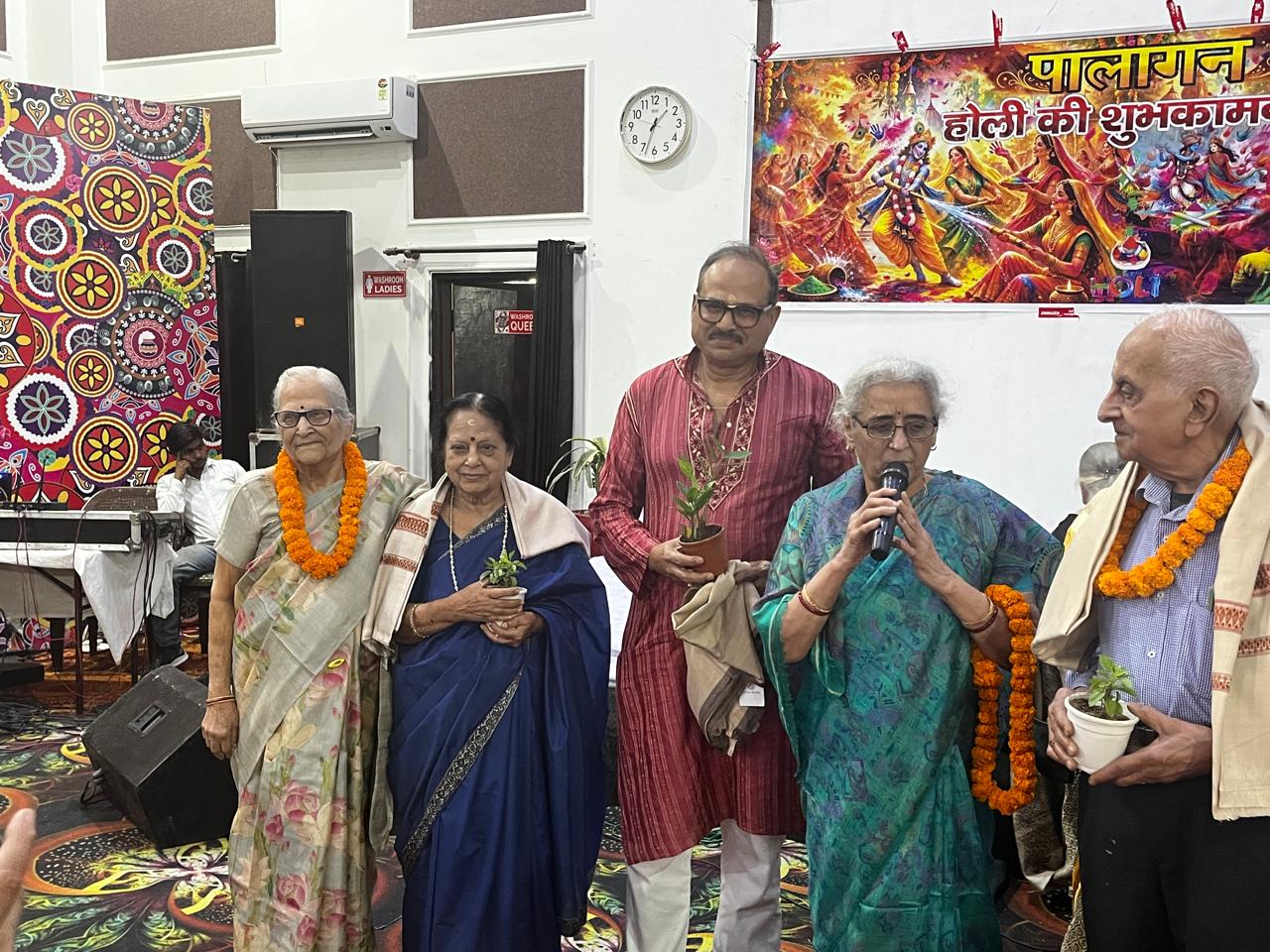
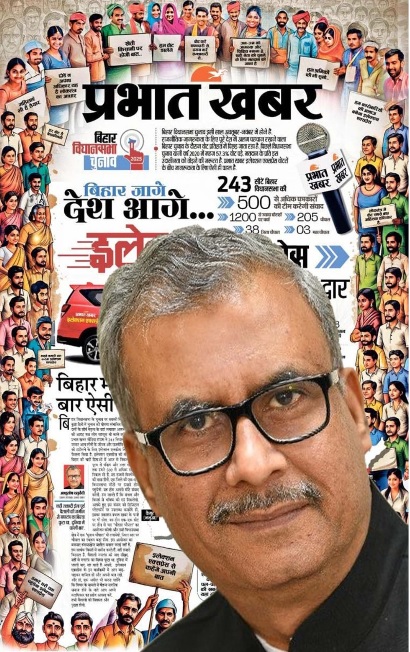
आशुतोष चतुर्वेदी , सूचना आयुक्त से बातचीत
आशुतोष चतुर्वेदी , सूचना आयुक्त से पालागन. कॉम की बातचीत
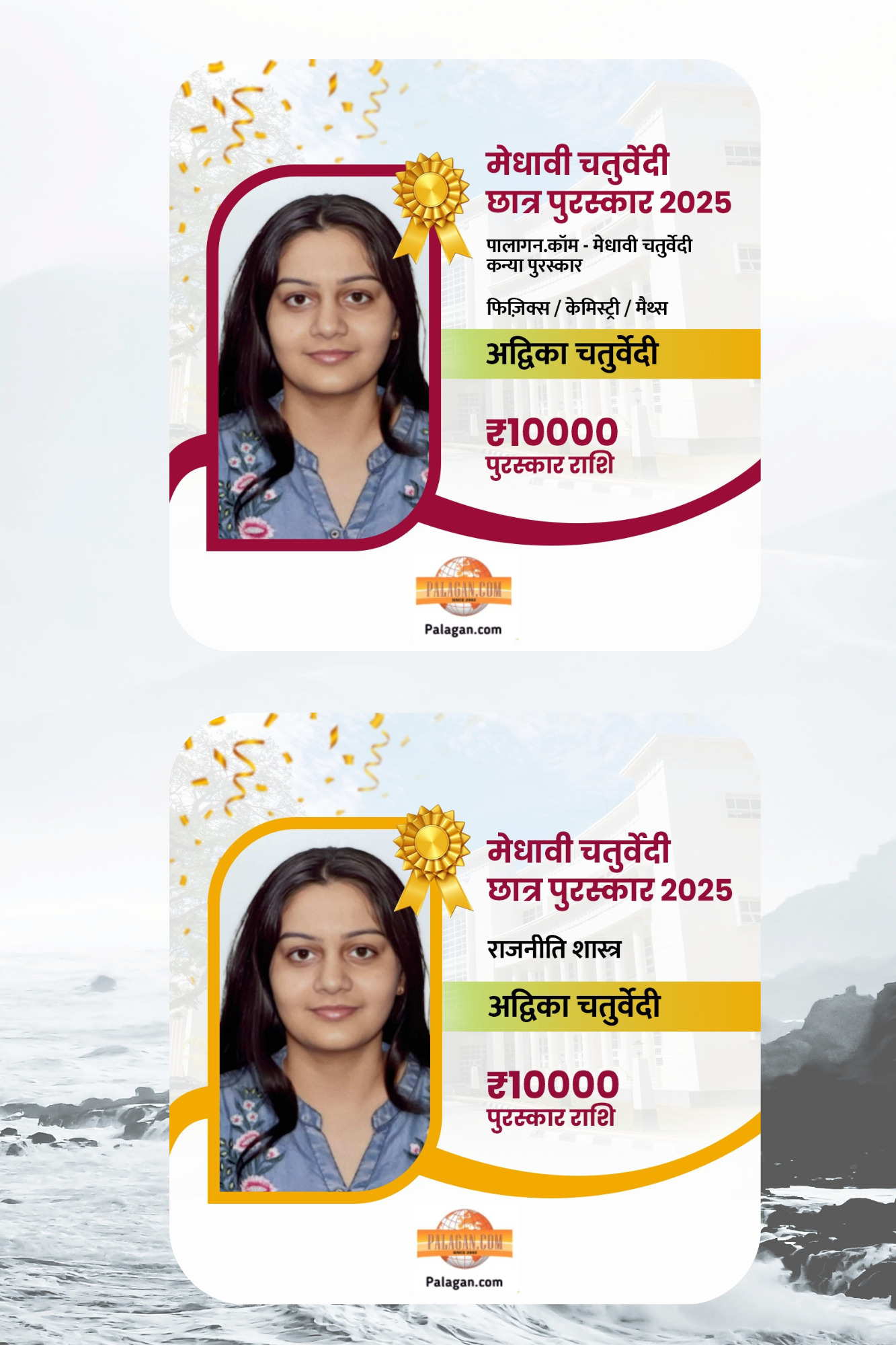
अद्विका चतुर्वेदी पॉलिटिकल साइंस विषय के साथ फिजिक्स केमिस्ट्री मैथ्स ग्रुप में पुरस्कार प्राप्त किया
अद्विका चतुर्वेदी पॉलिटिकल साइंस विषय के साथ फिजिक्स केमिस्ट्री मैथ्स ग्रुप में पुरस्कार प्राप्त किया
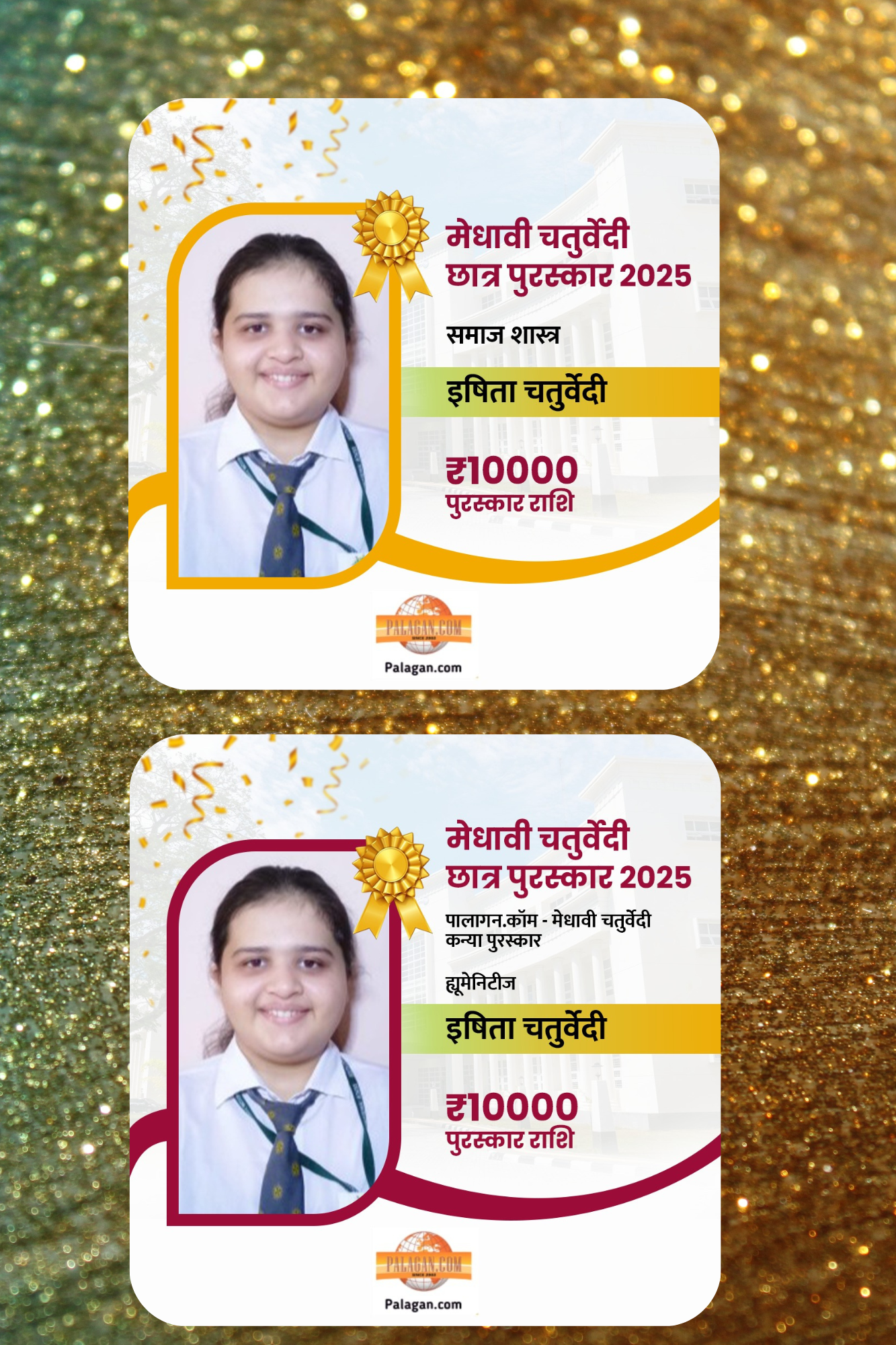
इशिता चतुर्वेदी ने मेधावी चतुर्वेदी छात्र का सोशलॉजी विषय में और ह्यूमैनिटीज विषय पुरस्कार प्राप्त किया
????? ????????? ?? ?????? ????????? ????? ?? ??????? ???? ??? ?? ??????????? ???? ???????? ??????? ????

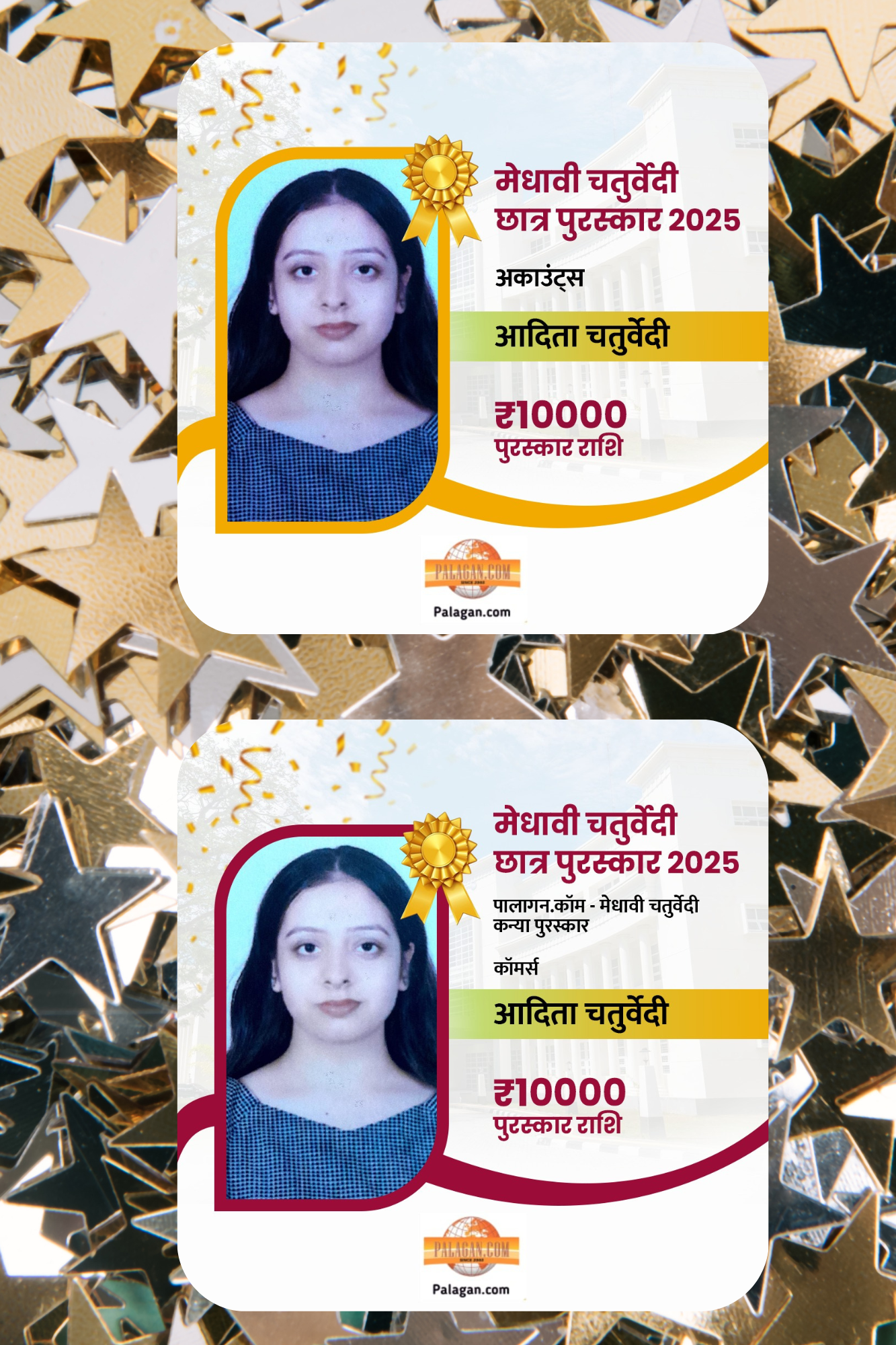
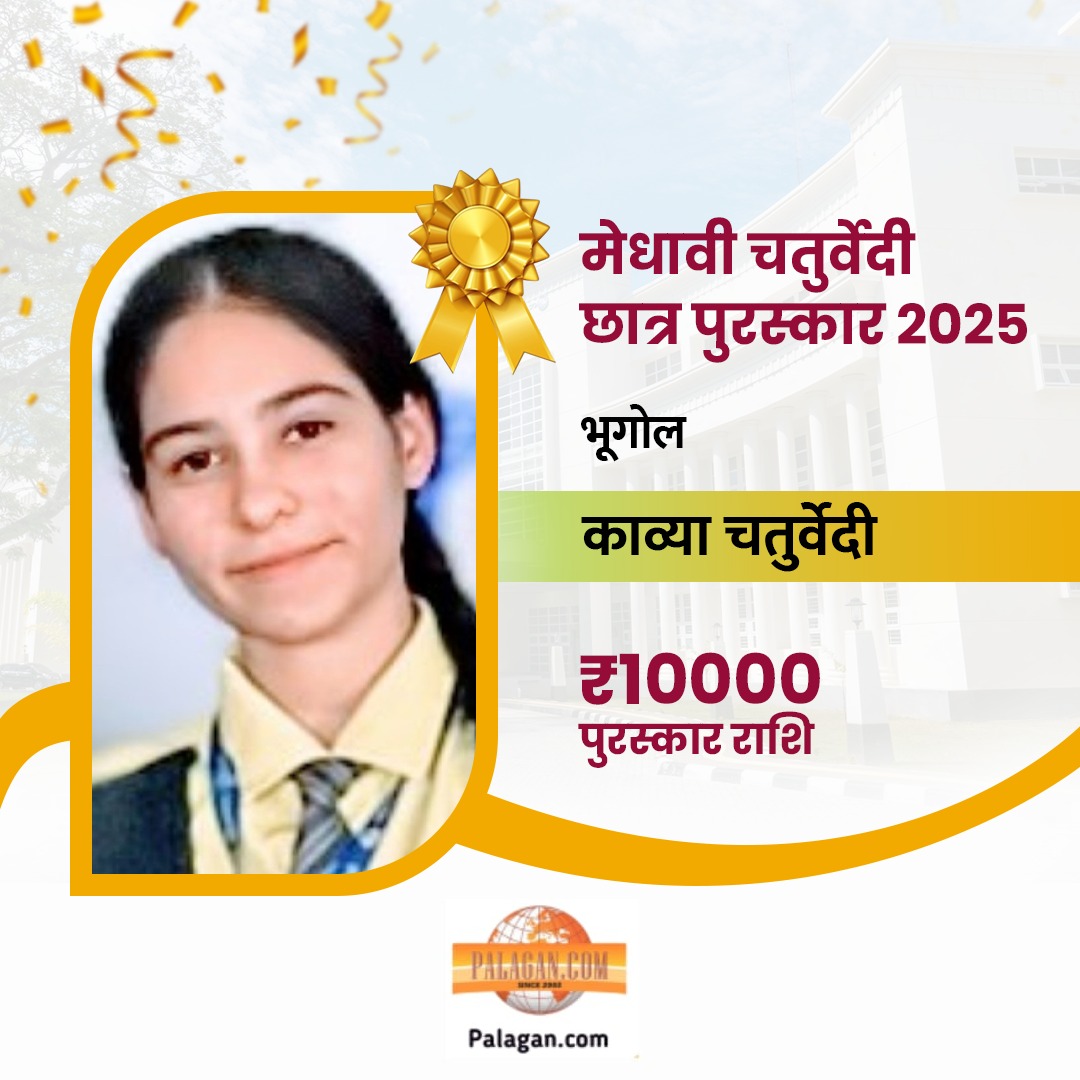
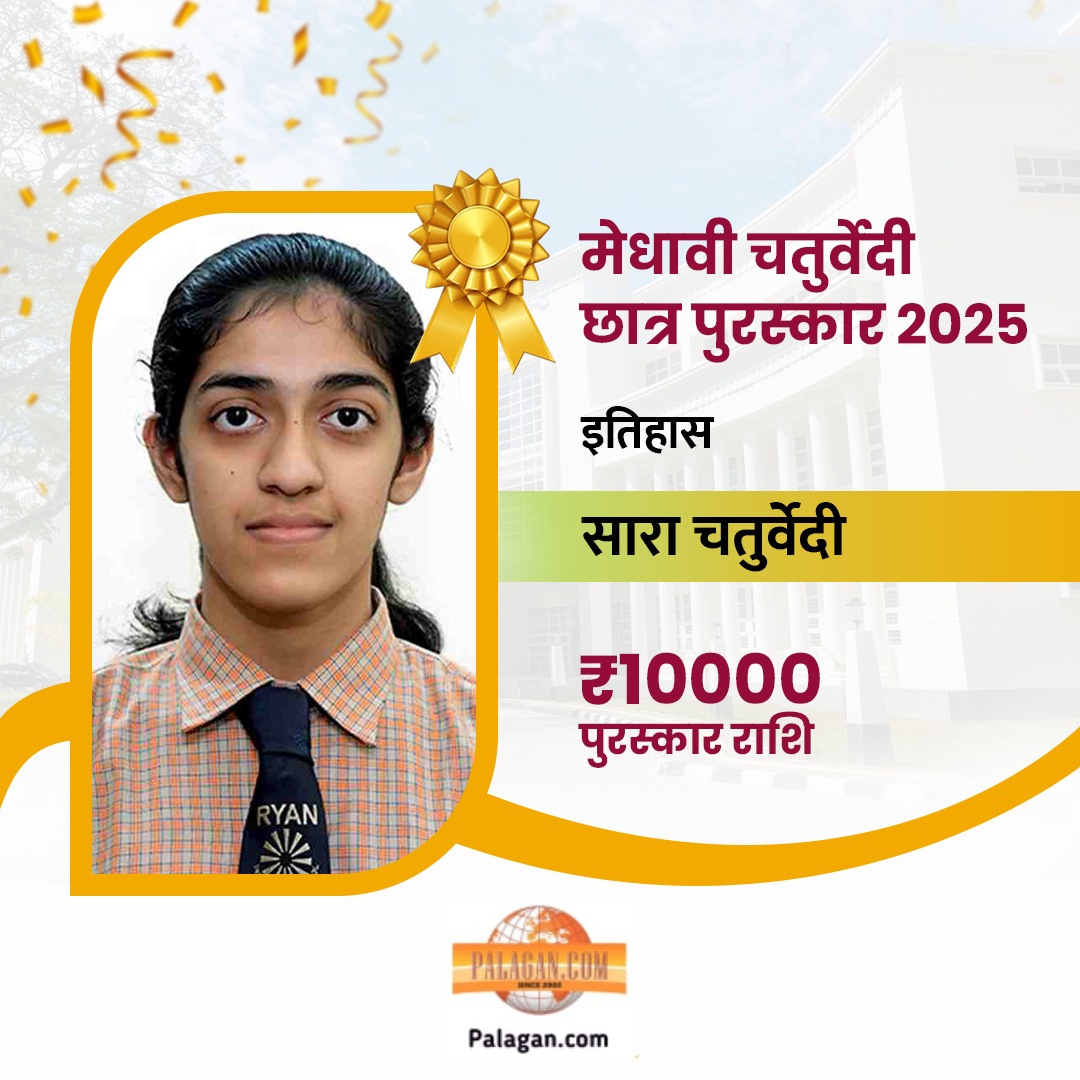
सारा चतुर्वेदी ने चतुर्वेदी मेधावी छात्र का इतिहास विषय का पुरस्कार प्राप्त किया
???? ????????? ?? ????????? ?????? ????? ?? ?????? ???? ?? ???????? ??????? ????
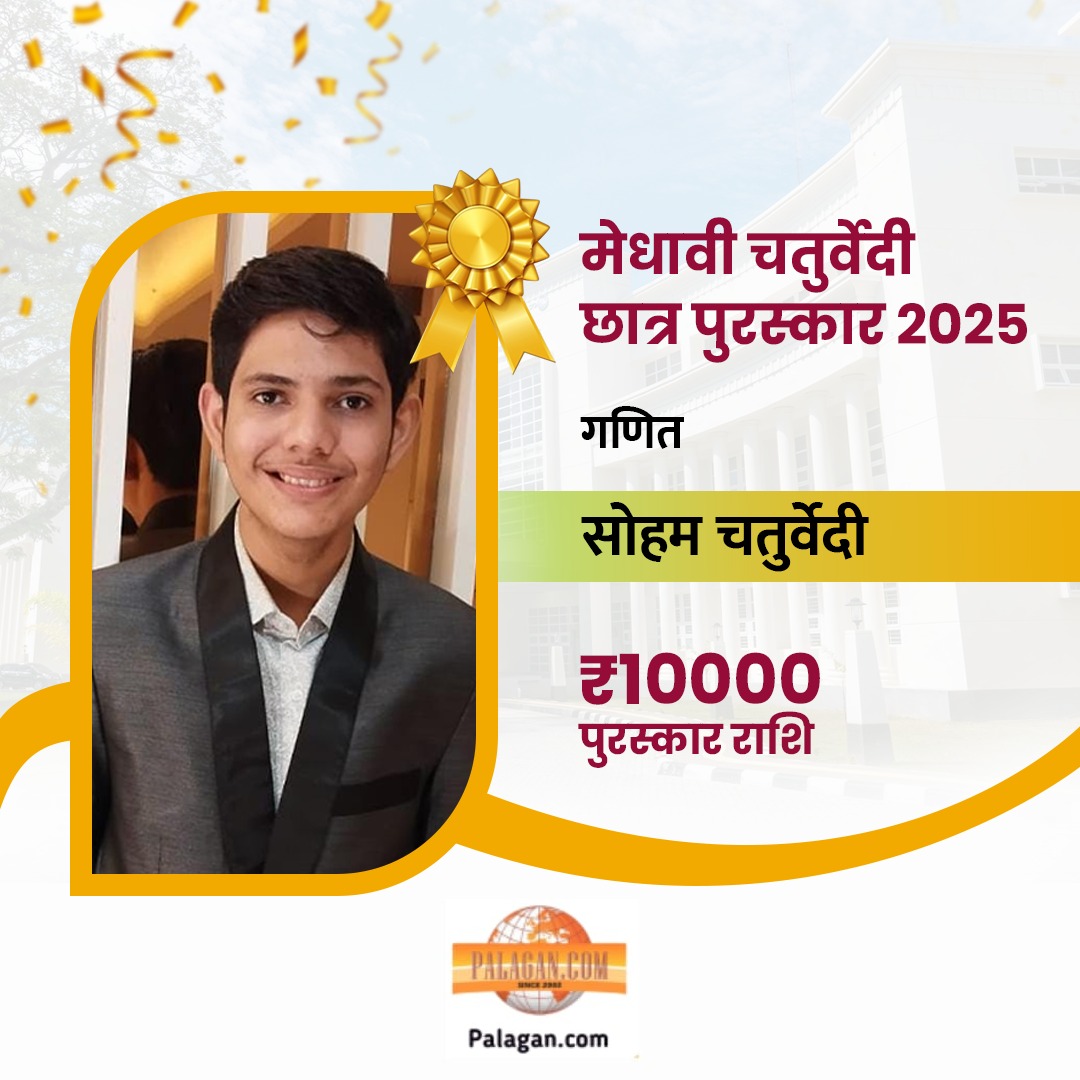
सोहम चतुर्वेदी ने गणित विषय में मेधावी चतुर्वेदी छात्र का पुरस्कार प्राप्त किया
???? ????????? ?? ???? ???? ??? ?????? ????????? ????? ?? ???????? ??????? ????
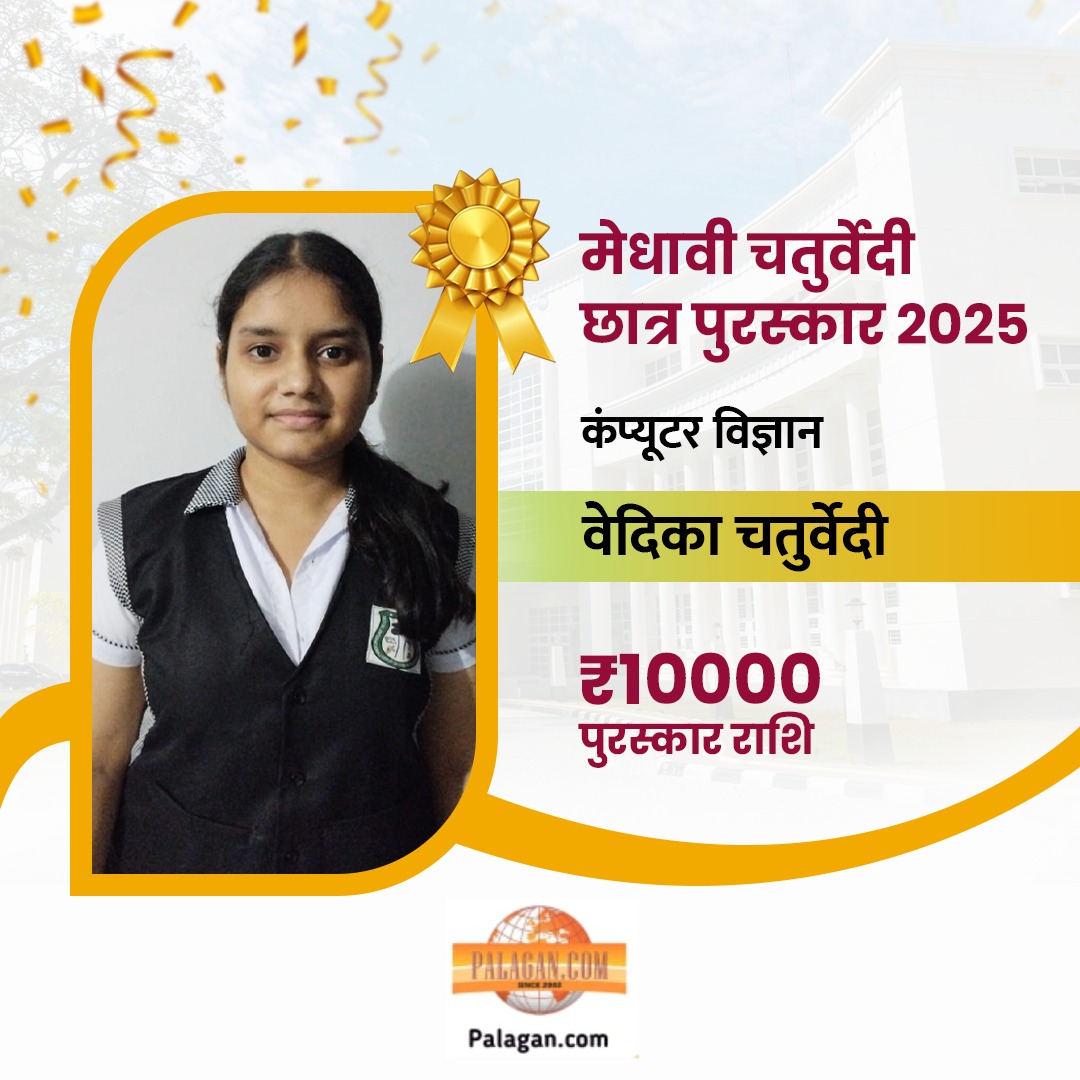
वेदिका को मेधावी चतुर्वेदी छात्र का कंप्यूटर साइंस विषय का पुरस्कार प्राप्त हुआ
?????? ?? ?????? ????????? ????? ?? ???????? ????? ???? ?? ???????? ??????? ???
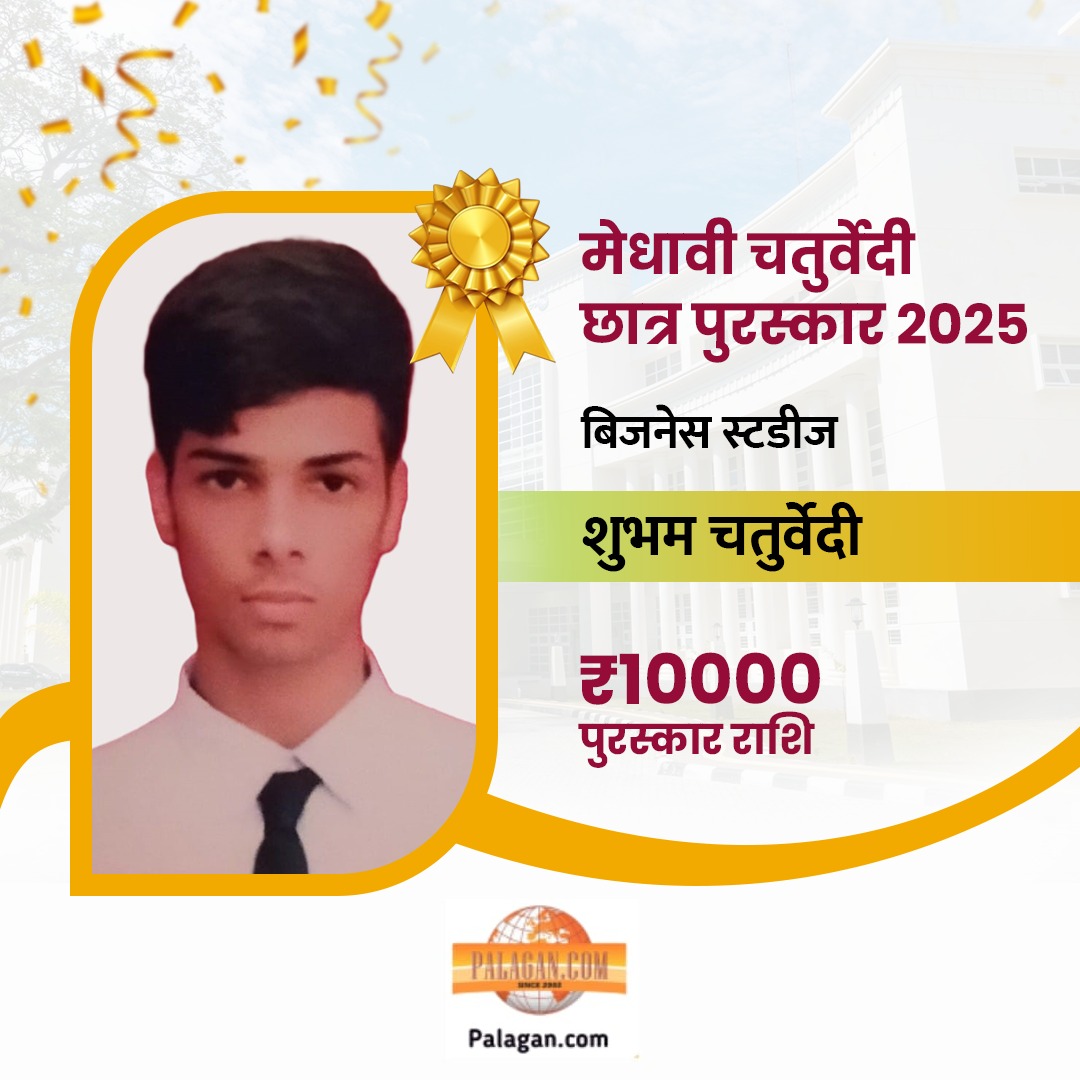
शुभम चतुर्वेदी ने चतुर्वेदी मेधावी छात्र का बिजनेस स्टडीज विषय का पुरस्कार प्राप्त किया
???? ????????? ?? ????????? ?????? ????? ?? ?????? ?????? ???? ?? ???????? ??????? ????
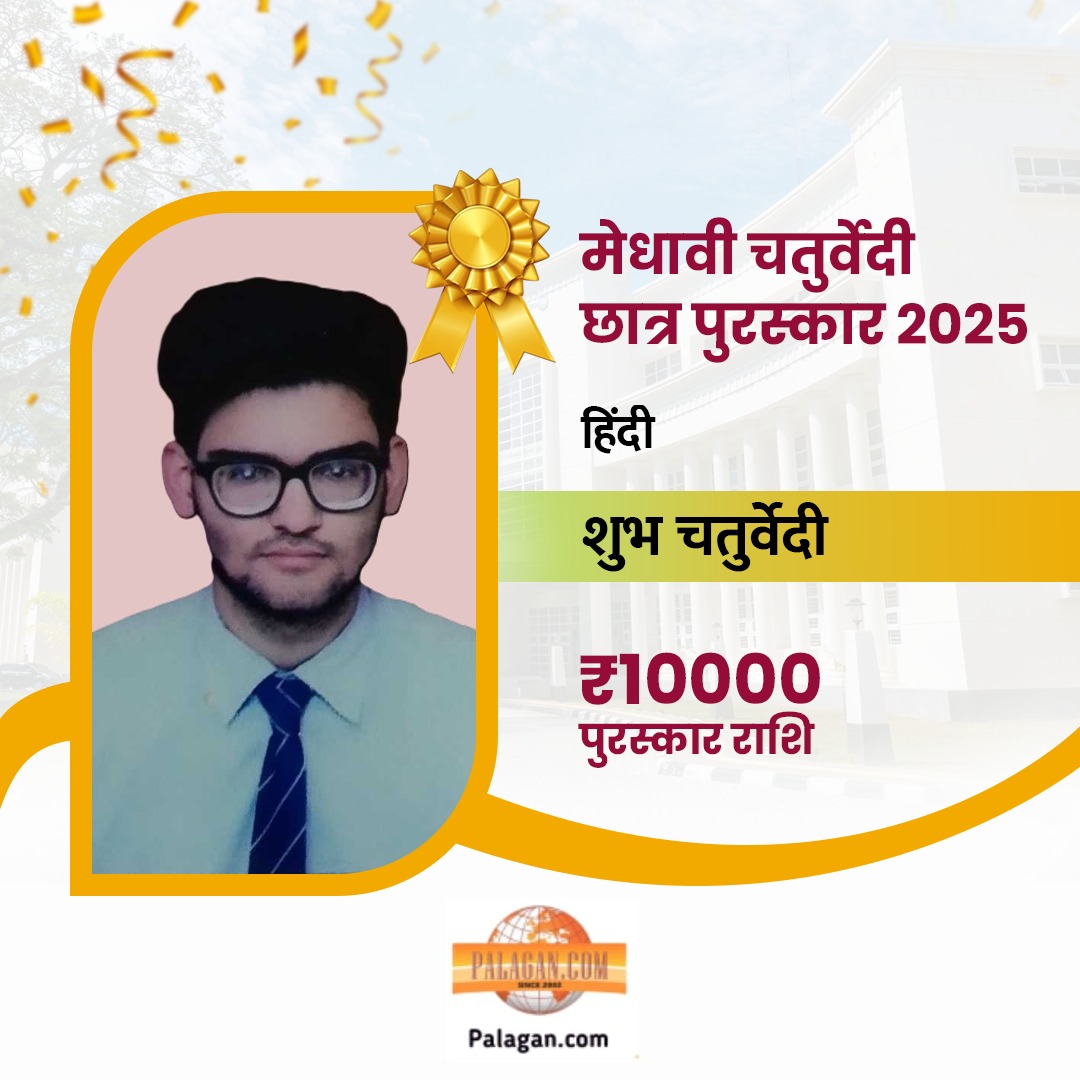
शुभ चतुर्वेदी ने चतुर्वेदी मेधावी छात्र का हिंदी विषय का पुरस्कार प्राप्त किया
??? ????????? ?? ????????? ?????? ????? ?? ????? ???? ?? ???????? ??????? ????

ध्रुव चतुर्वेदी ने इंग्लिश विषय में चतुर्वेदी मेधावी छात्र का पुरस्कार प्राप्त किया
????? ????????? ?? ??????? ???? ??? ????????? ?????? ????? ?? ???????? ??????? ????
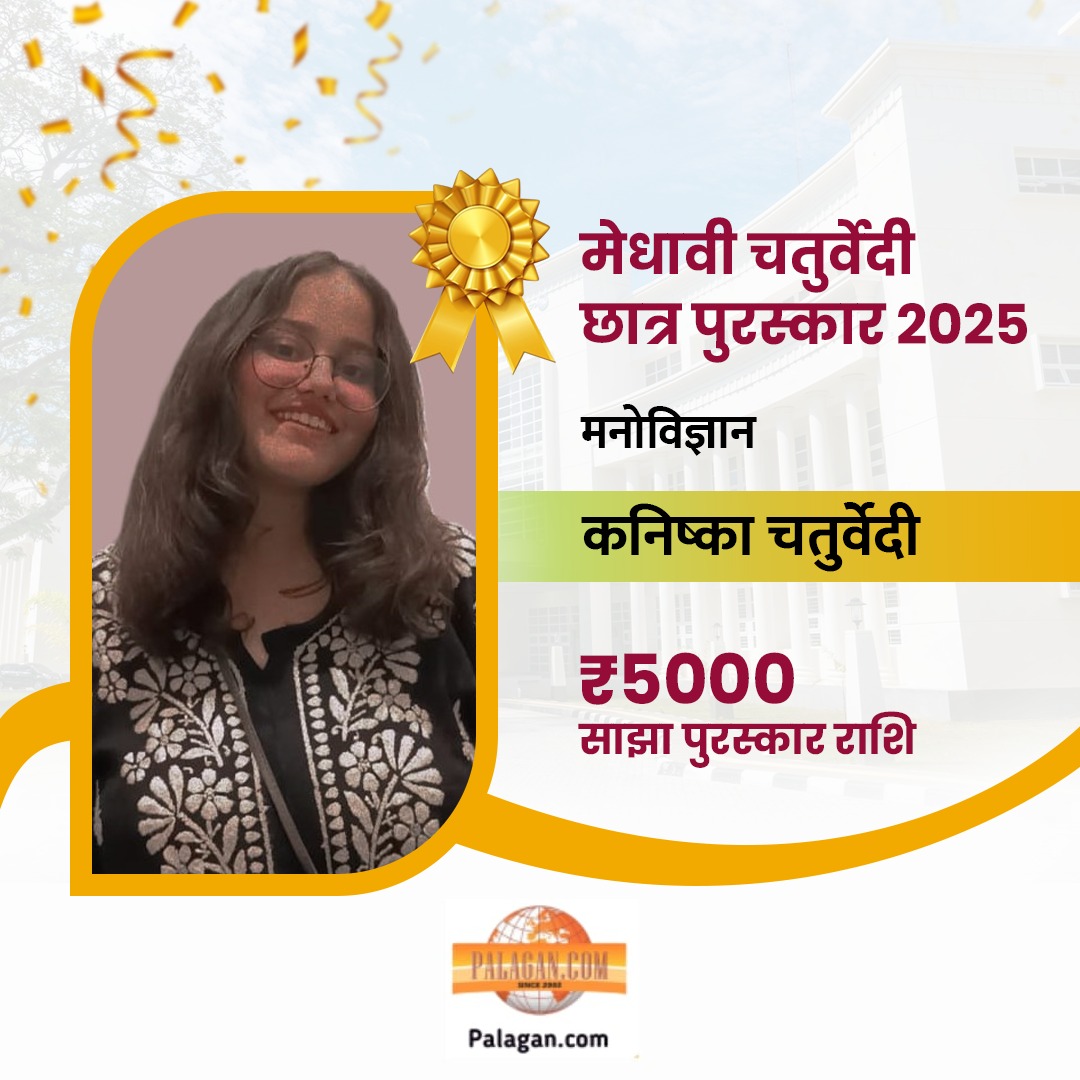
कनिष्का चतुर्वेदी ने मनोविज्ञान विषय में संयुक्त पुरस्कार प्राप्त किया
??????? ????????? ?? ?????????? ???? ??? ??????? ???????? ??????? ????
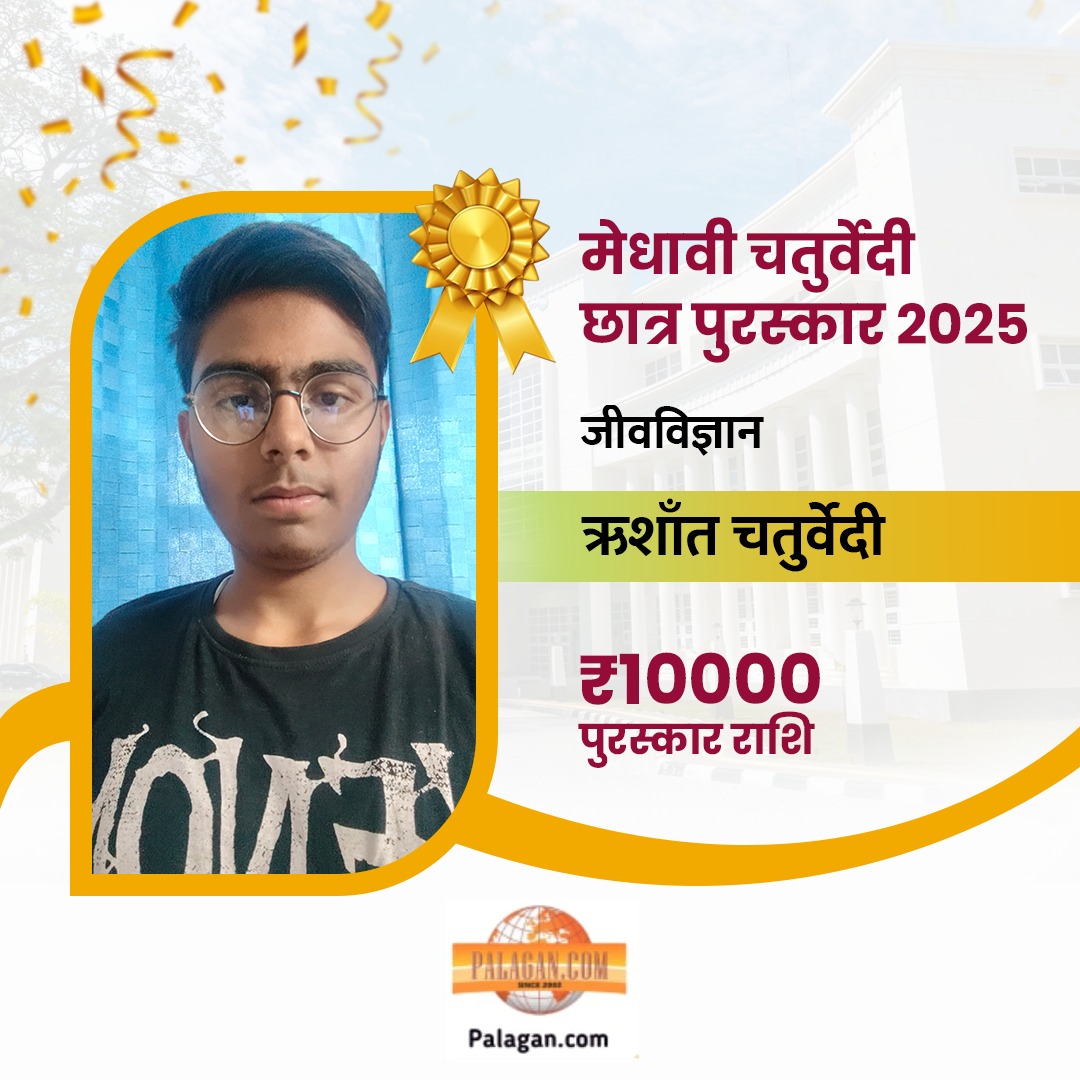
ऋशांत चतुर्वेदी ने बायोलॉजी सब्जेक्ट पुरस्कार प्राप्त किया
????? ????????? ?? ???????? ???????? ???????? ??????? ????
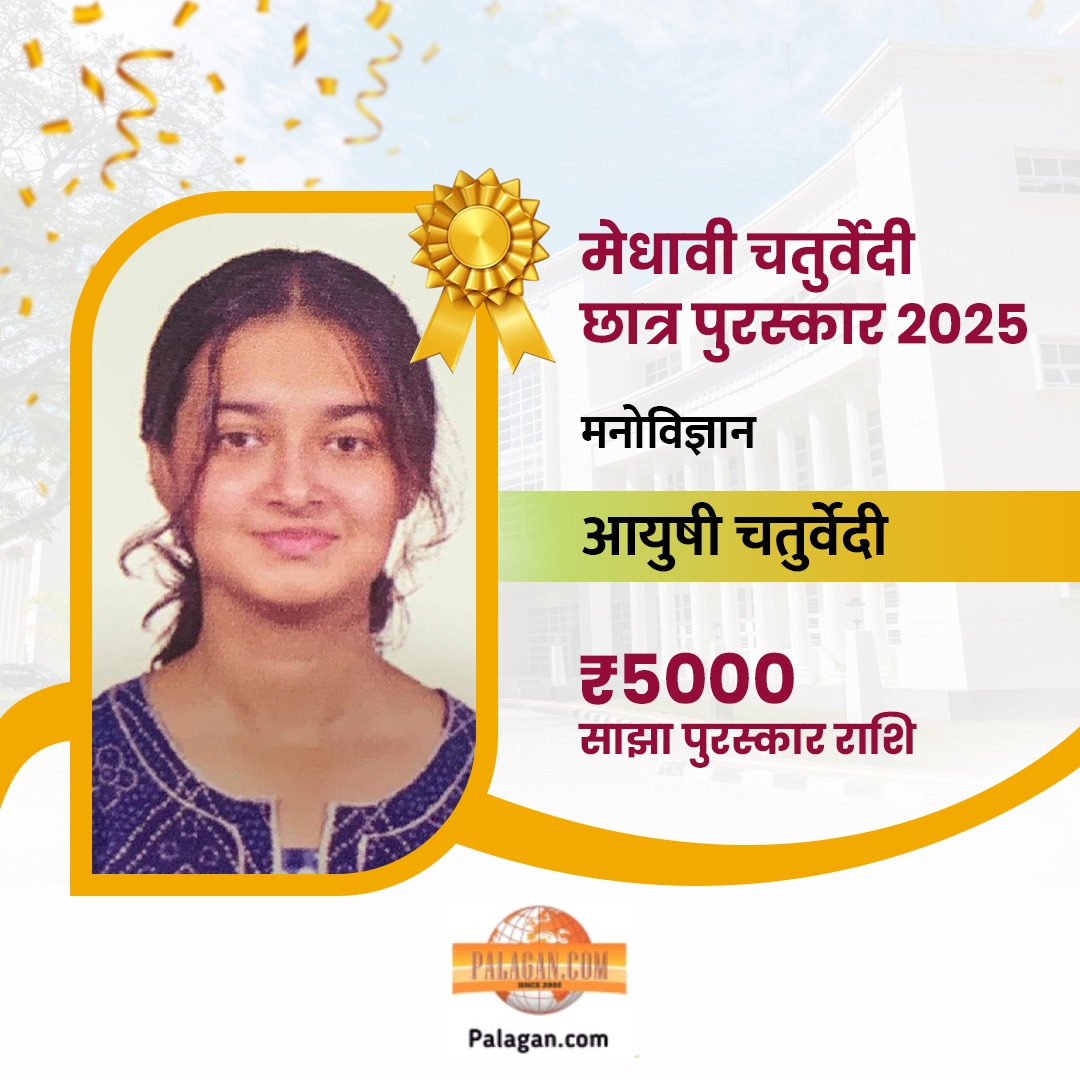
आयुषी चतुर्वेदी ने मनोविज्ञान विषय में संयुक्त रूप से अधिकतम अंक प्राप्त करके पुरस्कार प्राप्त किया
????? ????????? ?? ?????????? ???? ??? ??????? ??? ?? ?????? ??? ??????? ???? ???????? ??????? ????
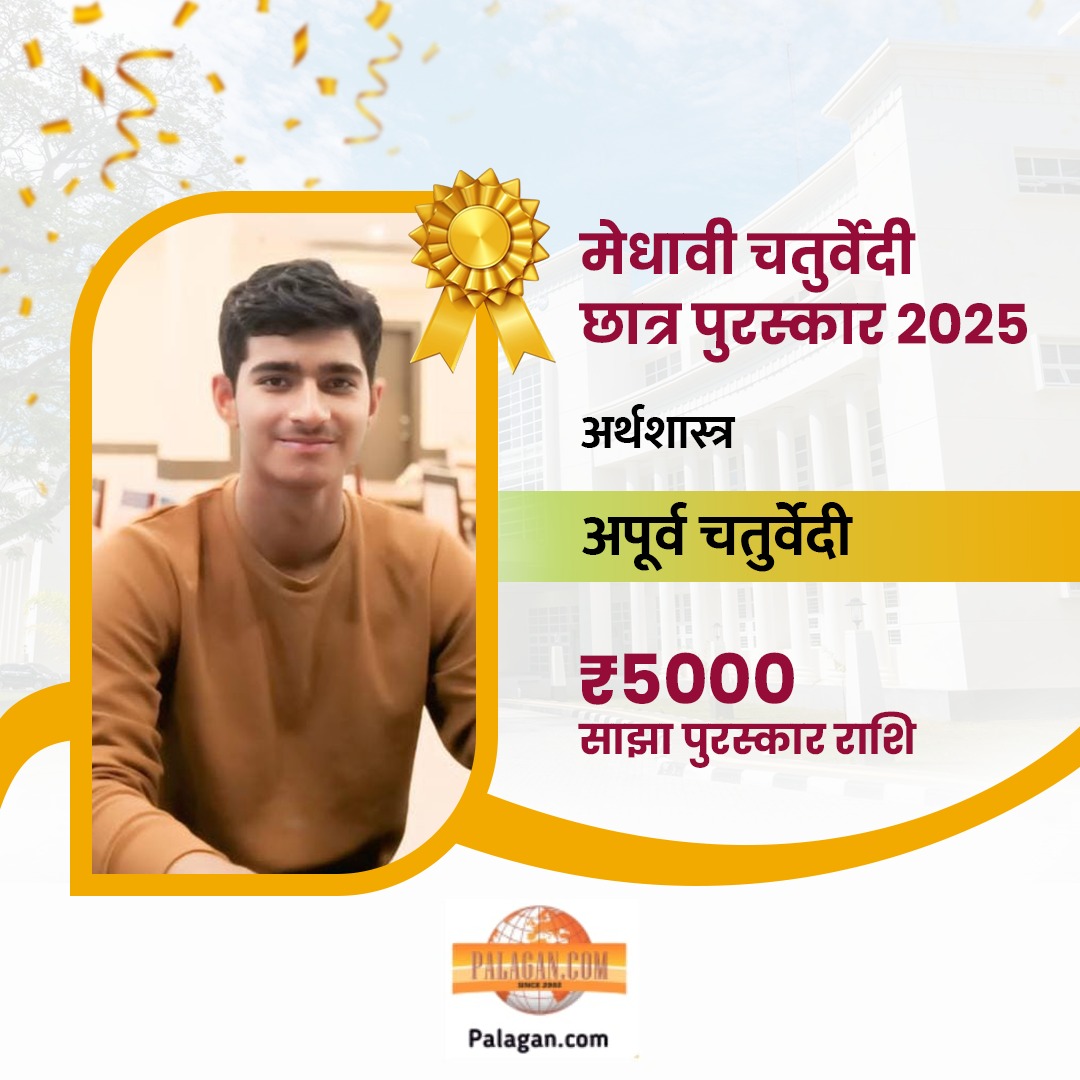
अपूर्व चतुर्वेदी को अर्थशास्त्र विषय में संयुक्त रूप से अधिकतम अंक प्राप्त करने पर पुरस्कार
?????? ????????? ?? ??????????? ???? ??? ??????? ??? ?? ?????? ??? ??????? ???? ?? ????????
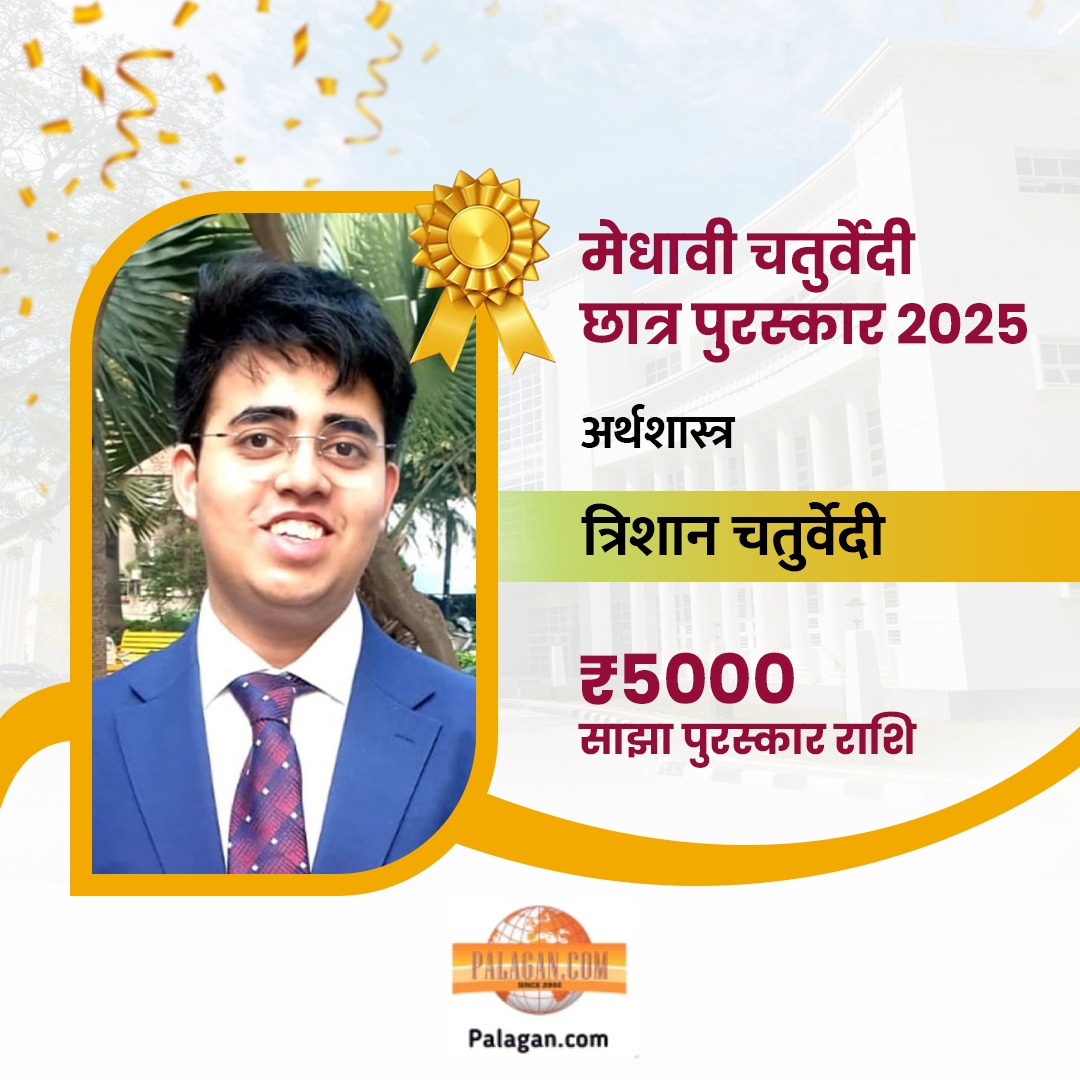
त्रिशान चतुर्वेदी को इकोनॉमिक्स में अधिकतम अंक प्राप्त करने पर संयुक्त पुरस्कार
??????? ????????? ?? ?????????? ??? ?????? ??? ??????? ???? ?? ??????? ????????
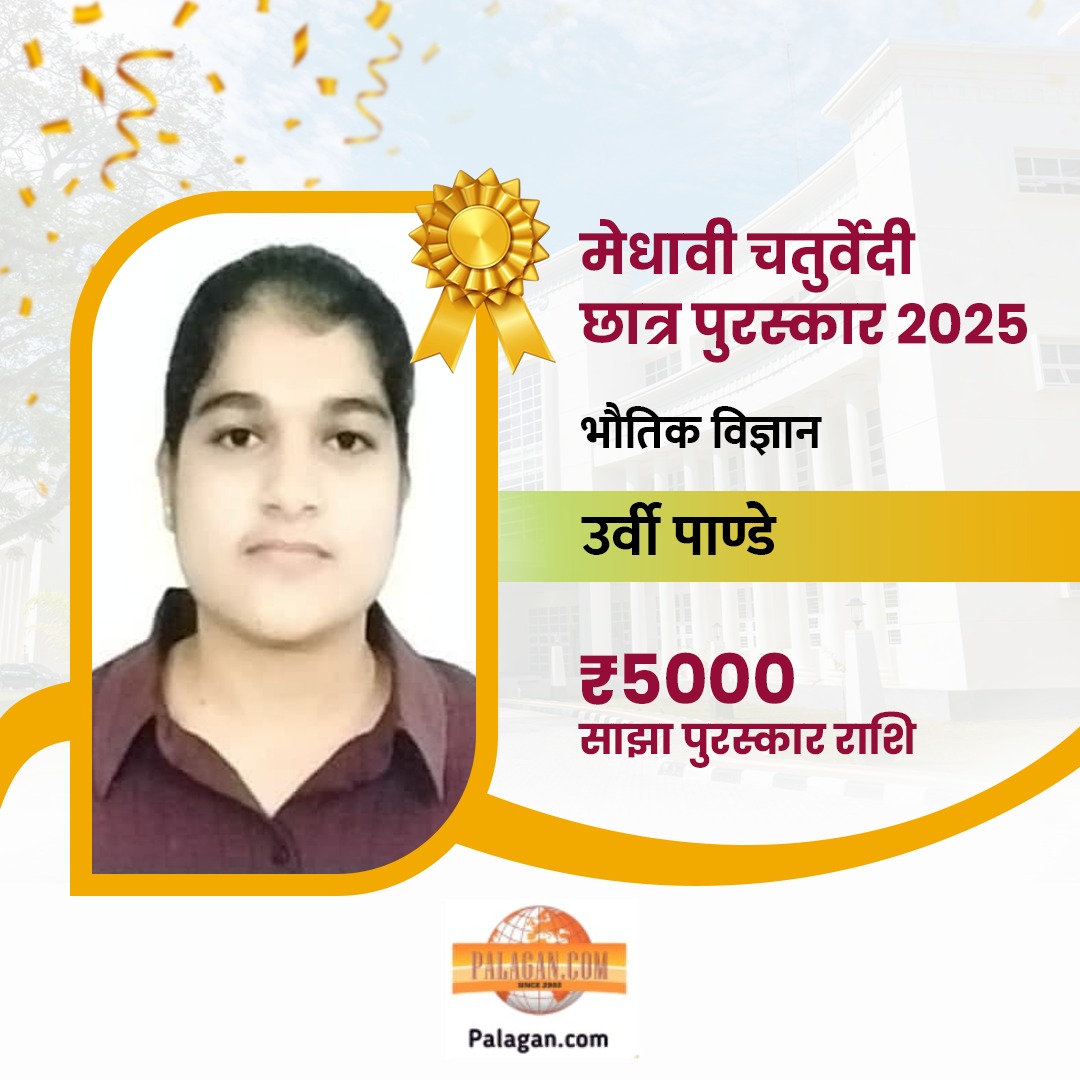
कुमारी उर्वी पांडे को मेधावी छात्र का फिजिक्स विषय का संयुक्त पुरस्कार
?????? ????? ????? ?? ?????? ????? ?? ??????? ???? ?? ??????? ????????
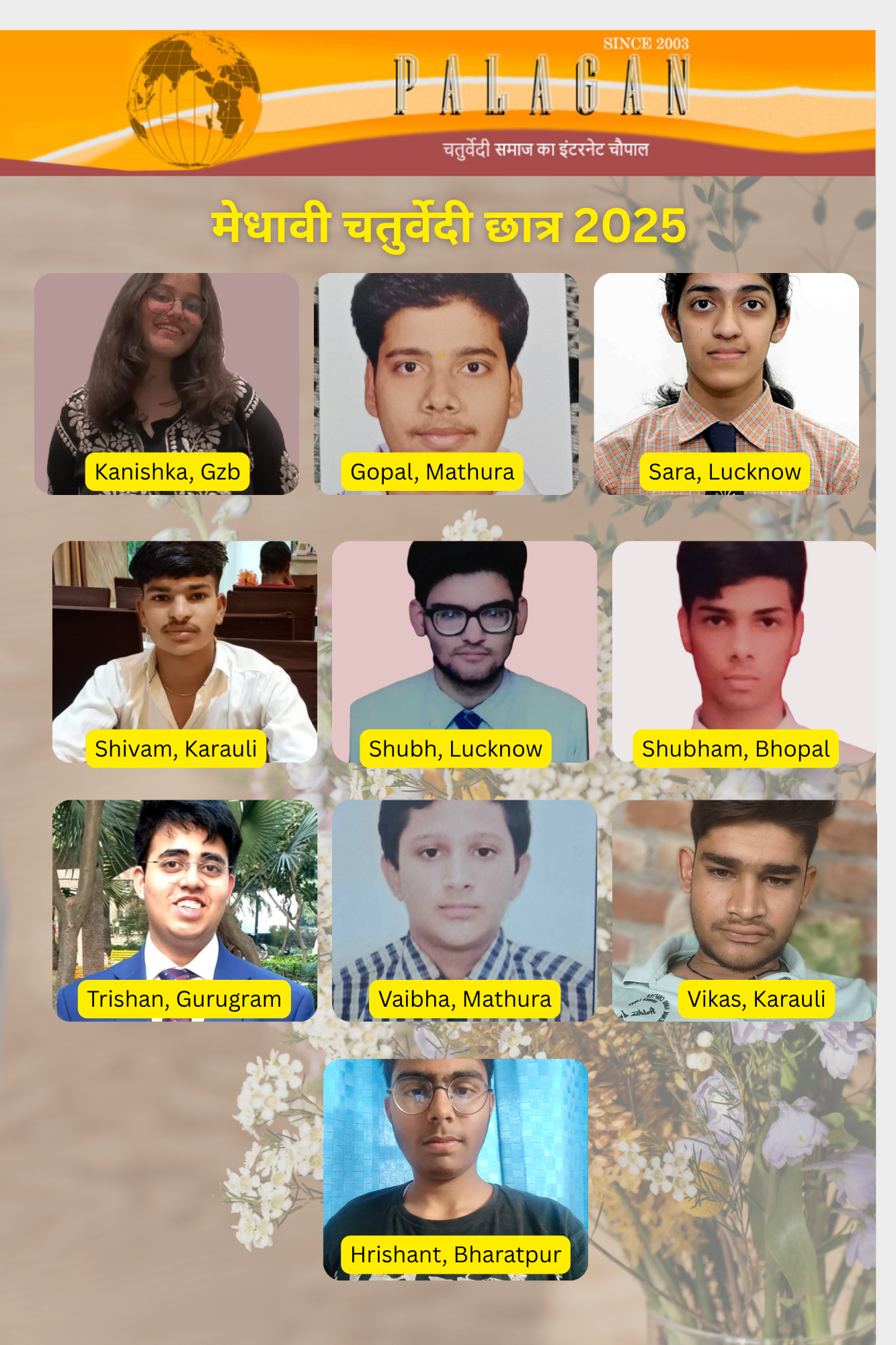
Participants of Medhavi Chhatr 2025 - III
Participants of Medhavi Chhatr 2025 - III
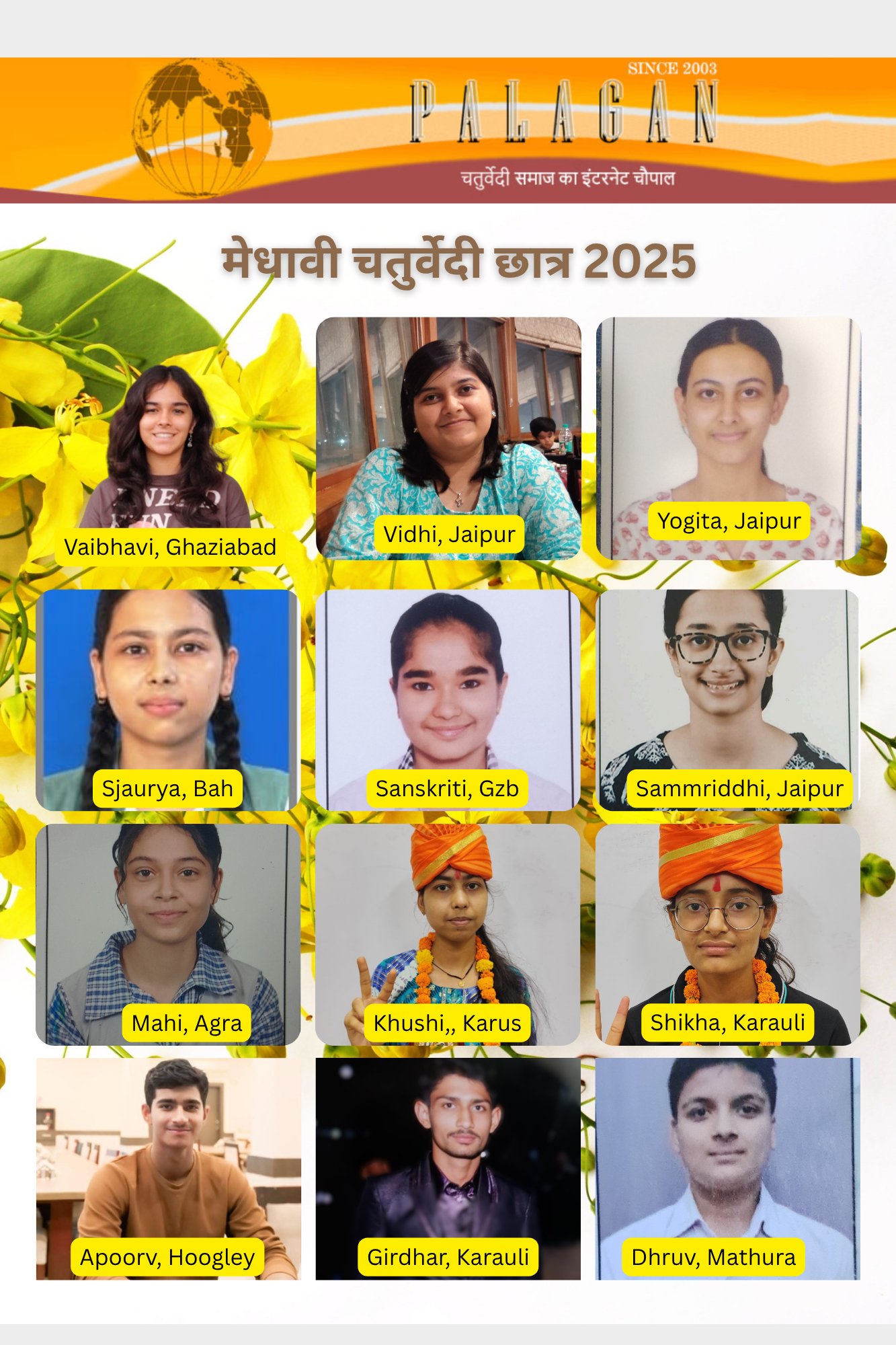
Participants of Medhavi Chhatr 2025 -ii
Participants of Medhavi Chhatr 2025 -ii
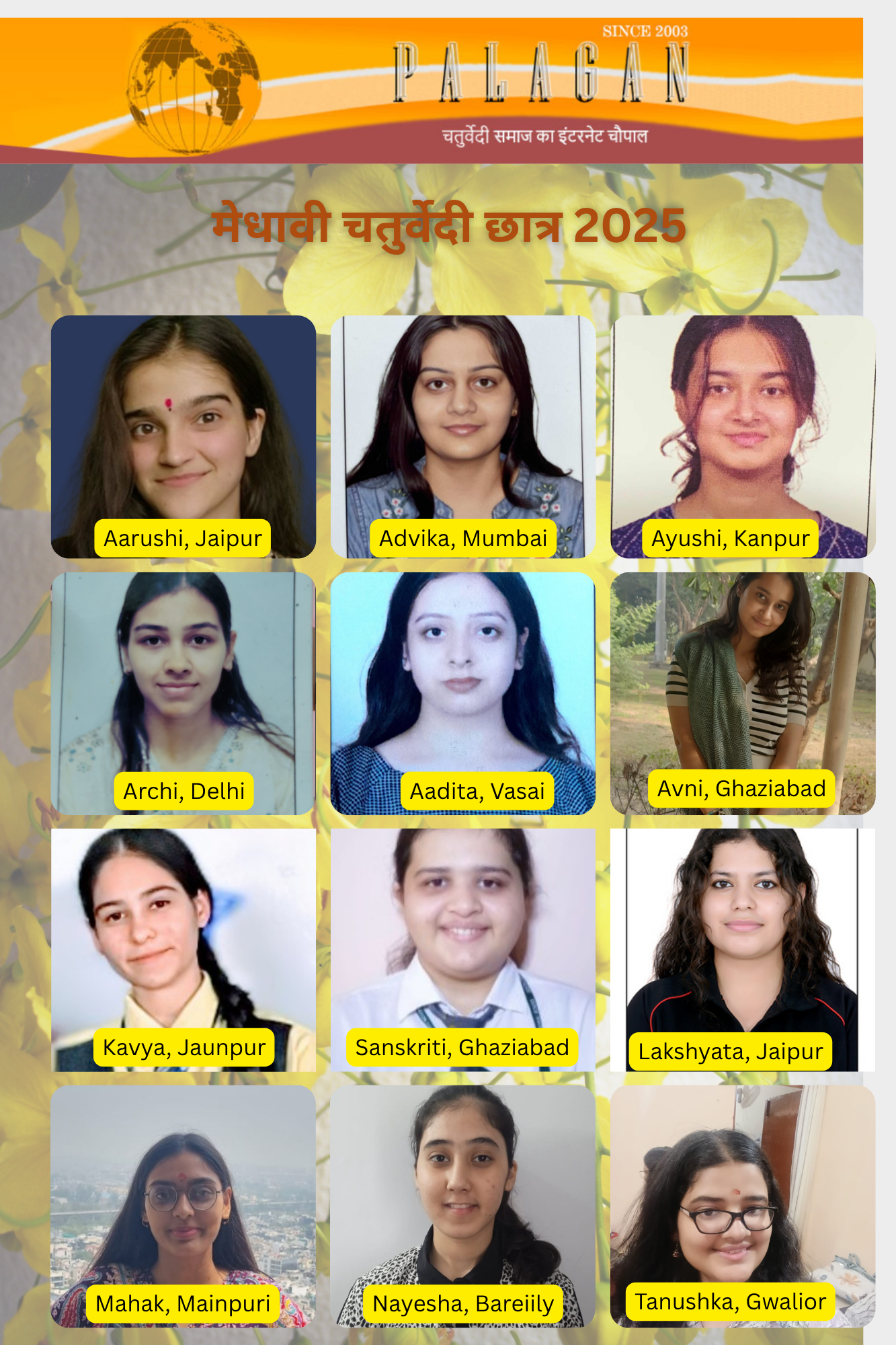
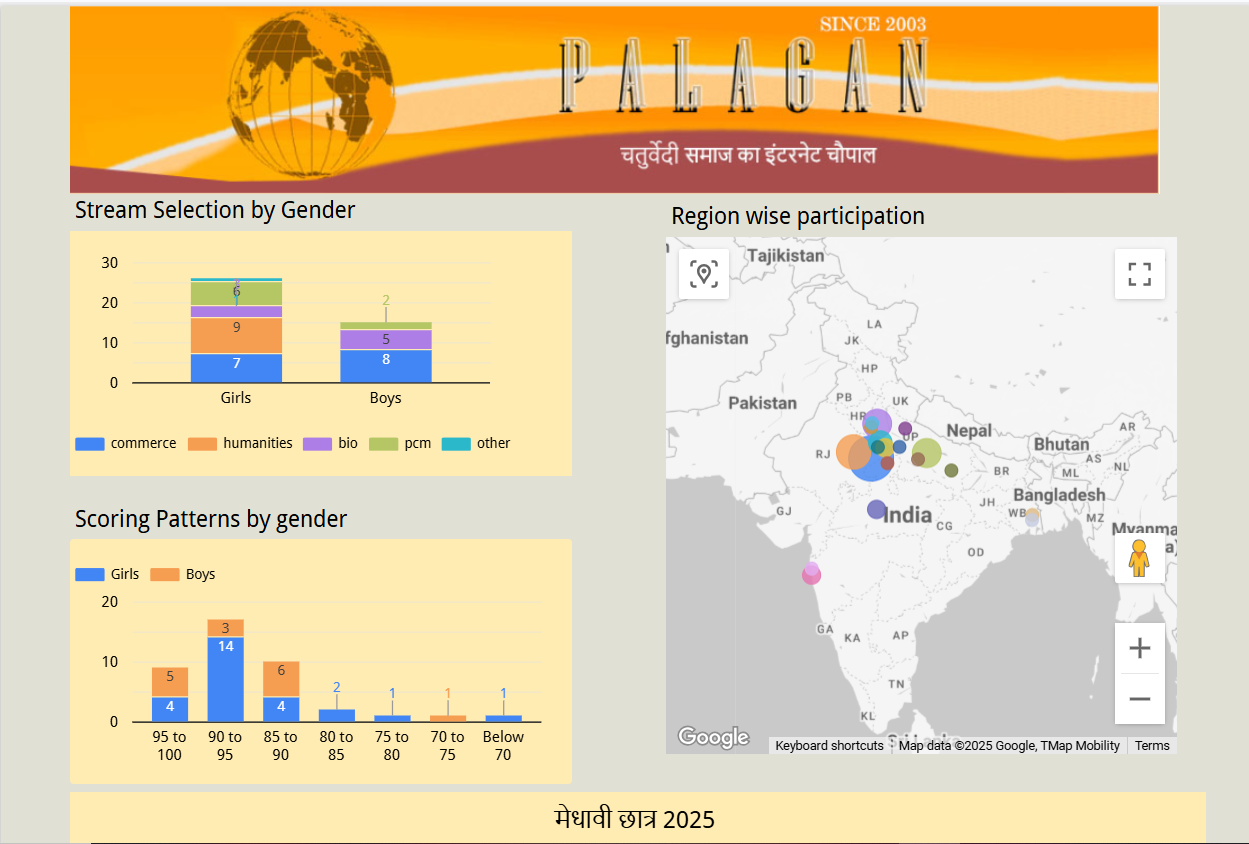
मेधावी चतुर्वेदी छात्र-छात्राएं – 2025 बोर्ड परीक्षा में उत्कृष्ट प्रदर्शन
?????? ????????? ?????-????????
.png)
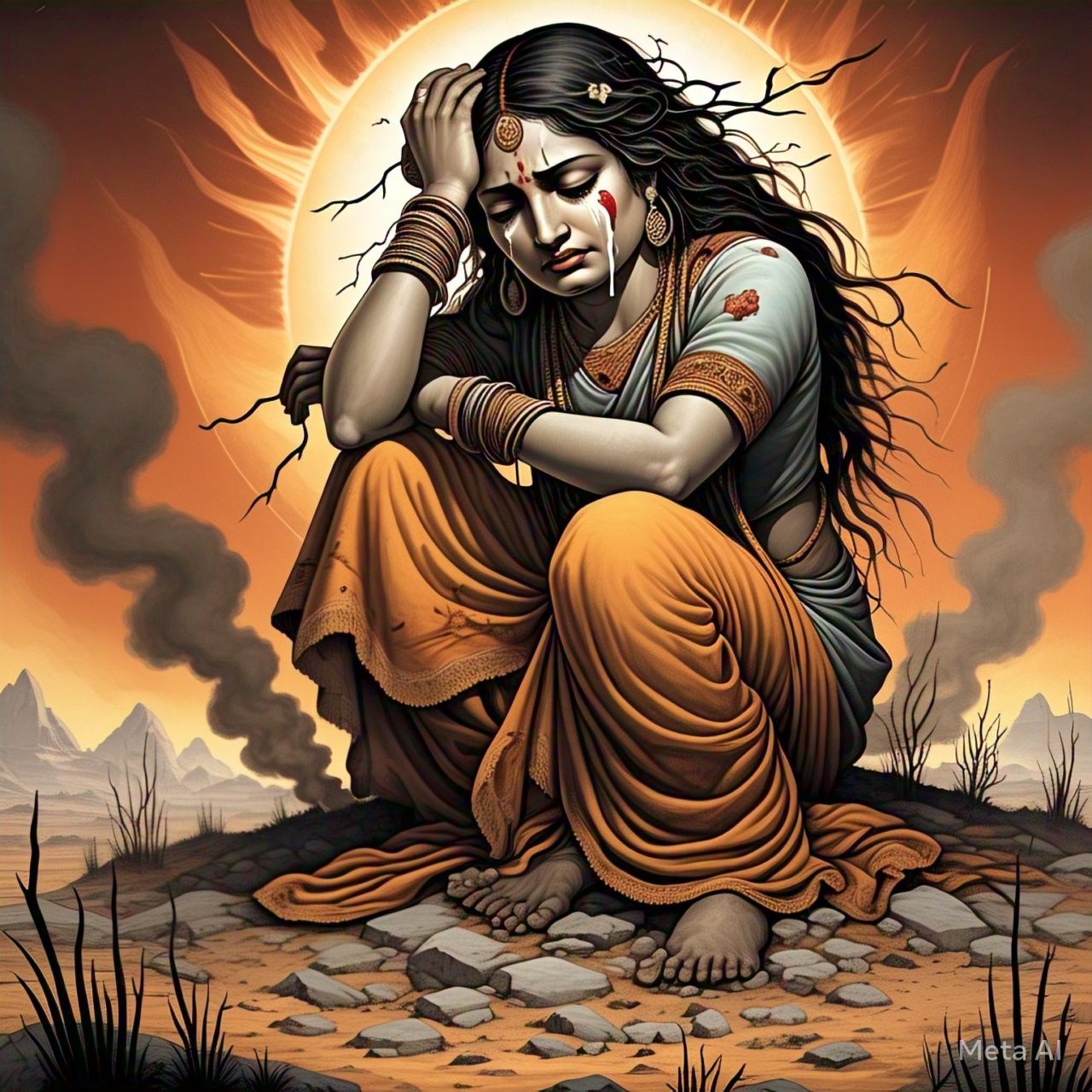
युवा लेखन सम्मान 2025
???? ???? ?????? 2025
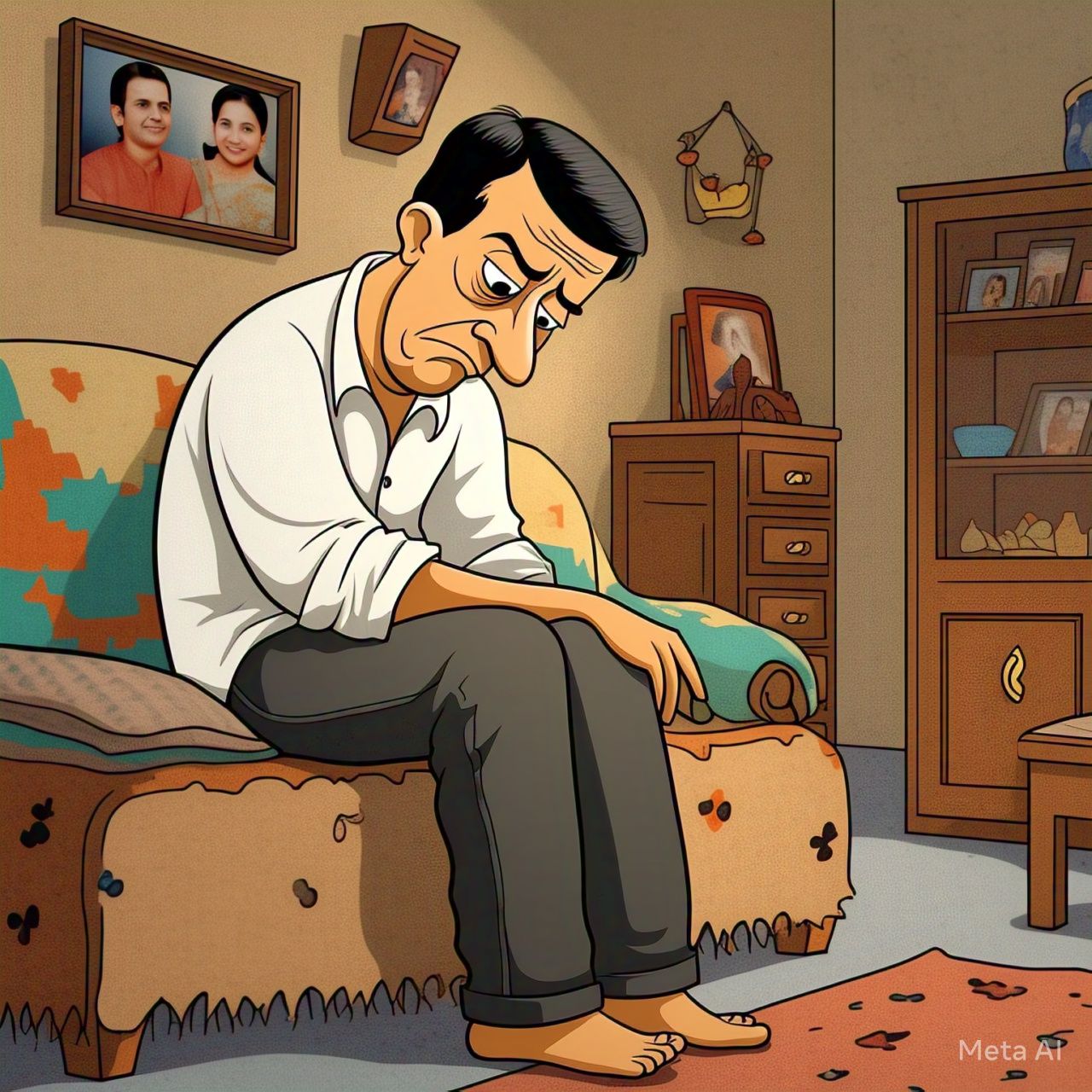
Aviation Security Challenges and Strategy : a Talk with Shri Munindra N Chaturvedi
Aviation Security Challenges and Strategy : a Talk with Shri Munindra N Chaturvedi
.jpg)
.jpg)
.jpg)
.jpg)
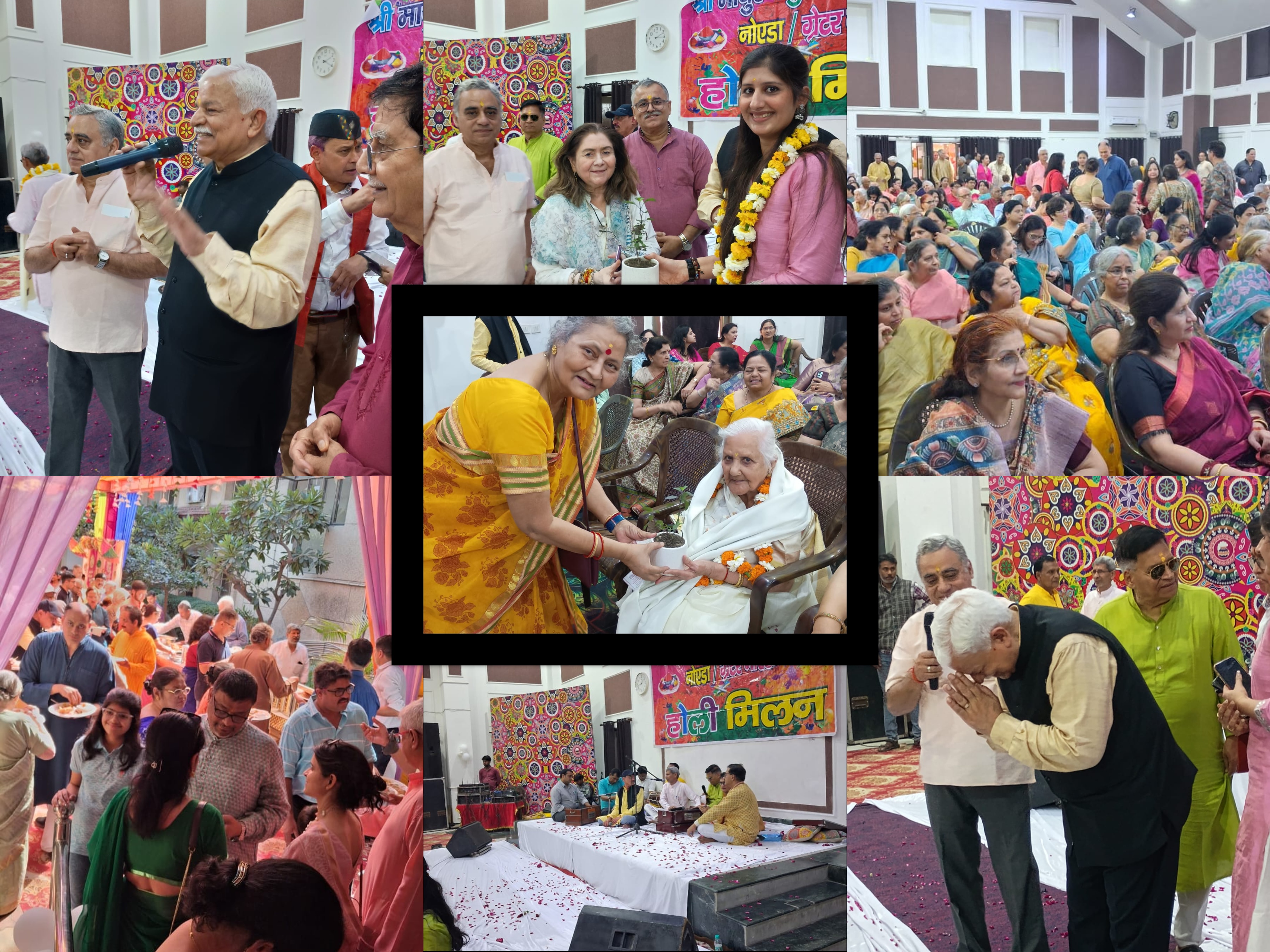
नोएडा शाखा सभा होली मिलन 2025
????? ???? ??? ???? ???? 2025
.jpg)

.jpeg)
श्री माथुर चतुर्वेदी शाखा सभा दिल्ली का होली मिलन 2025
???? ????? ????????? ???? ??? ?????? ?? ???? ???? 2025

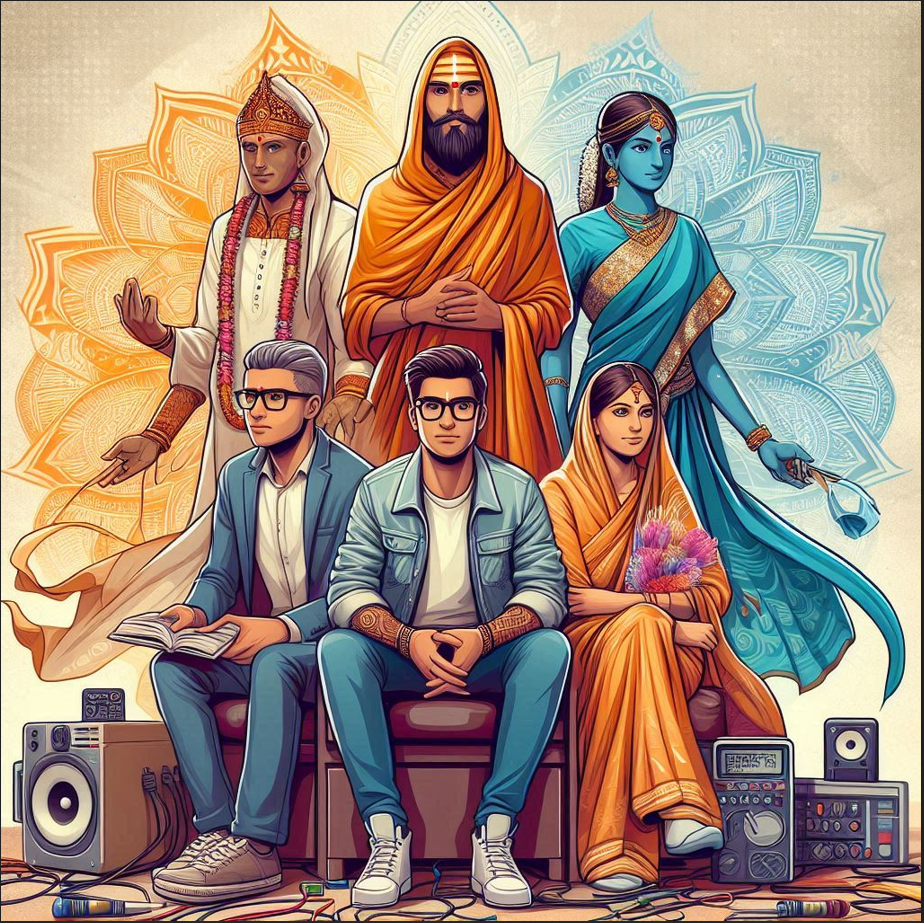
Palagan Dialogues : Lokmanyu Chaturvedi , eSports Athelete
"Palagan Dialogues: In-depth Discussion with Lokmanyu Chaturvedi." Features an in-depth conversation with Lokmanyu Chaturvedi, a FIFA Esports athlete, coach of the Indian eNational Team, and FIFA Esports commentator.
Sahitya Chaturvedi Praises Union Budget 2025
Sahitya Chaturvedi, Secretary General of the Indian Business and Professional Council Dubai, said,
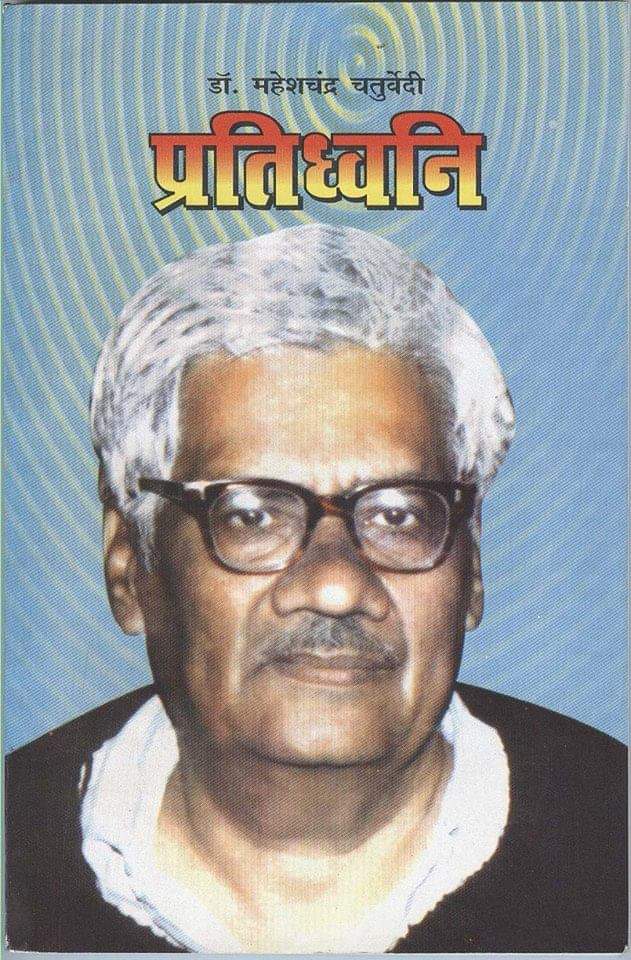


Medical Astrology : A discussion with Mr Pradeep Chaturvedi
Medical Astrology : A discussion with Mr Pradeep Chaturvedi
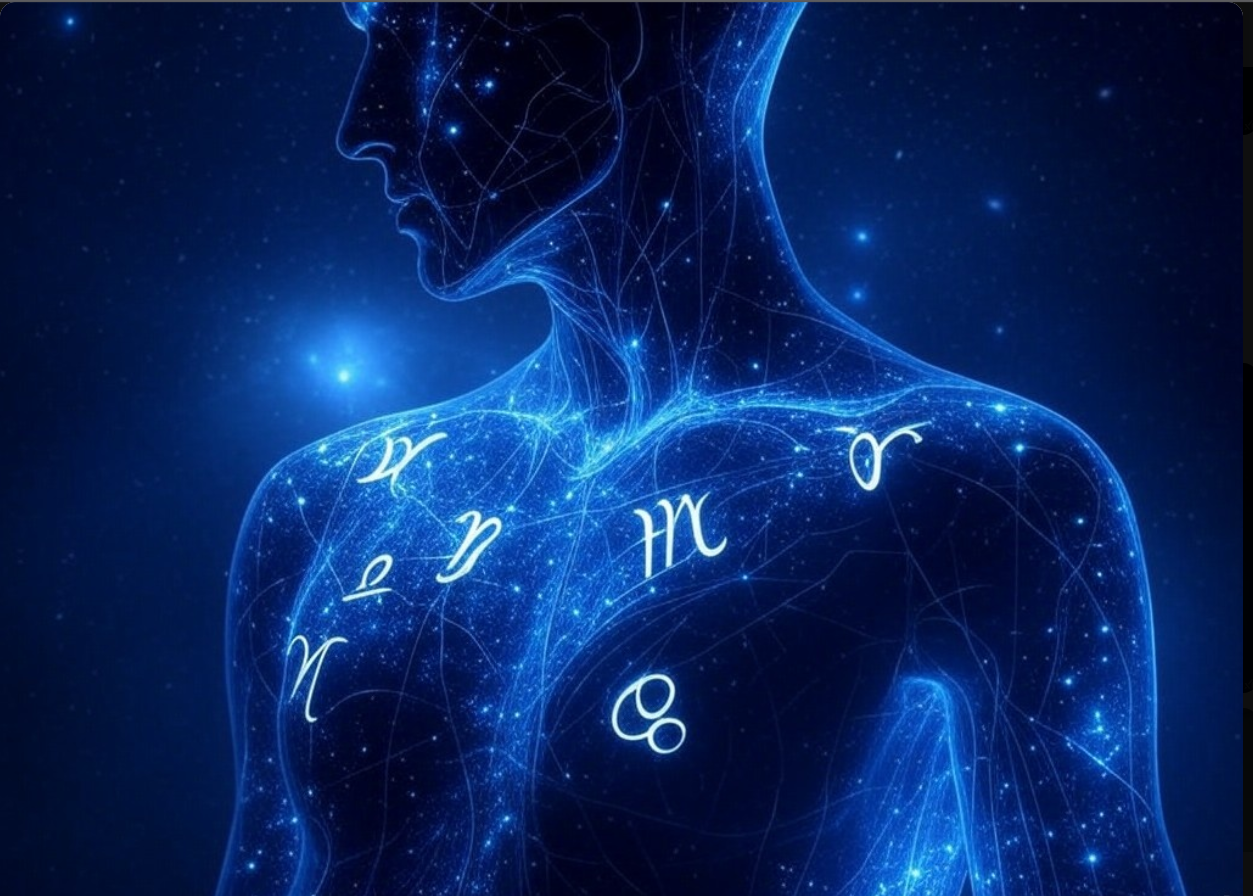

Digital Transformation in Manufacturing: Integrating Data, Security, and Software for Industry 4.0
In many manufacturing environments, legacy systems and machinery operate without the ability to generate or utilize digital data. This "data gap" limits visibility into operations, constraining the ability to optimize processes and respond dynamically to market demands.
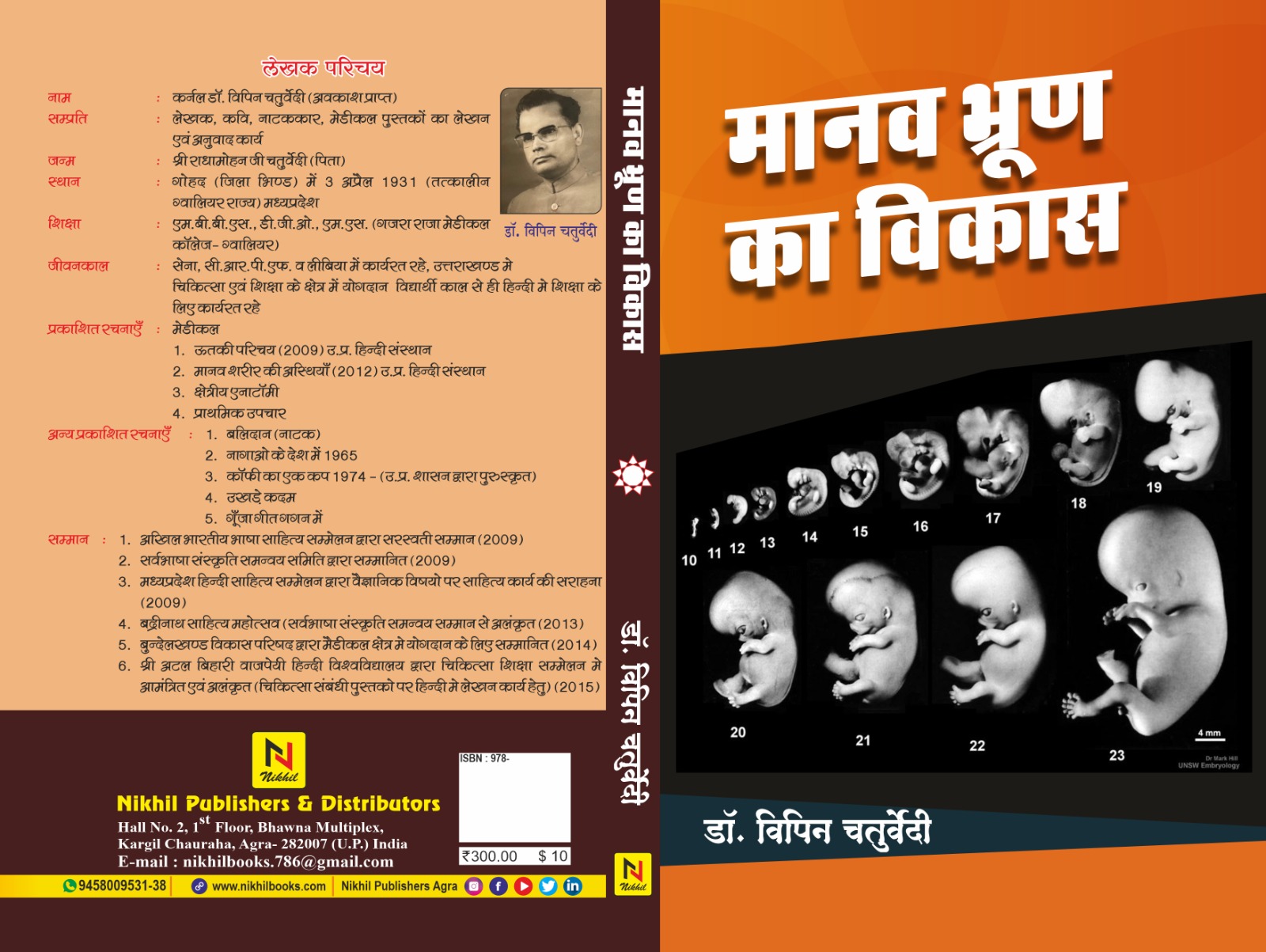
स्व. डॉ कर्नल विपिन चतुर्वेदी की चिकित्सा विज्ञान पर हिन्दी में लिखी पाठ्य पुस्तक का प्रकाशन
???. ?? ????? ????? ????????? ?? ???????? ??????? ?? ?????? ??? ????
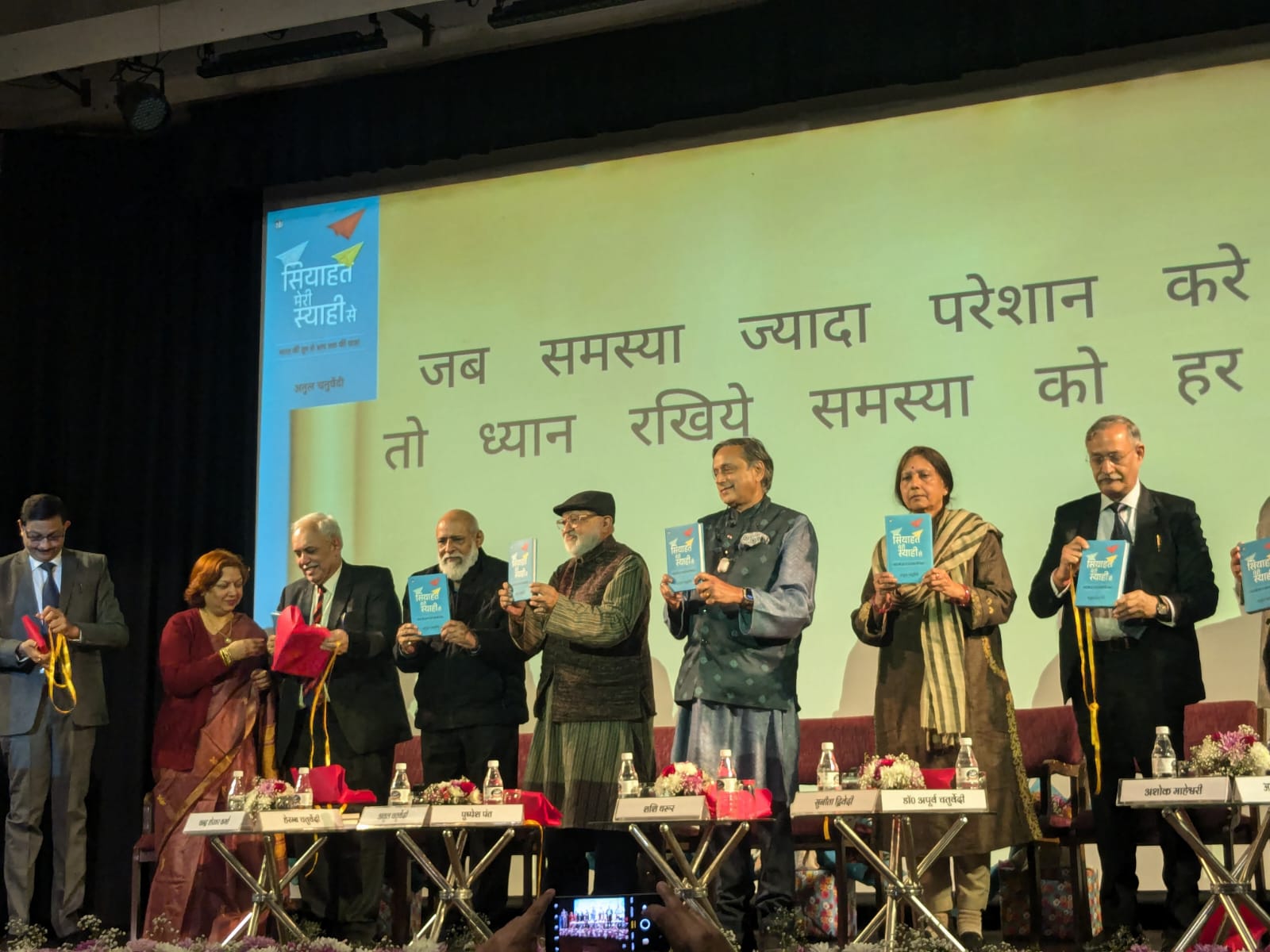
सियाहत मेरी स्याही से : अतुल चतुर्वेदी की पुस्तक का विमोचन
?????? ???? ?????? ?? : ???? ????????? ?? ?????? ?? ??????
चतुर्वेदी मेधावी छात्र पुरस्कार समारोह
????????? ?????? ????? ???????? ??????

Law Relating to the Armed Forces in India authored by Maj Gen Nilendra Kumar
Law Relating to the Armed Forces in India authored by Maj Gen Nilendra Kumar
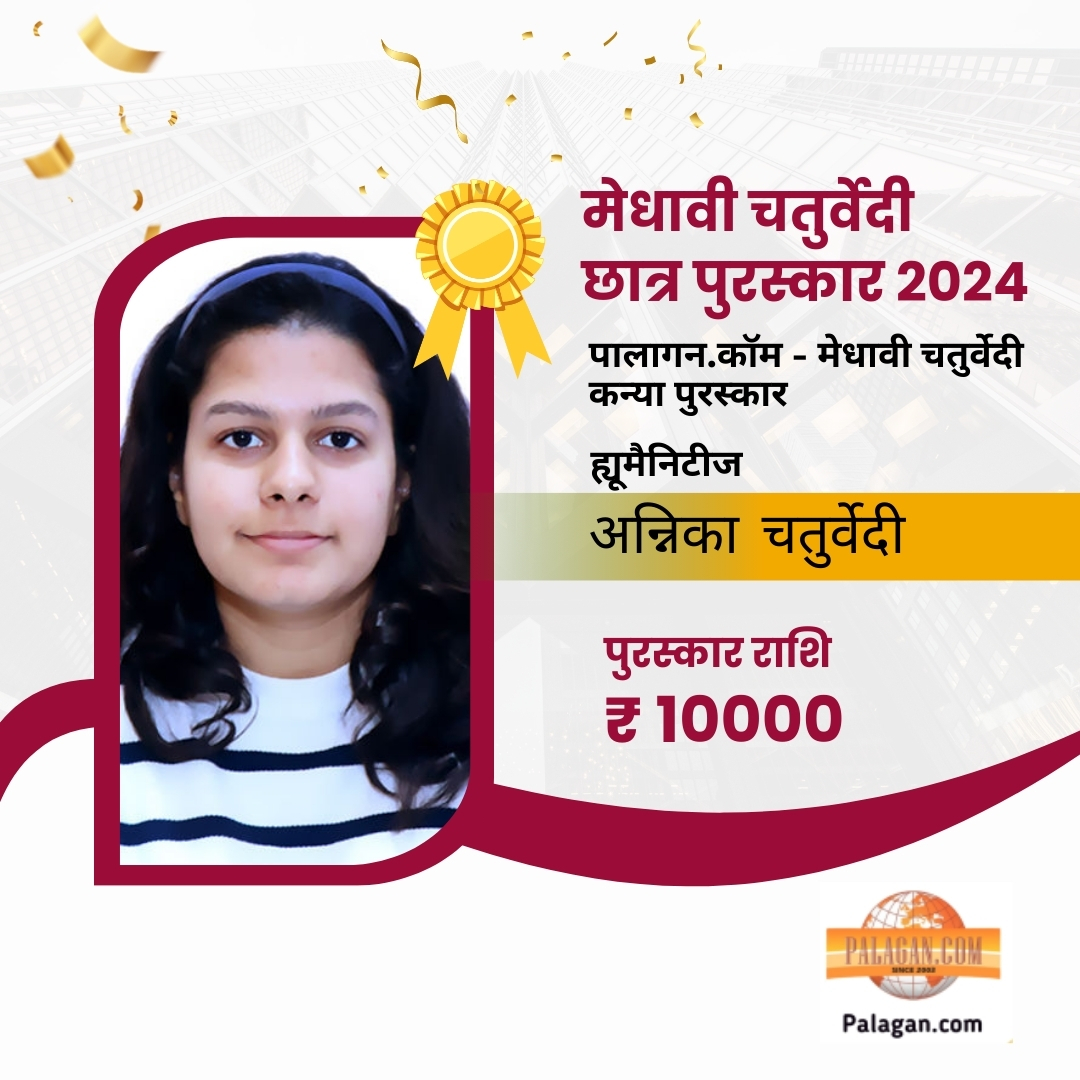
Annika Chaturvedi wins prize for her performance in Humanities Stream for 2024 passing out in 12th board exam
?????? ????????? ????? ???????? 2024
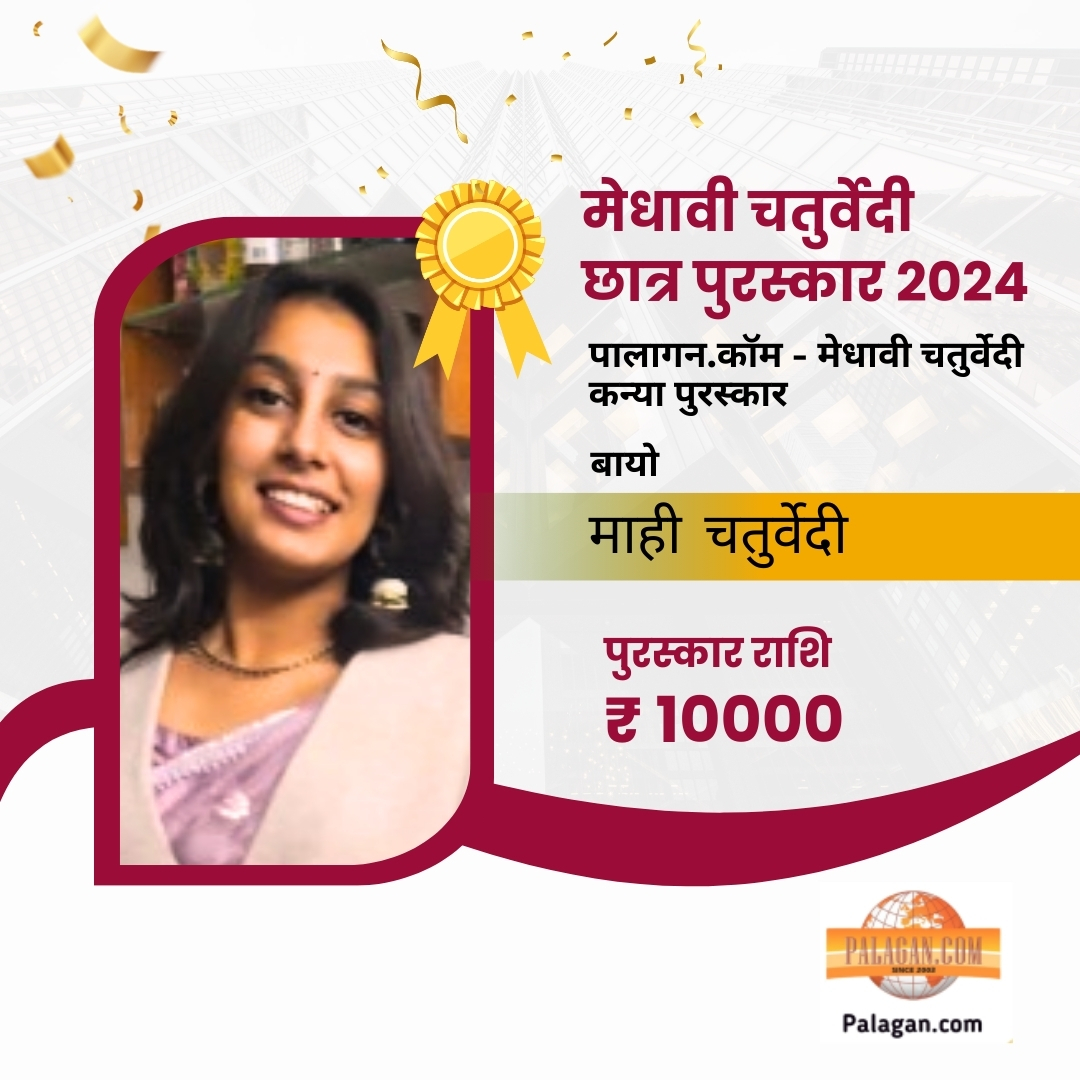
Mahi Chaturvedi wins prize for her performance in Bio Stream for 2024 passing out in 12th board exam
?????? ????????? ????? ???????? 2024
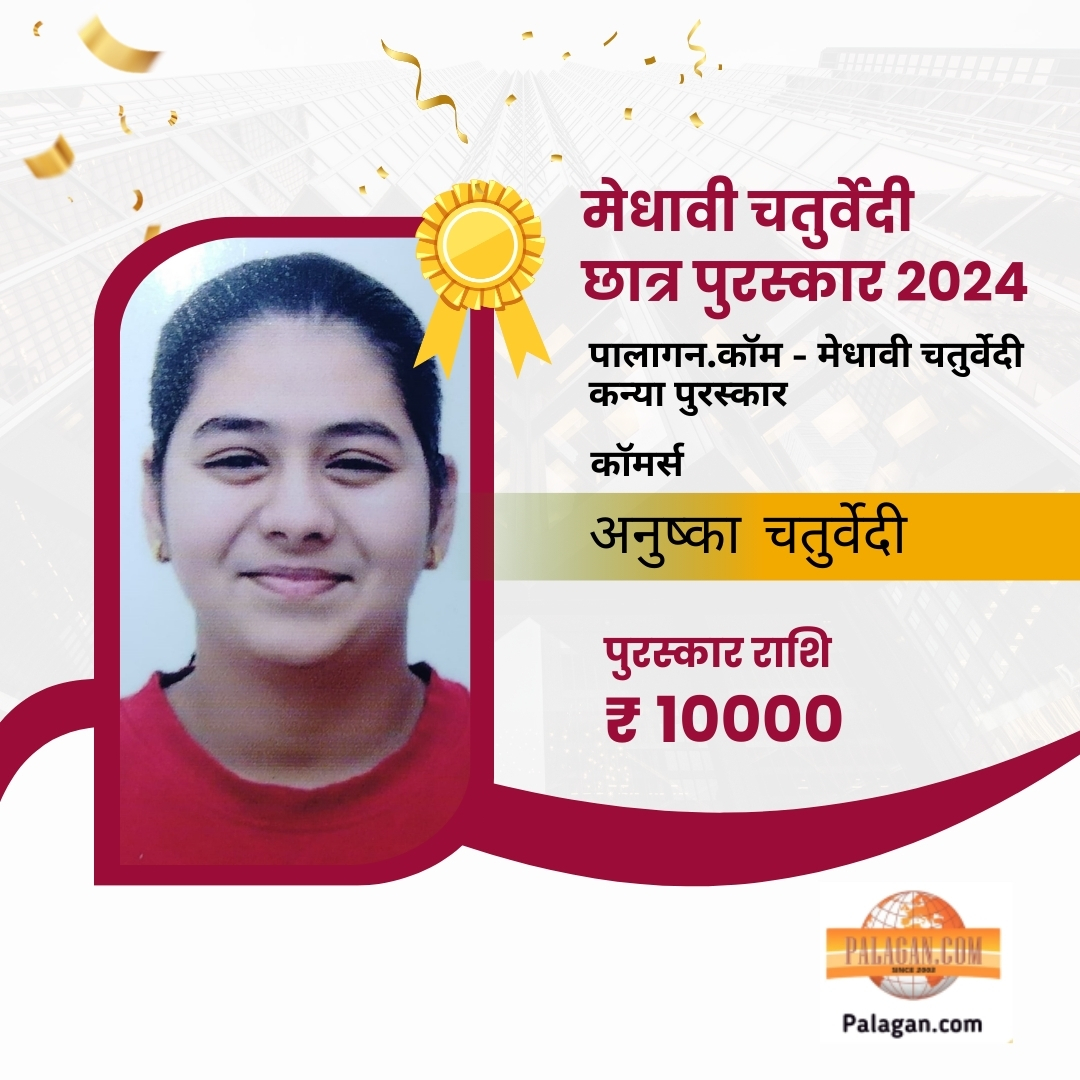
Anushka Chaturvedi wins prize for her performance in Commerce Stream for 2024 passing out in 12th board exam
?????? ????????? ????? ???????? 2024
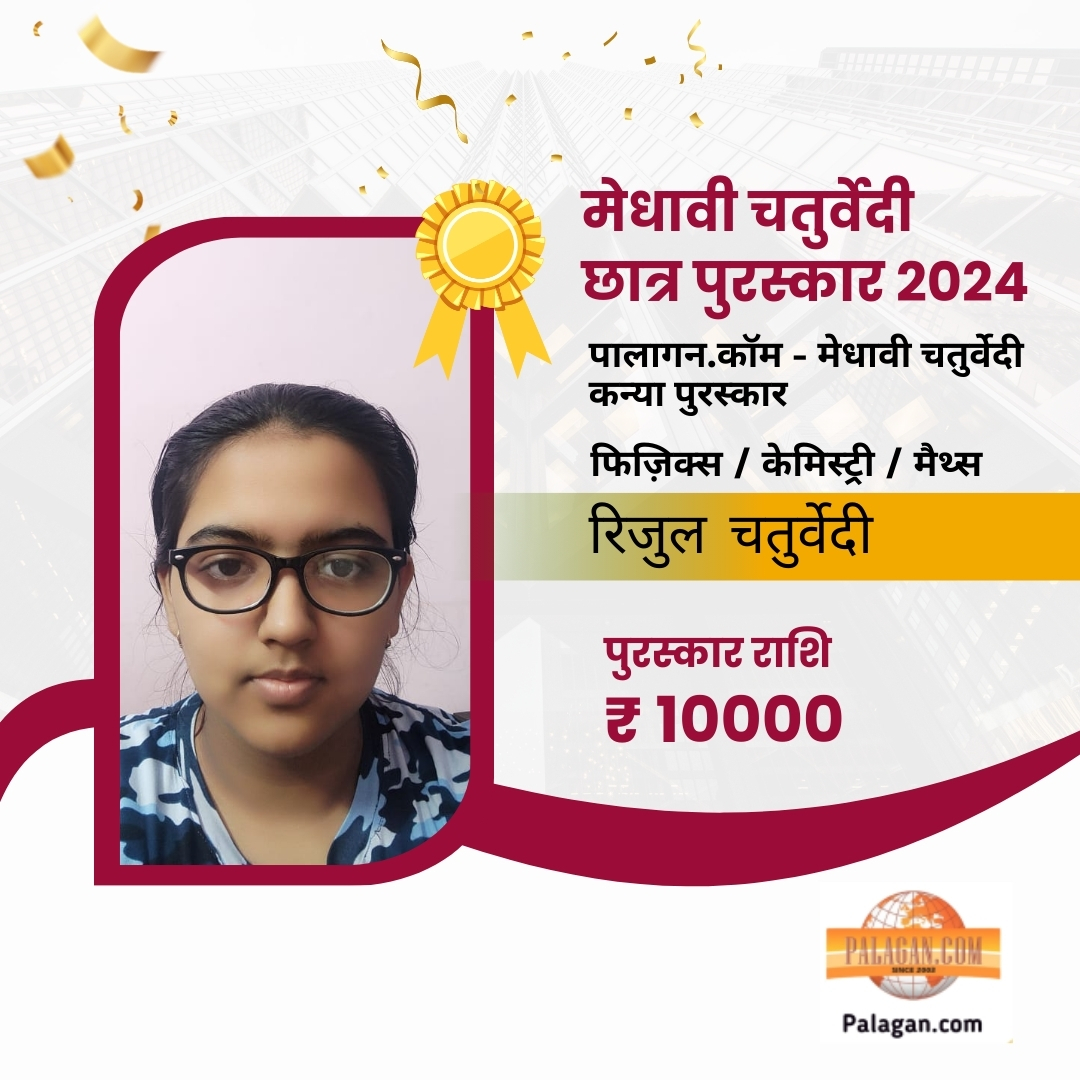
Rijul Chaturvedi wins prize for her performance in PCM stream for 2024 passing out in 12th board exam
?????? ????????? ????? ???????? 2024
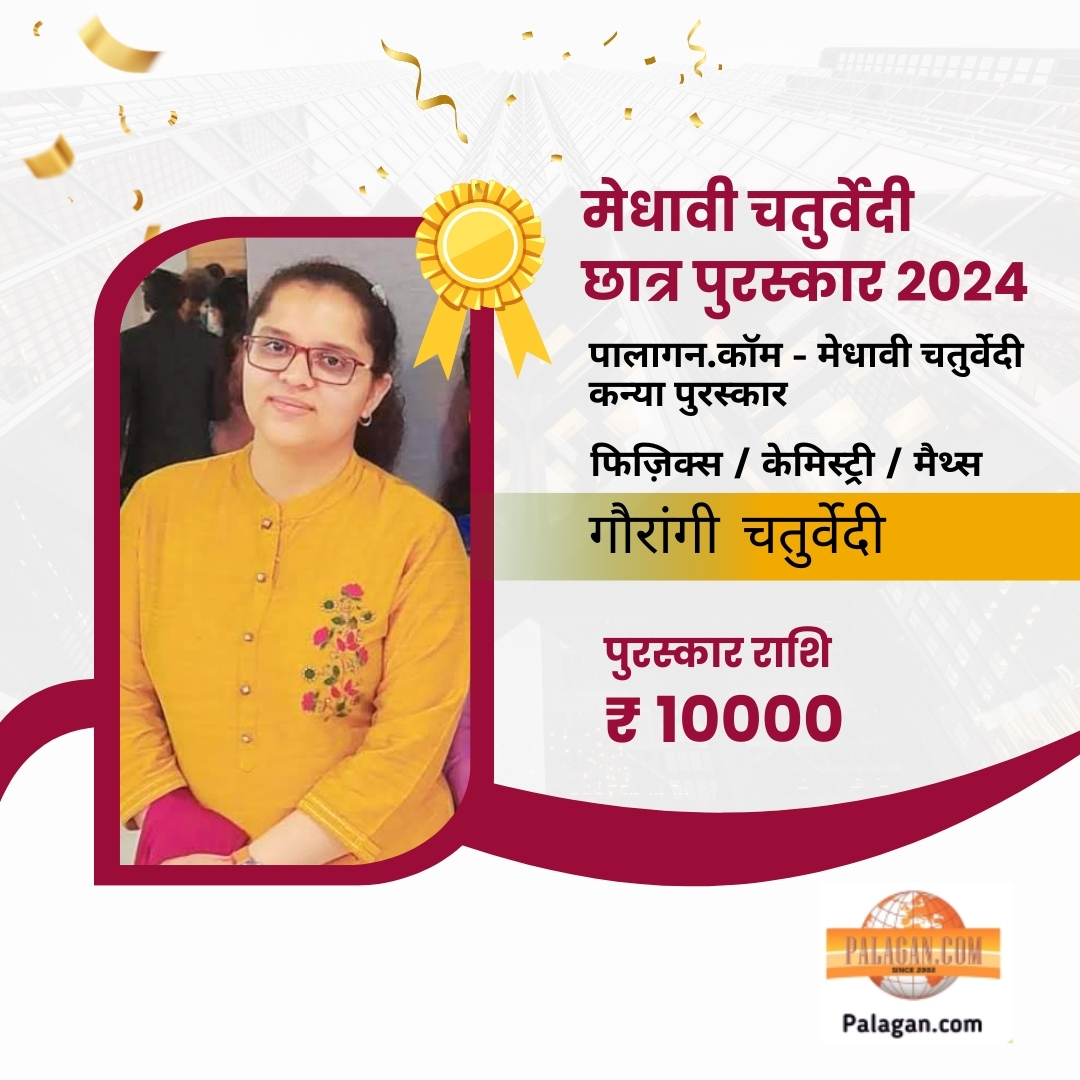
Gaurangi Chaturvedi wins prize for her performance in PCM stream for 2024 passing out in 12th board exam
?????? ????????? ????? ???????? 2024
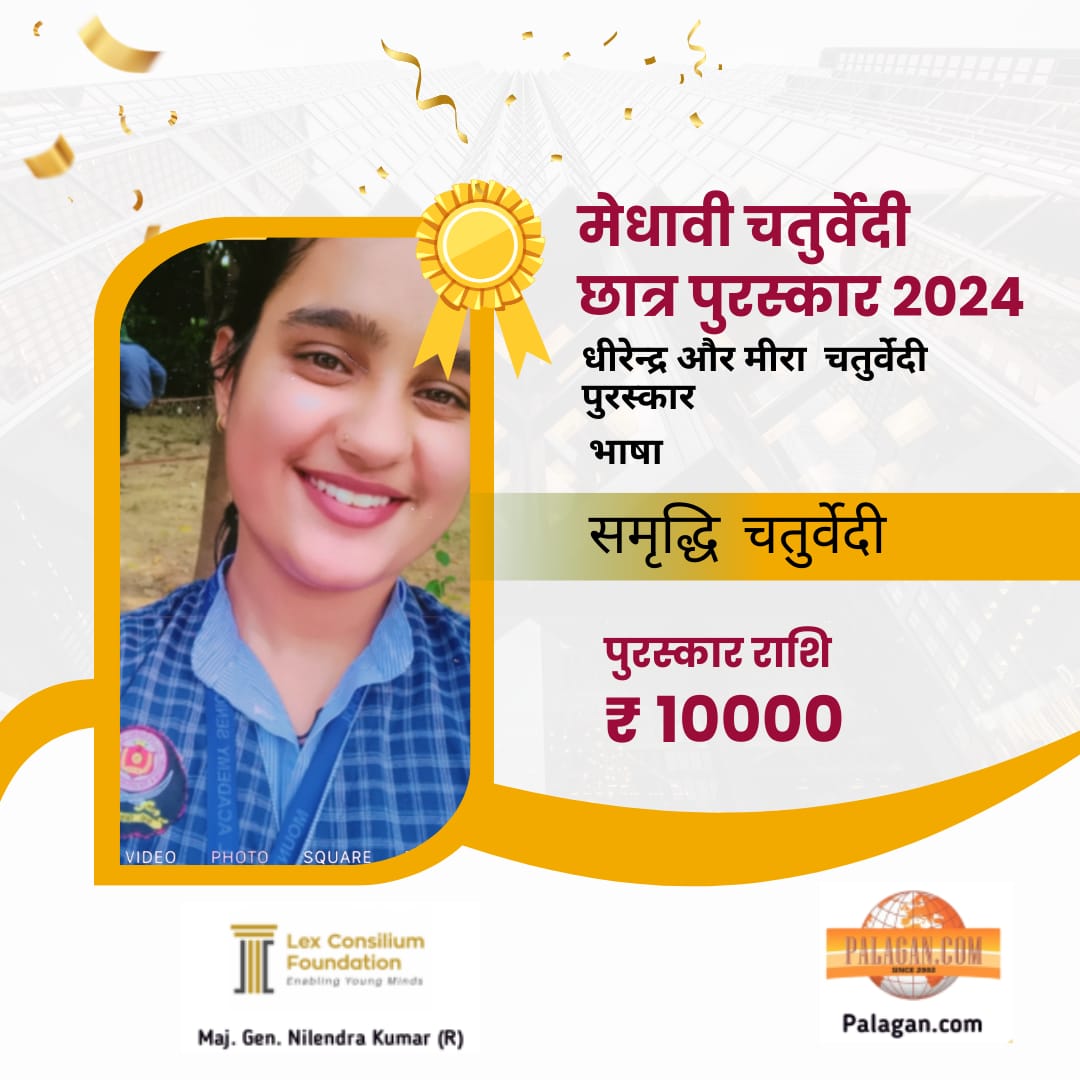
Sammriddhi Chaturvedi wins prize for her performance in Languages for 2024 passing out in 12th board exam
?????? ????????? ????? ???????? 2024
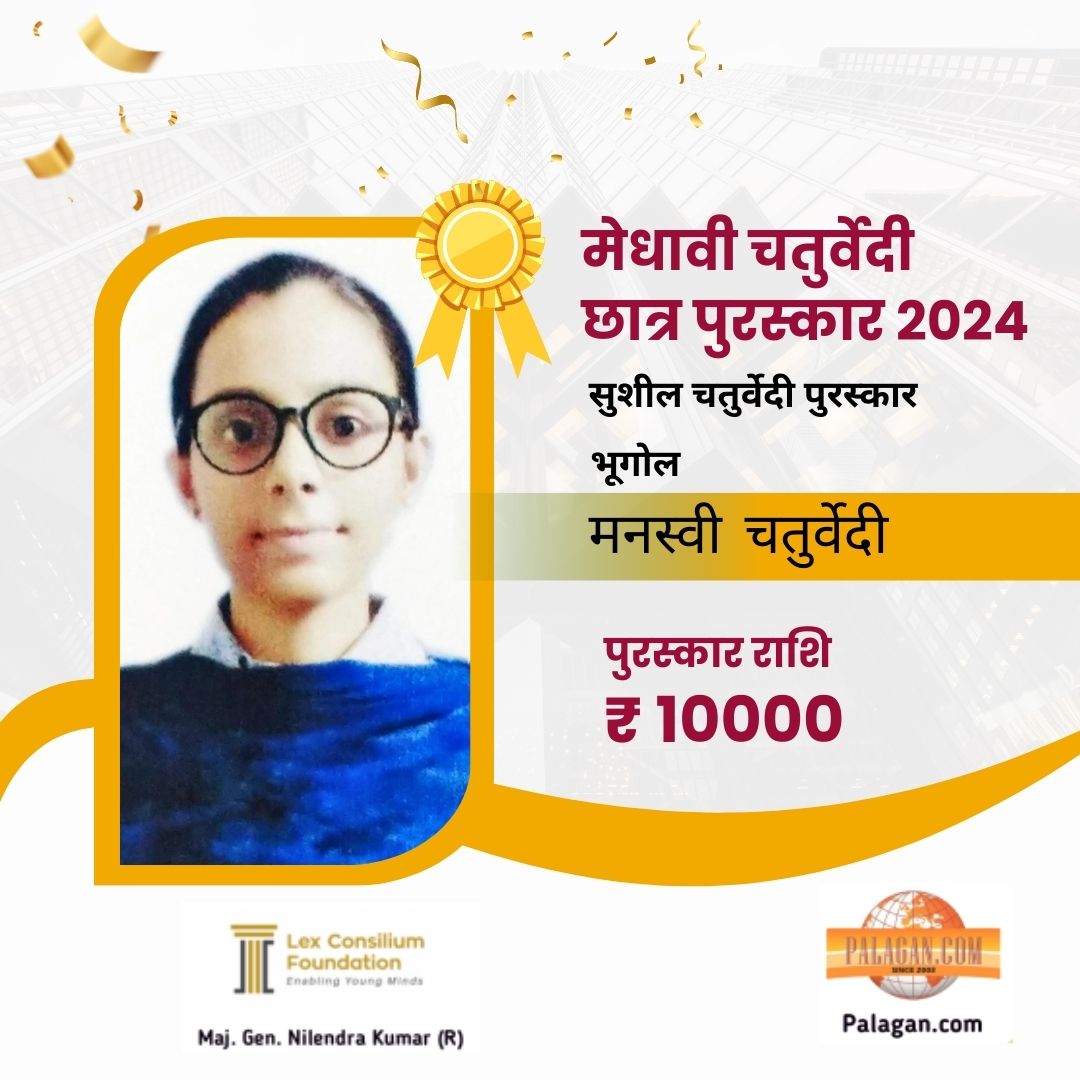
Mansvi Chaturvedi wins prize for her performance in Geography subject for 2024 passing out in 12th board exam
?????? ????????? ????? ???????? 2024
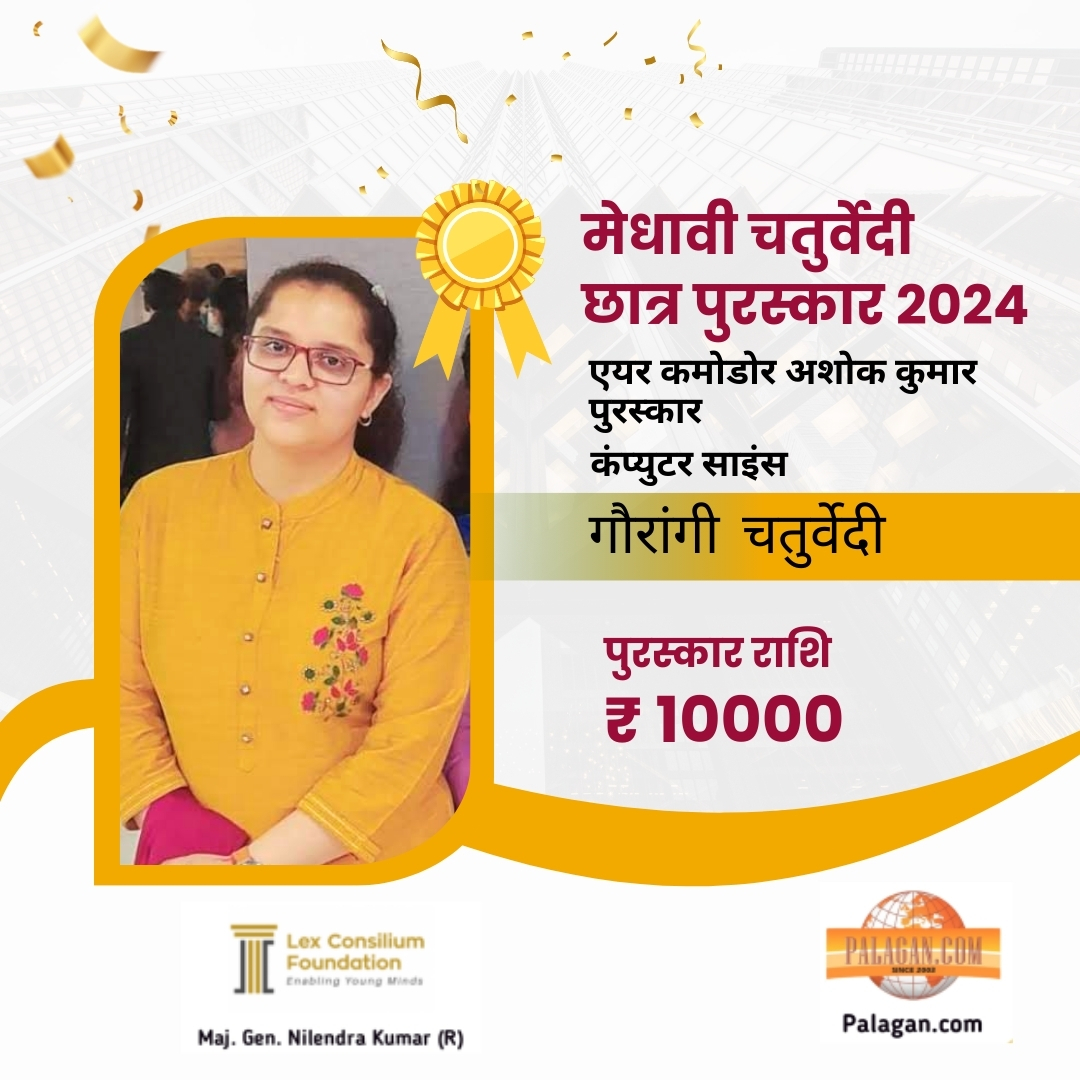
Gaurangi Chaturvedi wins prize for her performance in Computer Science subject for 2024 passing out in 12th board exam
?????? ????????? ????? ???????? 2024
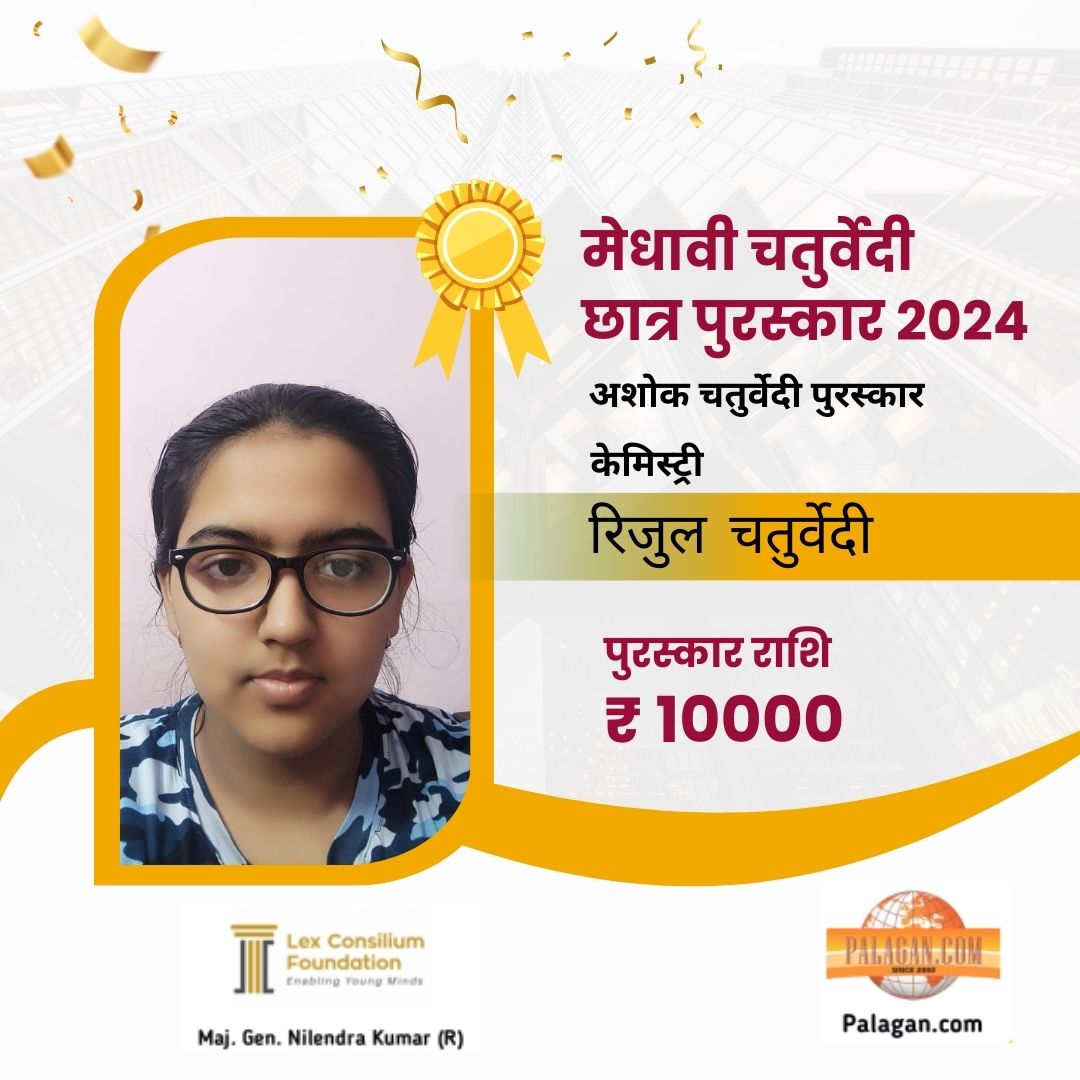
Rijul Chaturvedi wins prize for her performance in Chemistry subject for 2024 passing out in 12th board exam
?????? ????????? ????? ???????? 2024
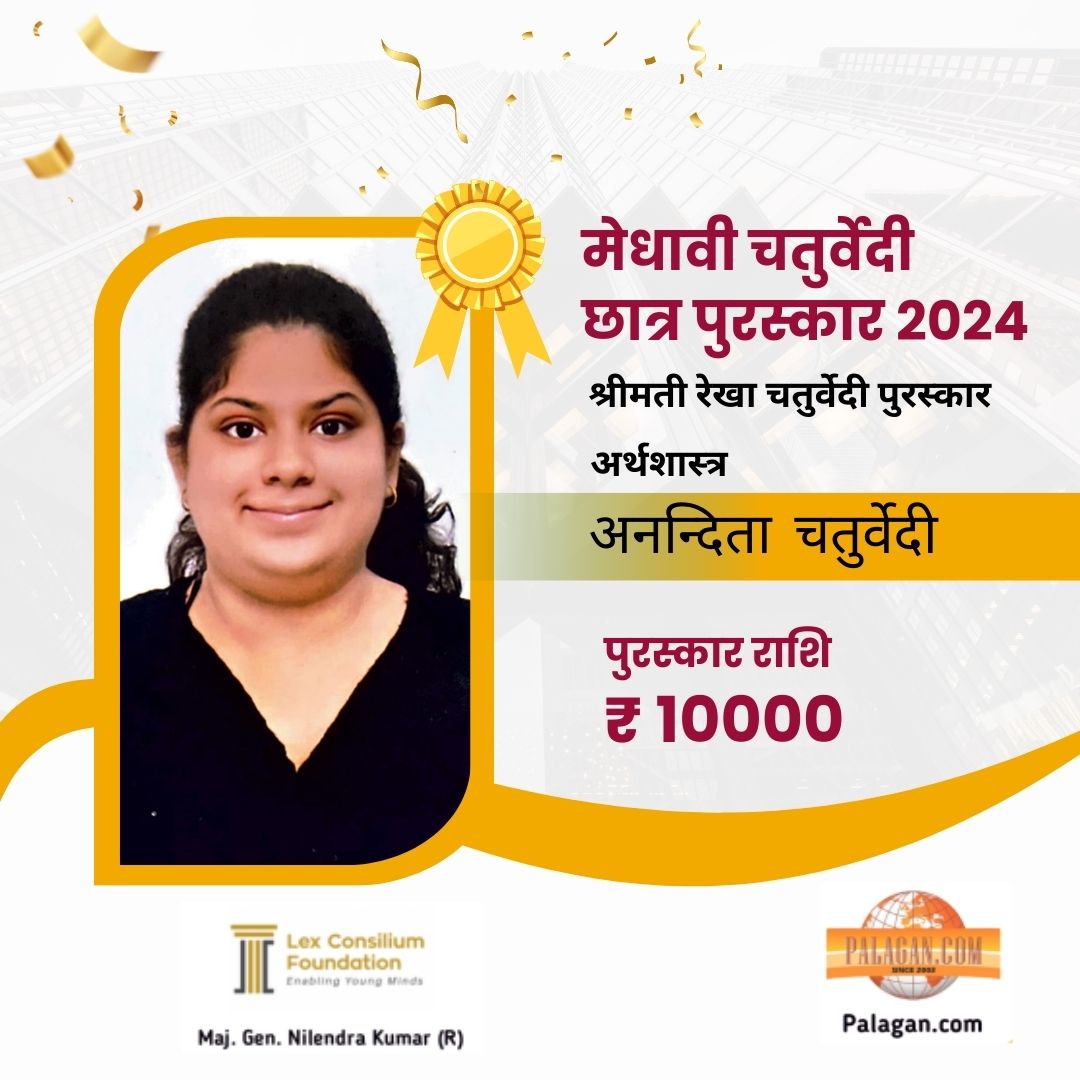
Anandita Chaturvedi wins prize for her performance in Economics subject for 2024 passing out in 12th board exam
Anandita Chaturvedi wins prize for her performance in Economics subject for 2024 passing out in 12th board exam
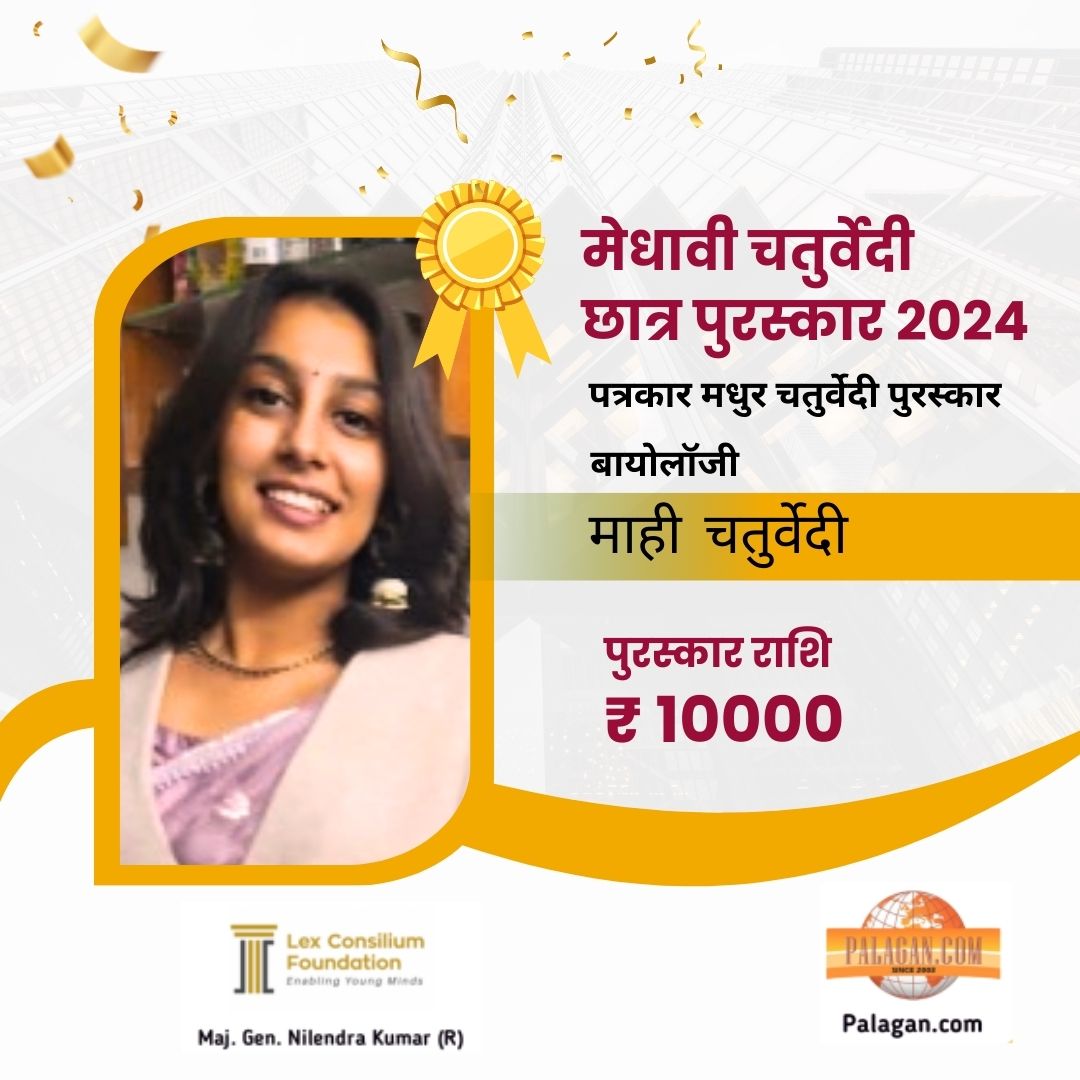
Mahi Chaturvedi wins prize for her performance in Biology subject for 2024 passing out in 12th board exam
?????? ????????? ????? ???????? 2024
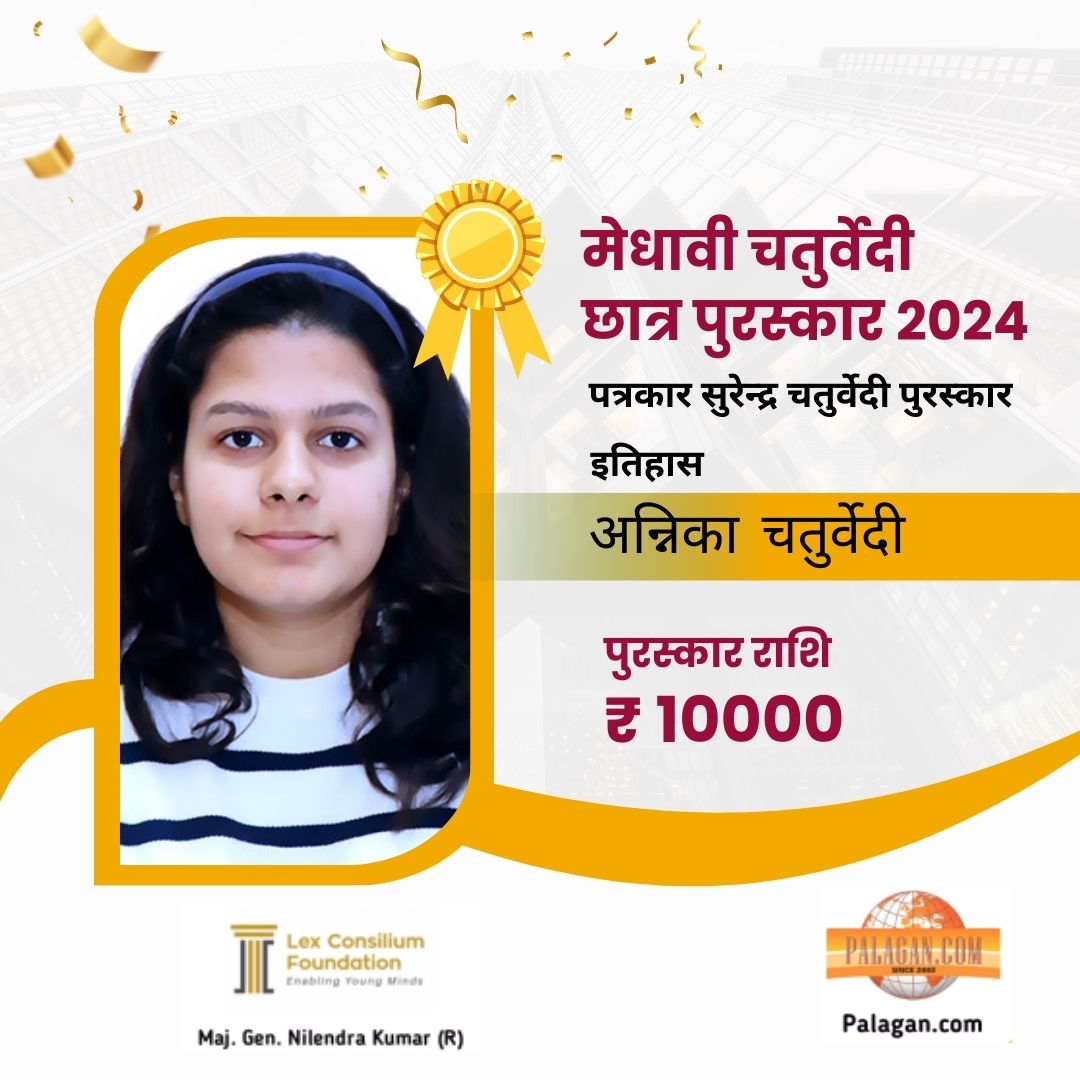
Annika Chaturvedi wins prize for her performance in History subject for 2024 passing out in 12th board exam
?????? ????????? ????? ???????? 2024
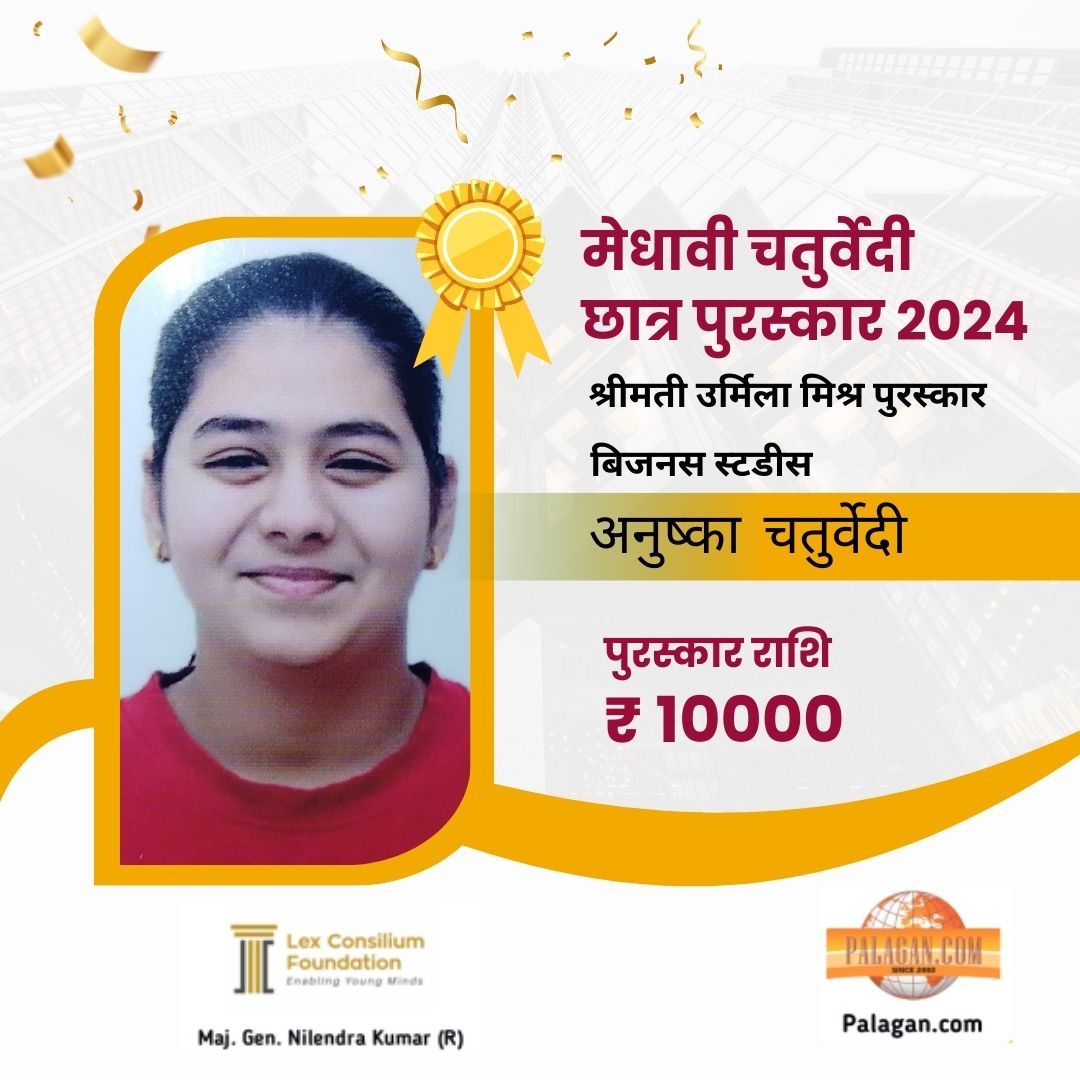
Anushka Chaturvedi wins prize for her performance in Business Studies subject for 2024 passing out in 12th board exam
?????? ????????? ????? ???????? 2024
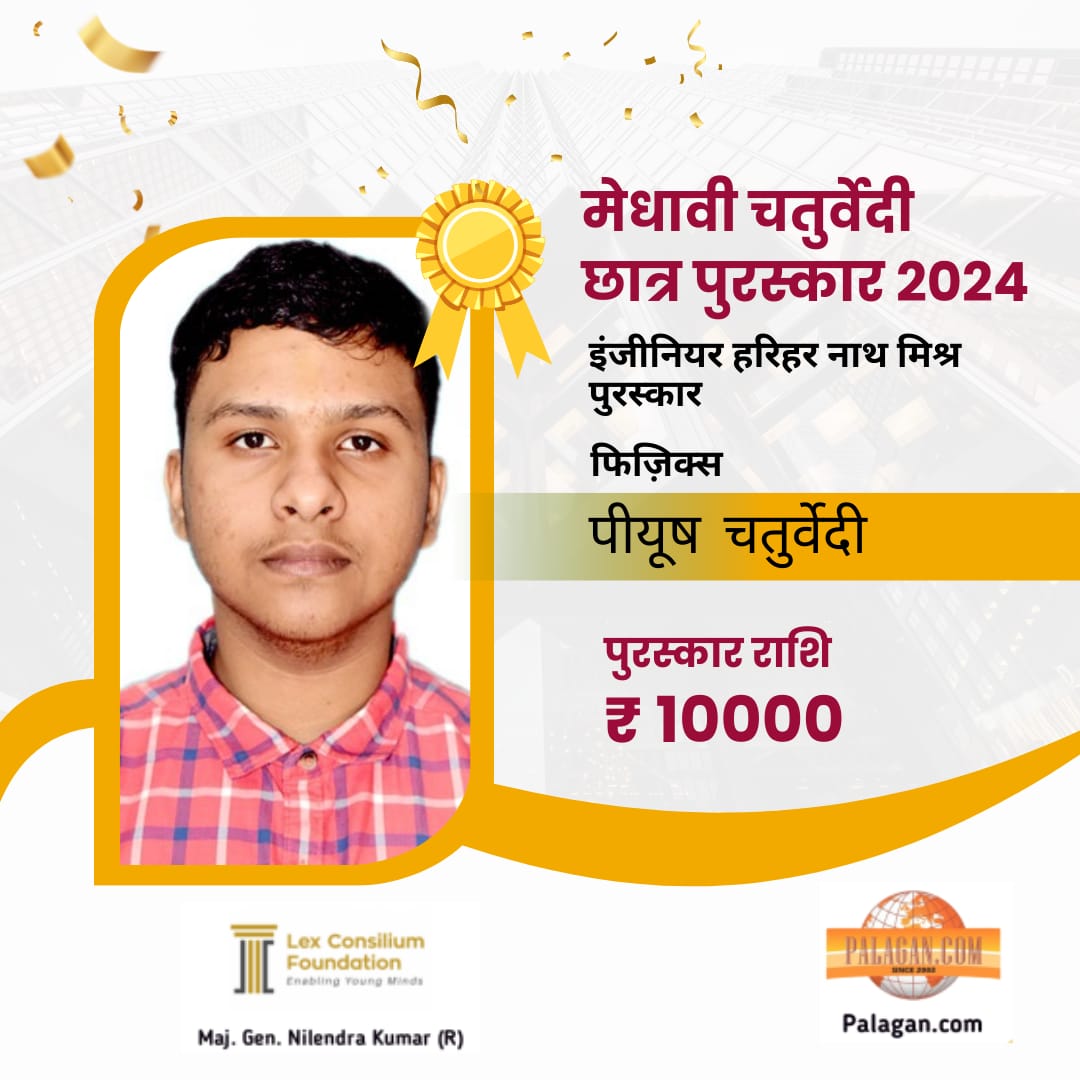
Piyush Chaturvedi wins prize for his performance in Physics subject for 2024 passing out in 12th board exam
?????? ????????? ????? ???????? 2024
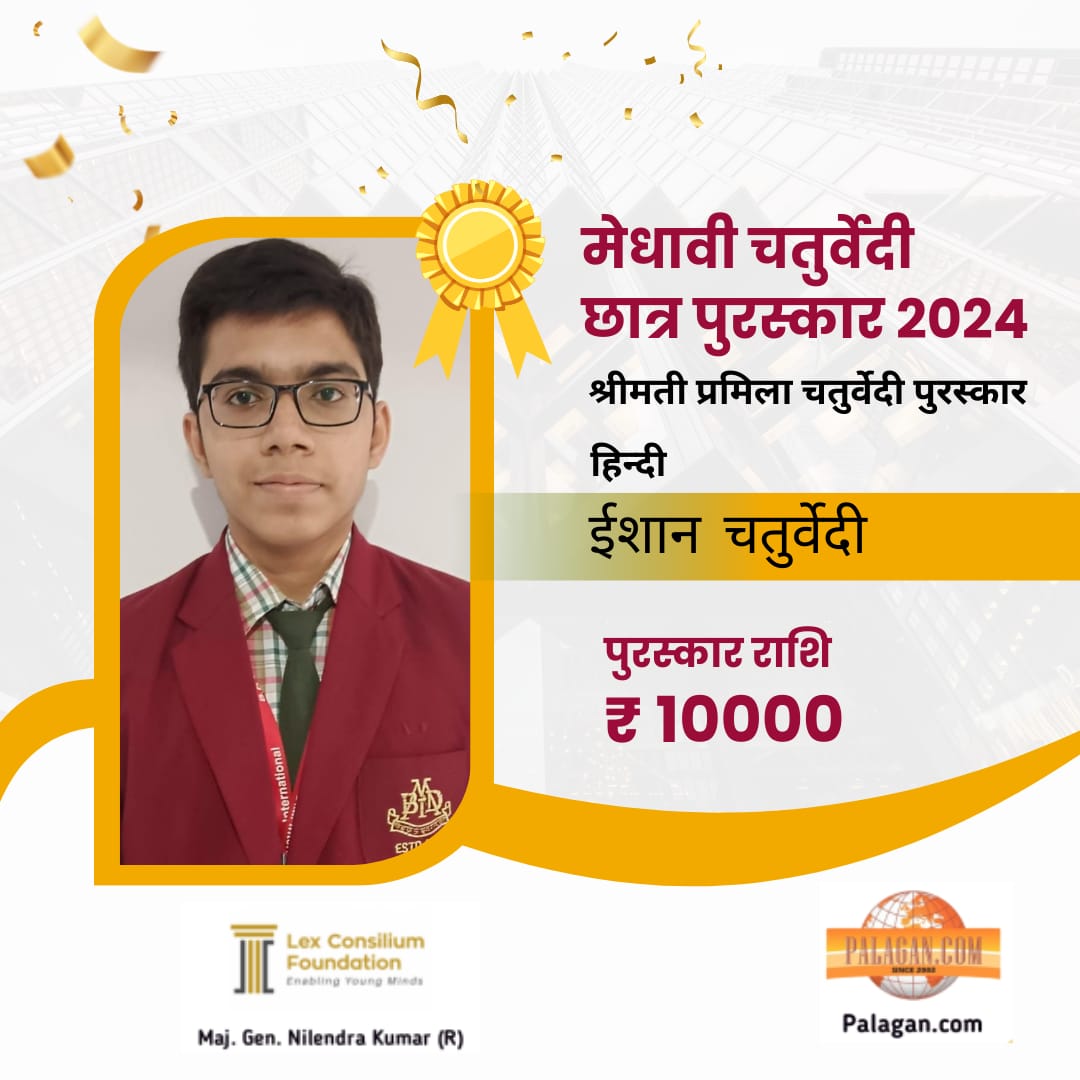
Ishan Chaturvedi wins prize for his performance in Hindi subject for 2024 passing out in 12th board exam
?????? ????????? ????? ???????? 2024
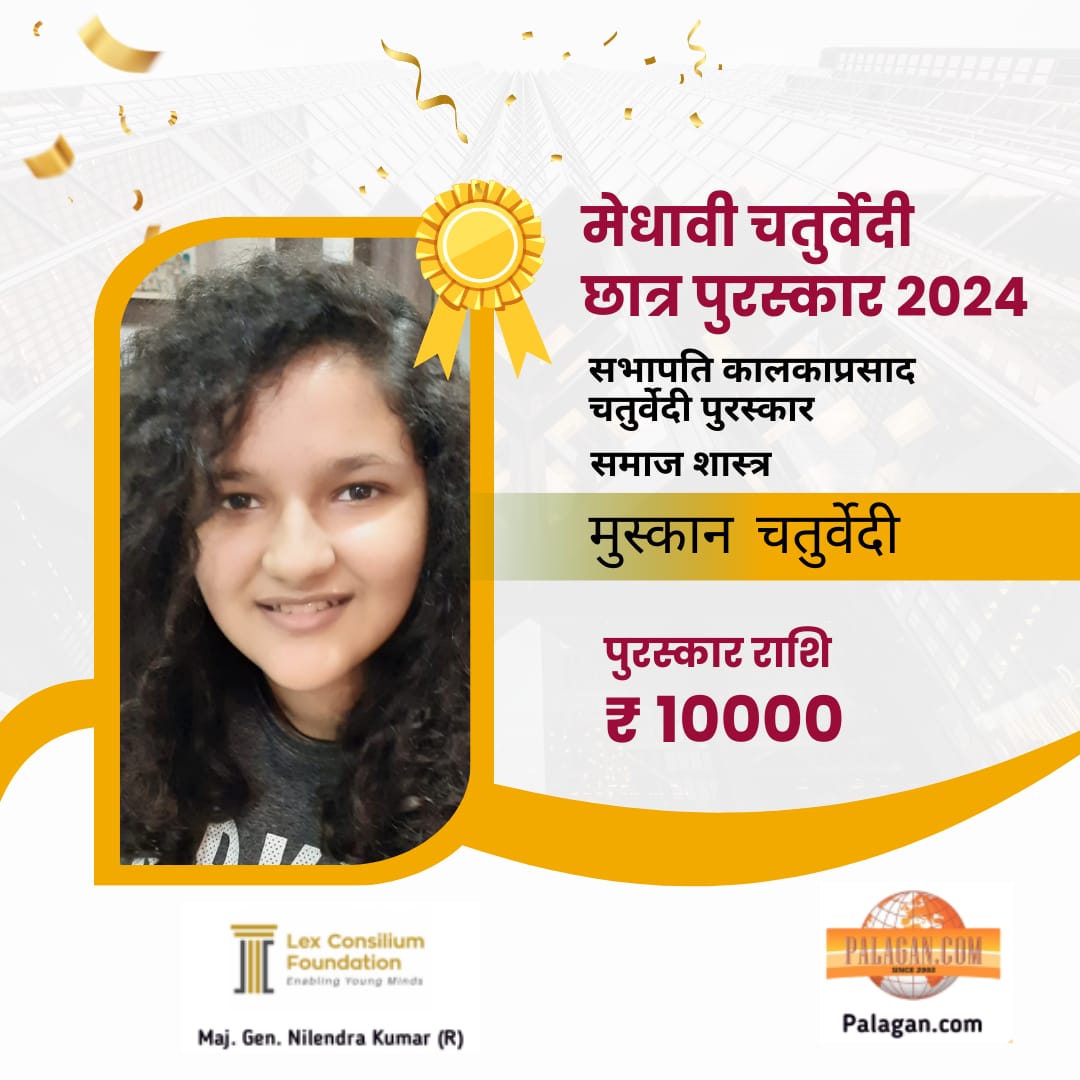
Muskan Chaturvedi wins prize for his performance in Social Studies subject for 2024 passing out in 12th board exam
?????? ????????? ????? ???????? 2024

Divyeh Chaturvedi wins prize for his perfroamce in Maths subject for 2024 passing out in 12th borad exam
?????? ????????? ????? ???????? 2024
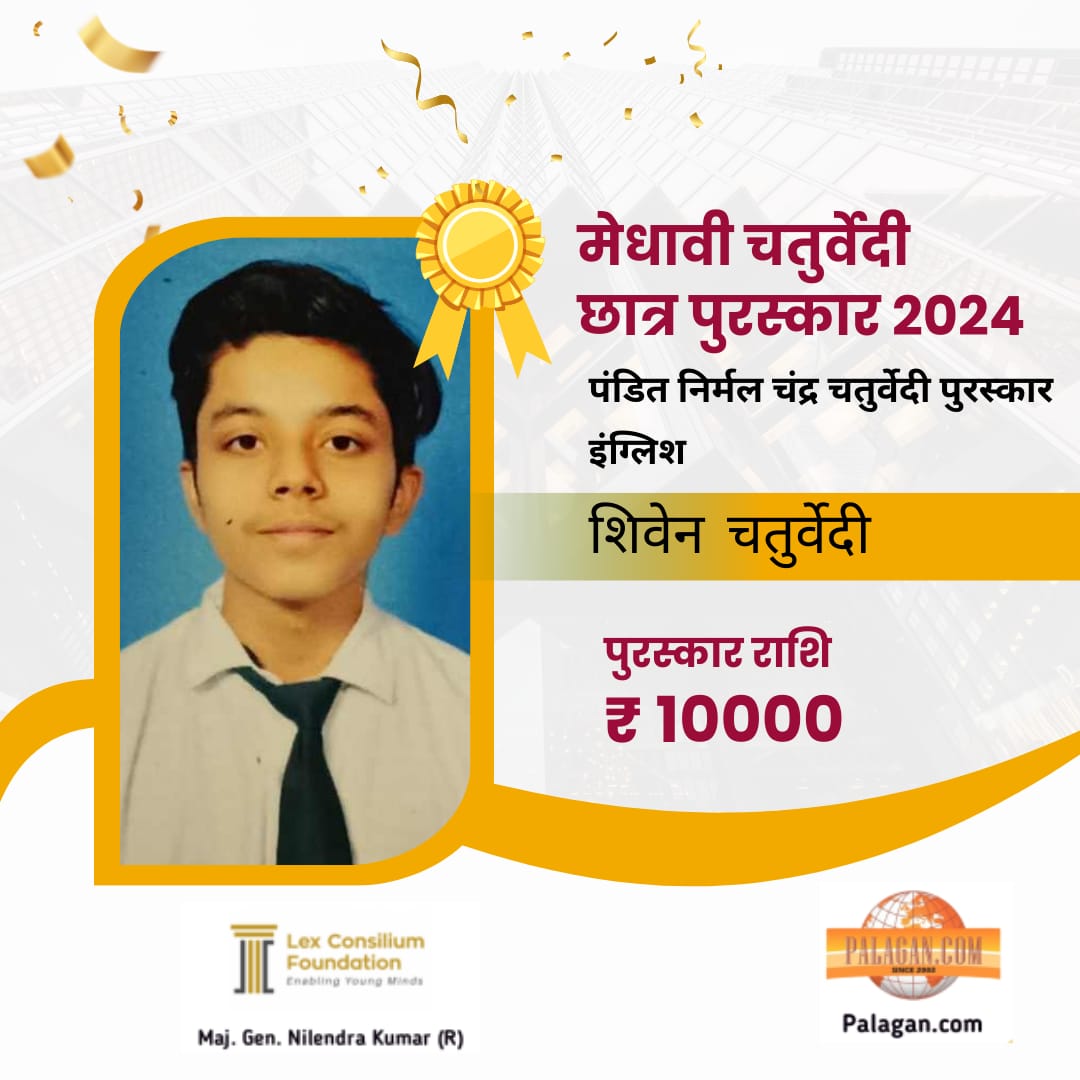
Shiven Chaturvedi wins prize for his perfroamce in English subject for 2024 passing out in 12th borad exam
?????? ????????? ????? ???????? 2024
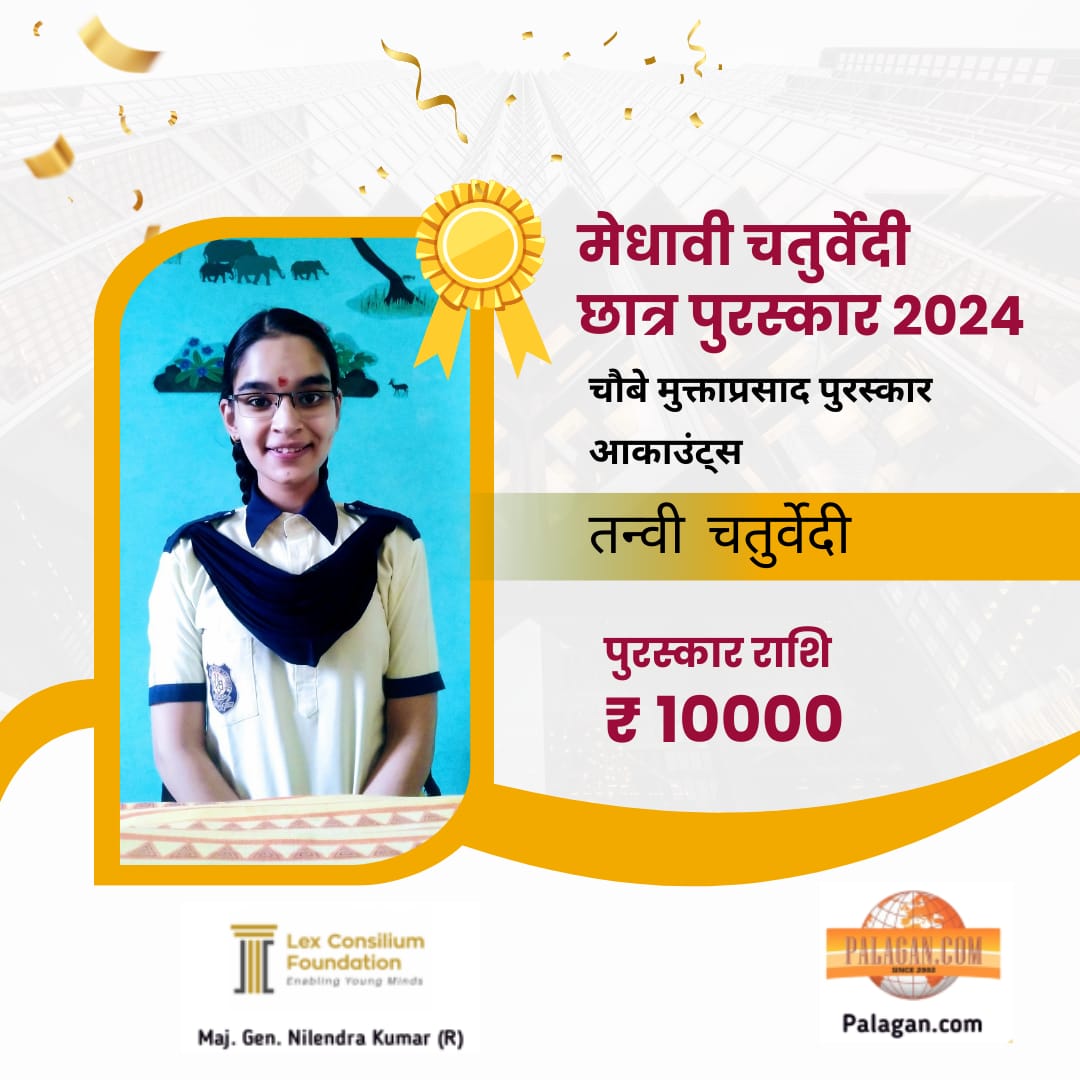
मेधावी चतुर्वेदी छात्र पुरस्कार 2024
Tanvi Chaturvedi wins prize for her performance in Accounts subject for 2024 passing out in 12th board exam
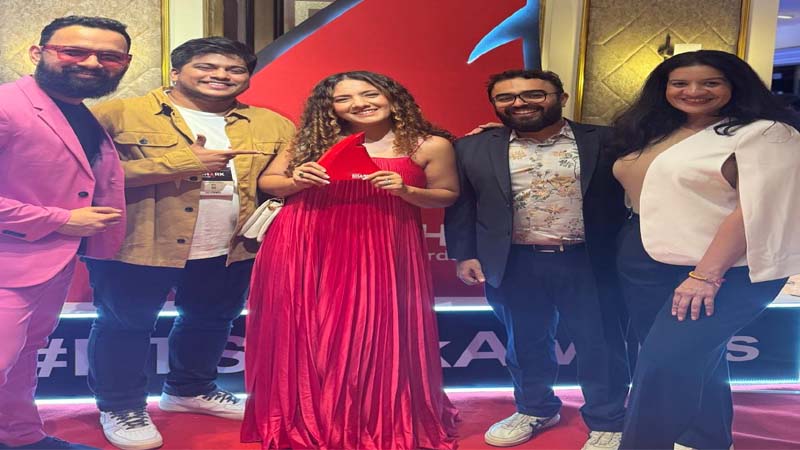
Ankur Chaturvedi and his wife Neha from Mumbai bag prestigeous ETBrand Equity Award
Ankur Chaturvedi and his wife Neha from Mumbai bag Prestigeous ETBrandEquity Award
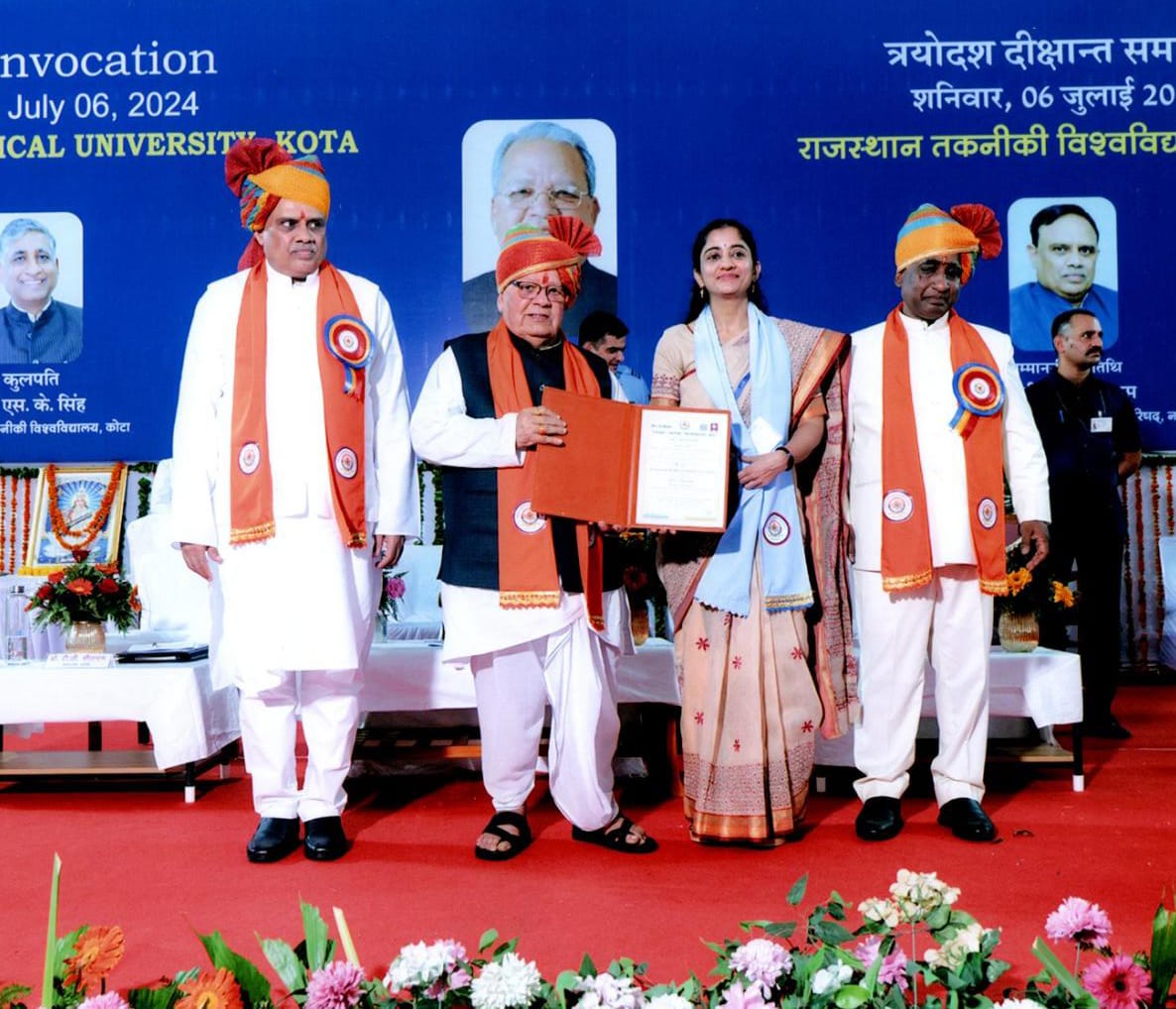
Pallavi Chaturvedi gets doctorate on her research in Wind Energy
Pallavi Chaturvedi gets doctorate on her research in Wind Energy

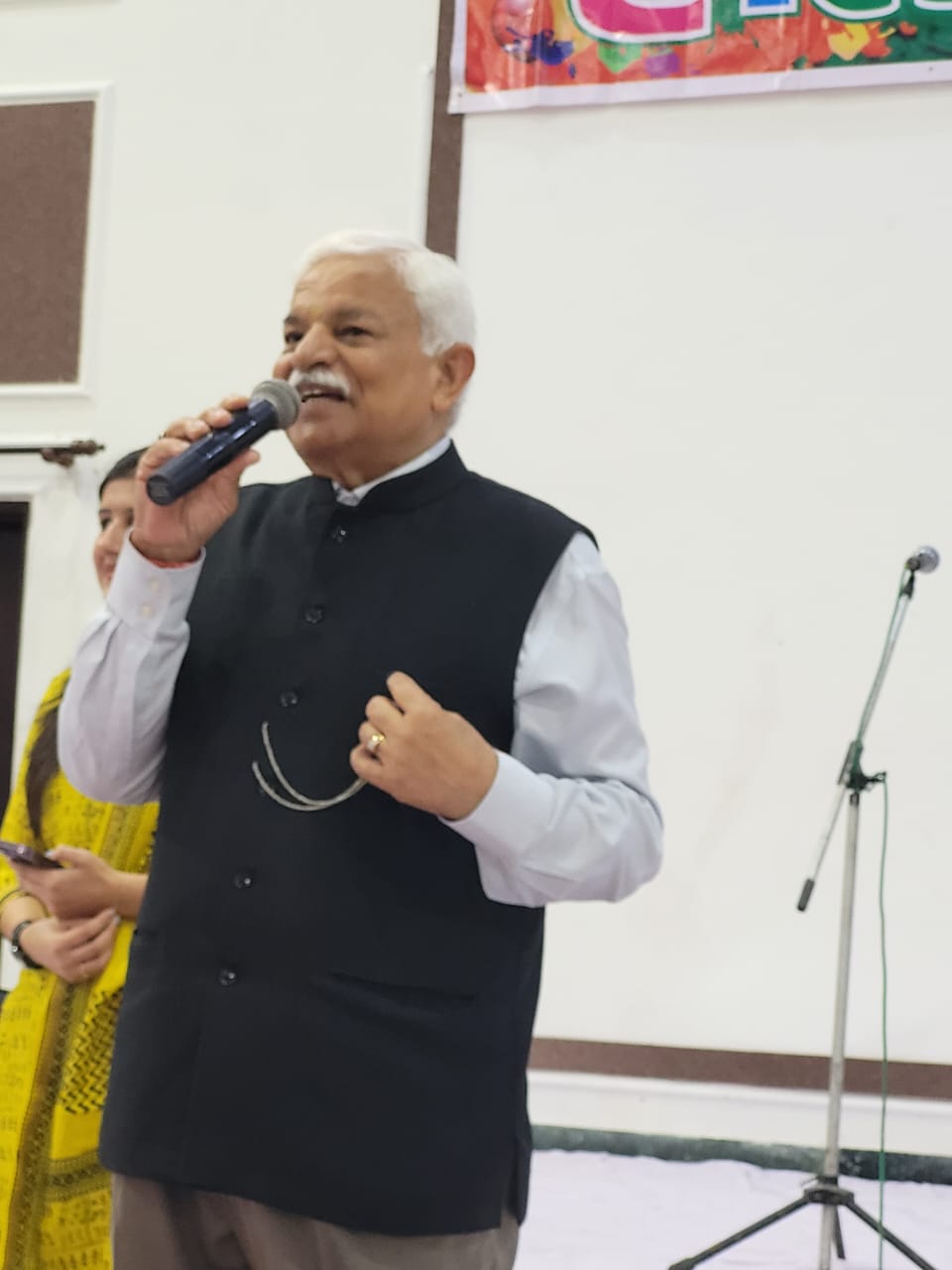
नोएडा में होली मिलन 2024 का सफल आयोजन
????? ?????? ????? ?? ????? ????? ????????? ????? ?????? 82 ??? ???? ???? ?????? ??? ?? ???? ???????? ???? ?? ???????? ???? ??????? ?? ????? ???? ????? ?????? ?? ????? ????? ?????? ???? ???? ?? ???????? ?? ????????? ??? ?? ???? ?? ?? ???? ???? ??????? ?? ???? ???? ????? ?? ??????? ?? ?? '?????? ????' ?? ???? ?? '?????????' ????? ?????, ??? ????????? ???? ????? ????????? ?? ?? ?????? ( ????, ??????? ????? ) ?? ??? ???-??? ?? ??? ????? ?? ???????? ??????? ?? ?? ?? ?? ????? ????? ??? ?????? ?? ?? ????????? ?? ???????? ????? ??? ????? ????? ???? ?? ??? ????, ??????? ?? ????? ?????? ( ?????? ?? ?? ????? ??) ?? ???? ????? ???? ???? ?? ???????? ????? ????? ??? ???? ?? ??????? ???? ?? ???????? ????????? ???? ??? ?? ( ????? ), ????? ??, ?????????? ??, ???? ??,???? ??,????? ??, ???? ??,????, ?????? ??, ????? ??,???? ?? ?? ???? ???? ???? ?? ?? ???????? ???? ???? ?? ?????? ???????? ????? ???? ????? ?? ???? ????? ??? ?? ????????? ?? ?????? ????? ????? ????????? ?? ???? ?????? ??? ??? ?? ???? ???????? ???? ?? ????????? ?? ???? ????? ????? ?????????? ???????? ??? ??, ????? ????????? ?????? ?? ?? ?????? ?? ?? ??? ?? ???????? ?? ?????? ????? ????? ??? ???? ?????, ?????? ?? ?????? ?? ?? ???? ????? ???? ?????? ???? ???????? ?? ????? ?? ?? ???? ??? ??????????? ??? ?? ????? ???? ??? ?? ???? ???? ???????, ?? ????? ?? ???? ??? ???? ??? ?? ?????? ??? ???? ???? ????? ?? ??????, ?? ?? ?? ????? ???? ???? ??? ??? ?? ??????? ???? ???? ???????,


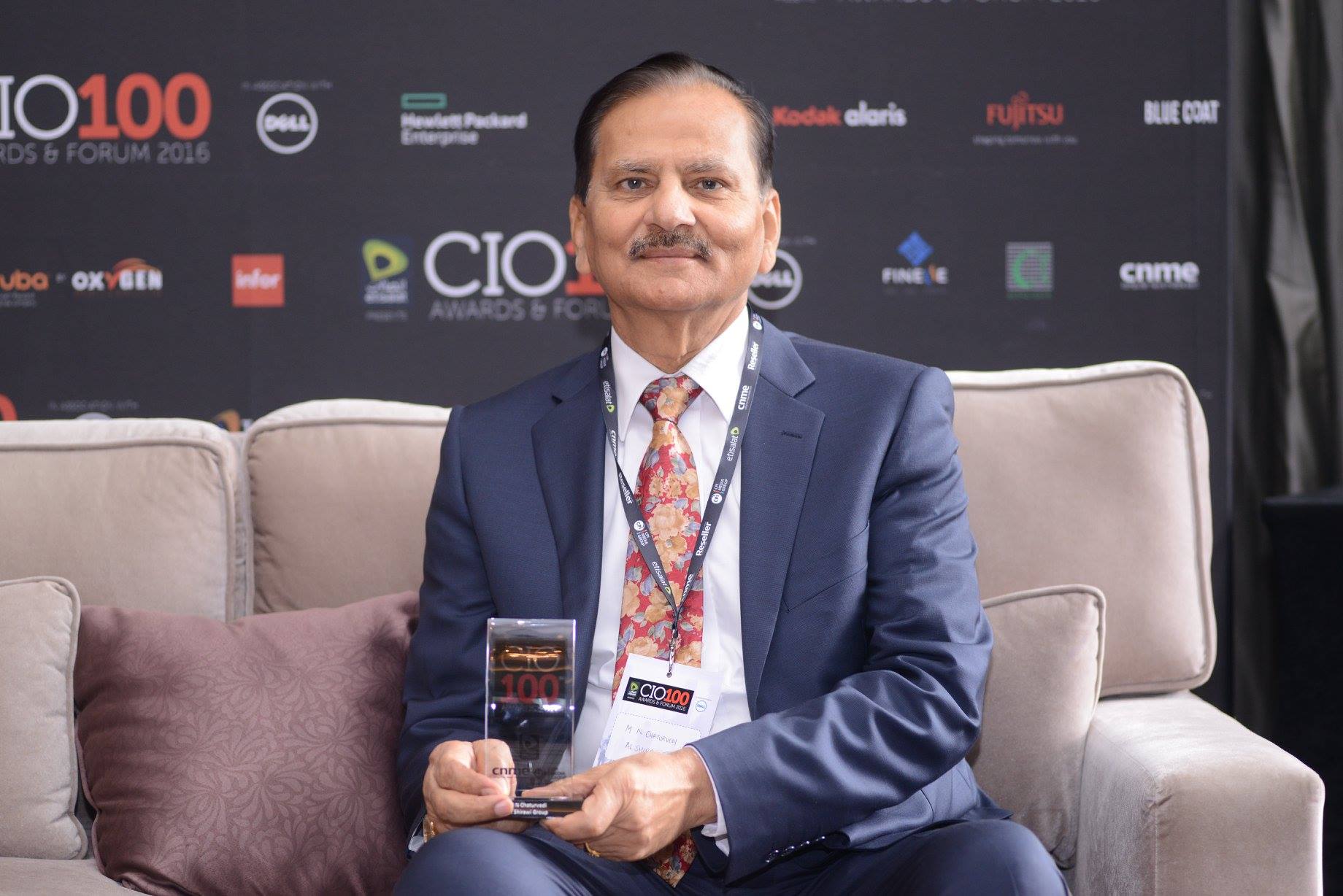
Akhil Chaturvedi head of sales and distribution, Motilal Oswal AMC reports start of inflow in MFs
Akhil Chaturvedi Head of Sales and Distribution, Motilal Oswal AMC reports start of inflow in MFs
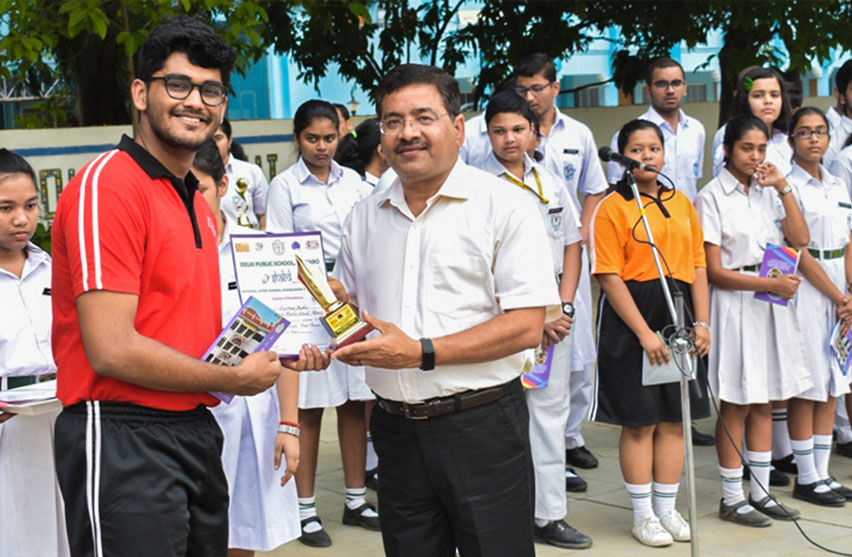
Aranya Chaturvedi of DPS Ranchi Shines in Model United Nations event
Aranya Chaturvedi of DPS Ranchi Shines in Model United Nations event
Madhukar Chaturvedi announces scholarship for coaching Chaturvedi students for Engneering
Madhukar Chaturvedi announces scholarship for coaching Chaturvedi students for Engneering
Crispy Potato Chips Recipe || Instant Potato Chips || आलू के वेफर्स || Potato Wafers
Crispy Potato Chips Recipe || Instant Potato Chips || ??? ?? ?????? || Potato Wafers
Indraprasth to Delhi. A talk by Prof Neera Misra
Indraprasth to Delhi. A talk by Prof Neera Misra
Chaturvedi Holi
Chaturvedi Holi
Shakarkand Halwa Recipe || Sweet Potato Halwa Recipe ||
Shakarkand Halwa Recipe || Sweet Potato Halwa Recipe ||
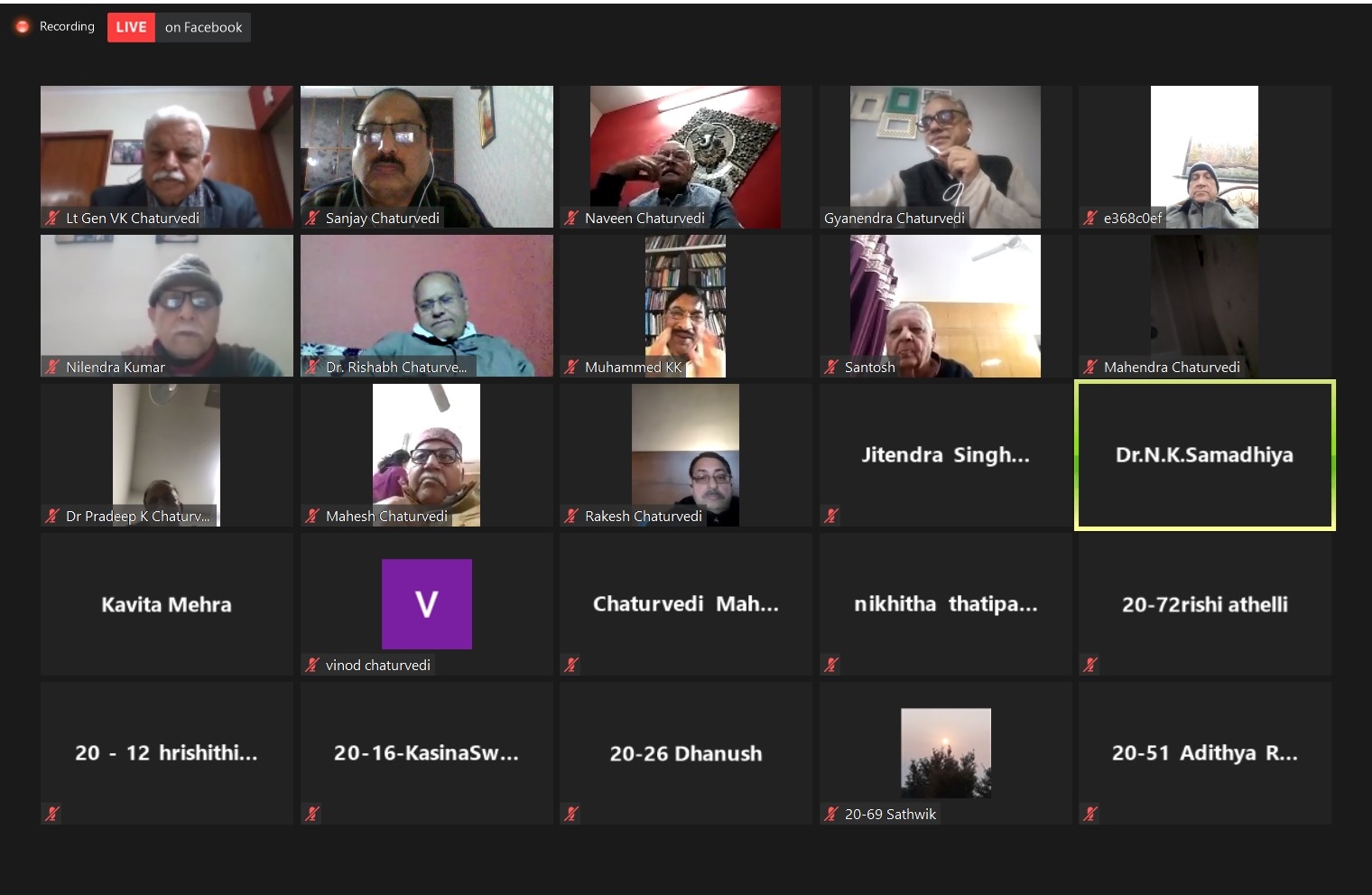
Smaeer Chaturvedi Shares his experience with COVID app Arogya Setu
Smaeer Chaturvedi Shares his experience with COVID app Arogya Setu
From Army cadet to corporate | Ankur Chaturvedi on NEVER SAY DIE
Ankur Chaturvedi' never say die approach has seen him going places.
Sachin Chaturvedi, Director RIS , Delhi based Think Tank on option in front of the nation
Sachin Chaturvedi, Director Research and Information System for Developing Nations , A Delhi based Think Tank explains various options in front of India to substitute imports from China
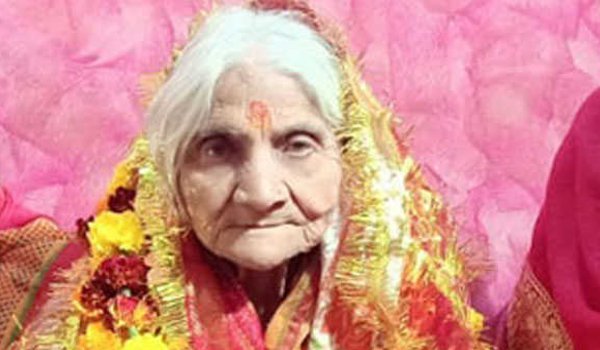
Urmila Chaturvedi,81, to end 27 year old fast with Ram Mandir Bhoomi Pujan
Urmila Chaturvedi of Jabalpur in Madhya Pradesh had in vowed in '92 that she would only eat grains till the construction of the Ram Mandir begins in Ayodhya
THE VRINDAVAN PROJECT AT SHRI RADHA RAMAN TEMPLE, Conceptualised & directed by Manjari Chaturvedi
THE VRINDAVAN PROJECT AT SHRI RADHA RAMAN TEMPLE, Conceptualised & directed by Manjari Chaturvedi
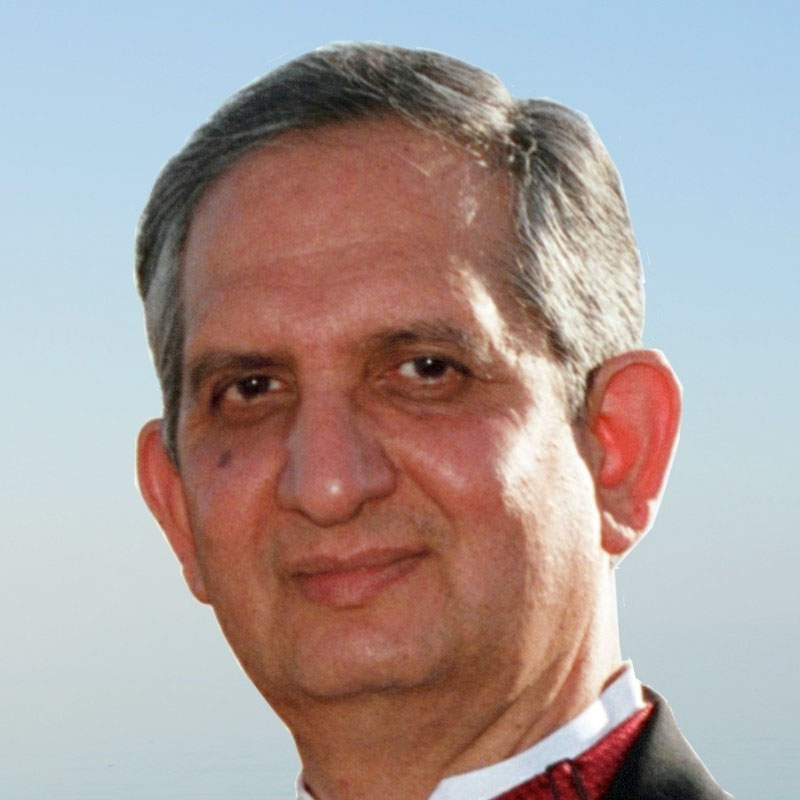
Anil Chaturvedi, MD Hinduja Bank Switzerland
Read interview with Anil Chaturvedi , He currently works as the Managing Director for Hinduja Bank in Switzerland, where he is responsible for bringing in new business, as well as developing new products for Hinduja Bank clients.
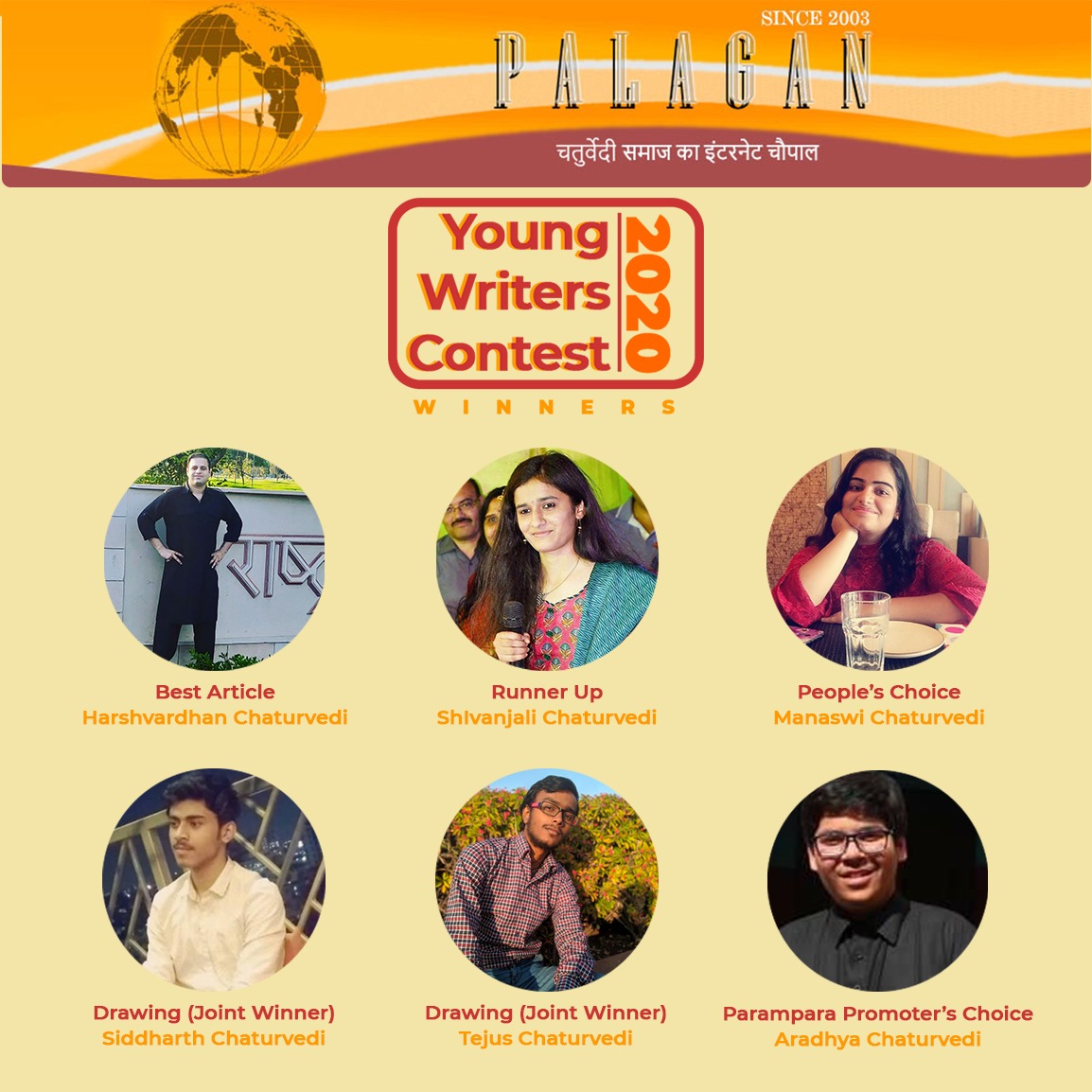
Young writers Contest 2020 - Results
Young writers Contest 2020 - Results
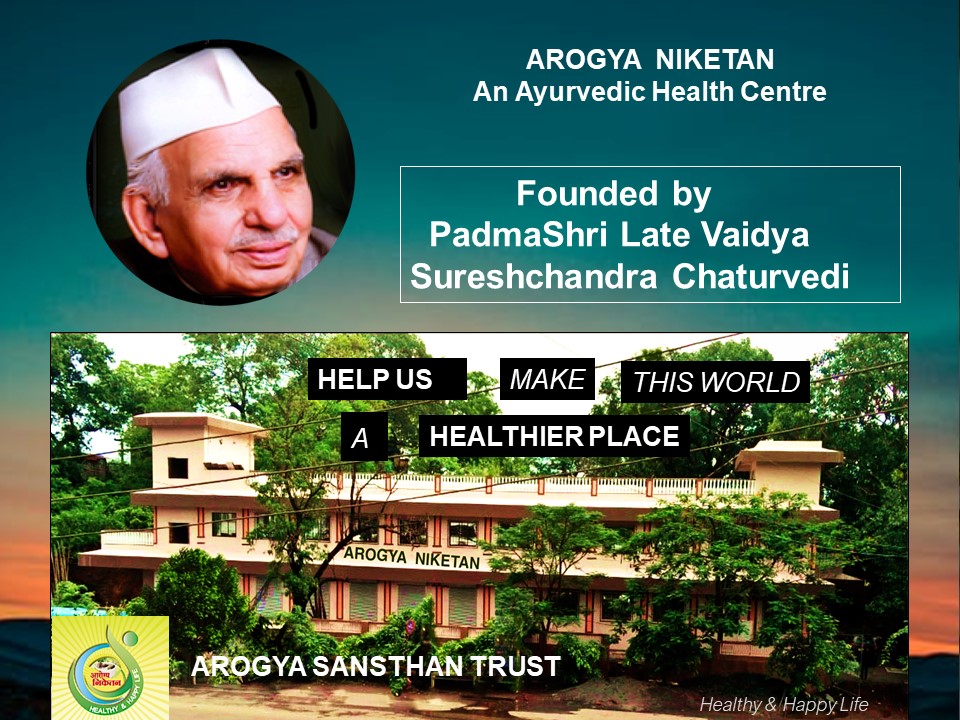
Arogya Niketan : Ayurveda Health Center : Late PadmaShri Vaidya Suresh Chaturvedi
Arogya Niketan : Charitable Services for better health through Ayurveda by Late PadmaShri Vaidya Suresh Chaturvedi : Founder Arogya Sansthan Trust
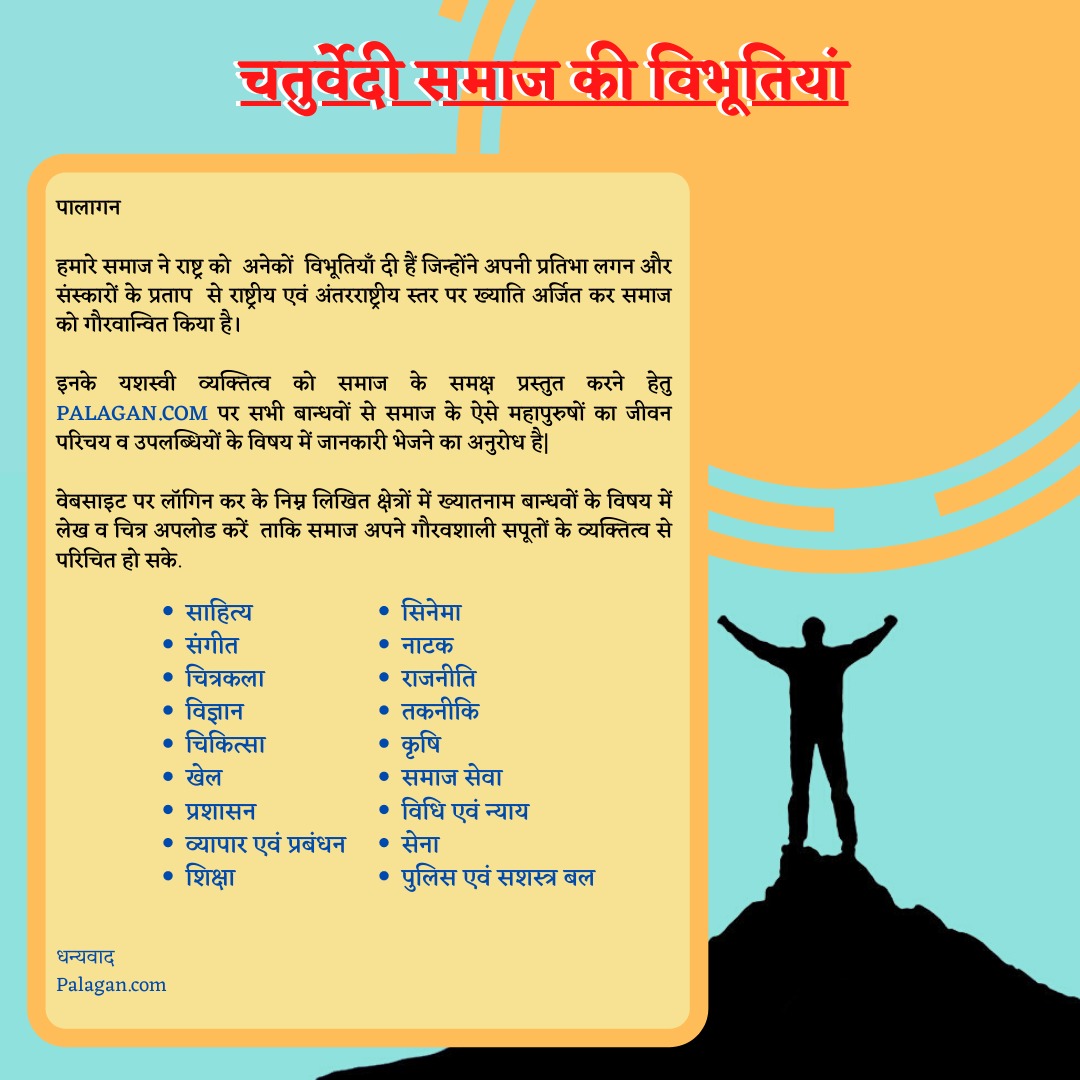
Compilation of The Life and Times of Eminent Chaturvedis
The project to compile Life Sketches of Members of our community wo have contributed immensely to hold the honour of country and community very high.


Mother’s day, the day to celebrate the day of creator
With the times people have started realising that it is not a bad thing if you shed tears while thinking your mother.
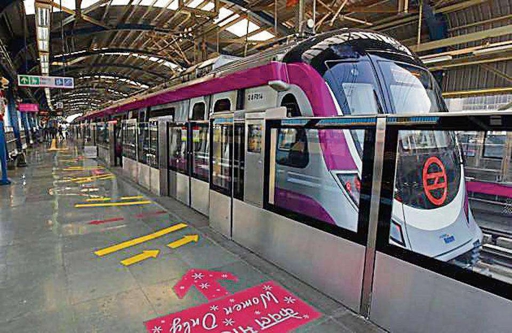
Metro Ride
A keen observation of life inside a Metro train by regular commuter where small details have so much hidden social messaging.
.jpeg)
विज्ञान और भारतीय दर्शन
Modern Physics in Shankhya Darshan

Great Consciousness
The thing about a great realisation is that it flips your perceptions for life, makes you dive into your deep subconscious.


GEN-Z AND RELIGION
It is a rather common misconception to think that religion has to do with god, or gods and supernatural beings or a supernatural or spiritual dimension or greater reality. None of that is absolutely necessary because there are religions that are without those elements.
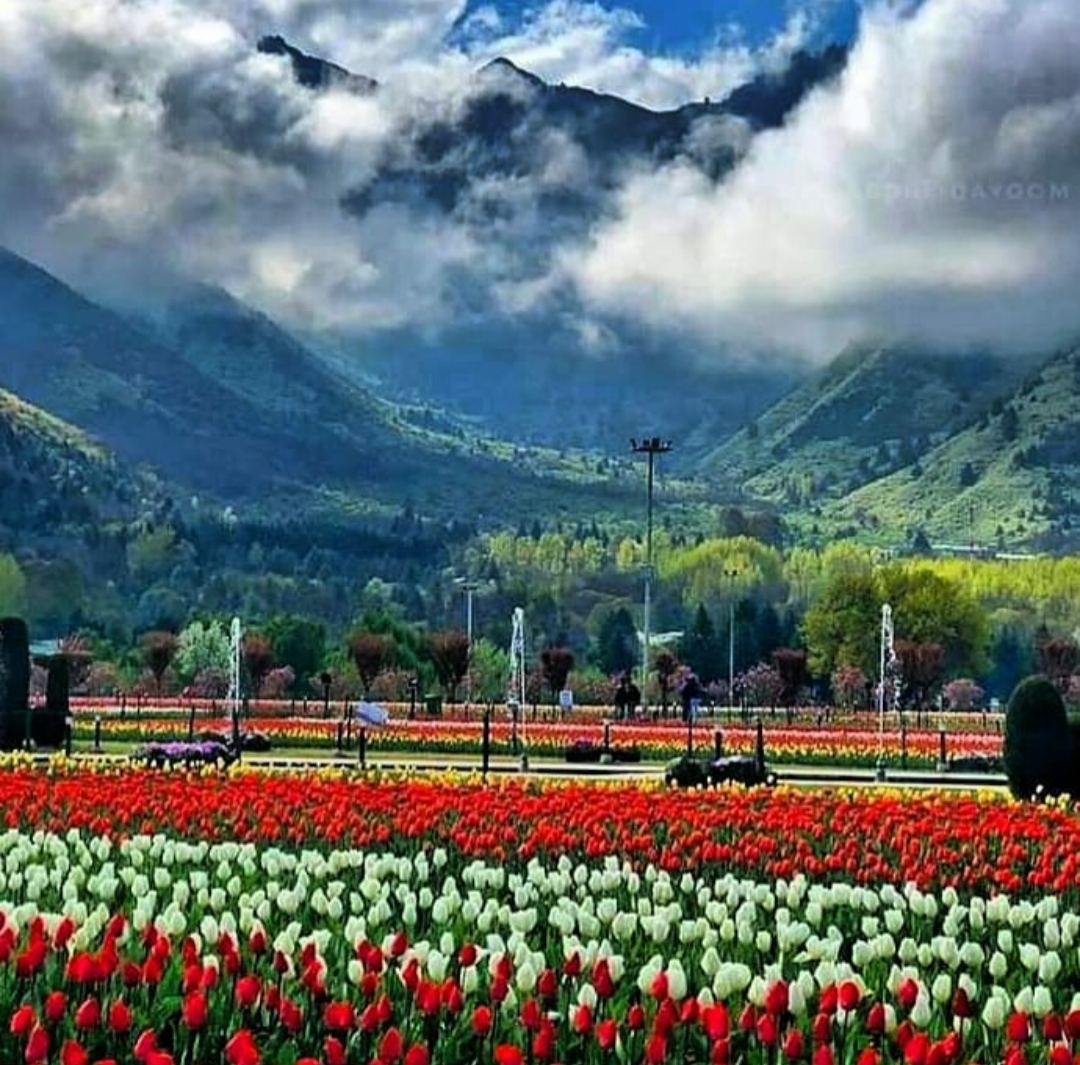
Kashmir: The anecdote of a modern woman
A demon in disguise of suitor (Pakistan)is after her life and has made her life hell. He wants to destroy her, overpower her but look at her kindness, she despite knowing it all, feeds him with water and makes his survival possible.
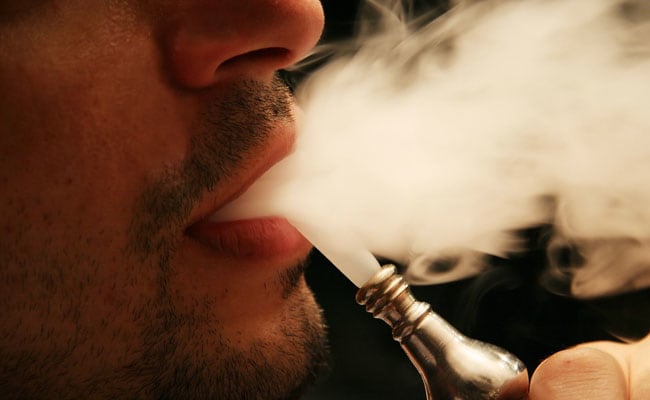
जली को आग कहते हैं, बुझी को राख कहते हैं, जिस राख से फेफड़े कंडम हो, उसे फ्लेवर्ड हुक्के का धुँआ कहते हैं।
Hukka are made to look cool but they kill with impunity. Youngster are being sucked into this vortex of suicidal cult.

Hate Crimes : their nature and laws connected with them
Hate crimes or Bias-Motivated crime as the name suggests are Psychological in nature. This is because Discrimination or Social Bias is a Psychological term. They have a wide range of psychological consequences.

निर्वरतिकरण का पशुओं पर प्रभाव
Deforestation if forcing animals out of their natural habitat posing danger for both these hapless creatures and the mankind

Assault on Press Freedom-"systematic erosion of Democracy"
"Freedom of the Press, if it means anything at all, means the freedom to criticize and oppose." - George Orwell
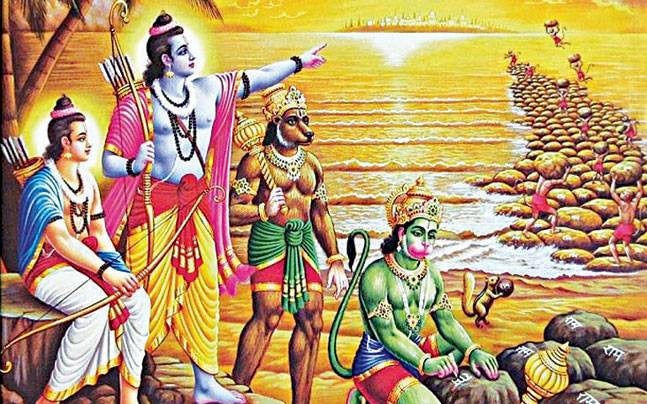
रामायण एवं आज के नैतिक मूल्य
Ramayan has been guiding the mankind from time immemorial. Its call never diminishes on our collective conscience.
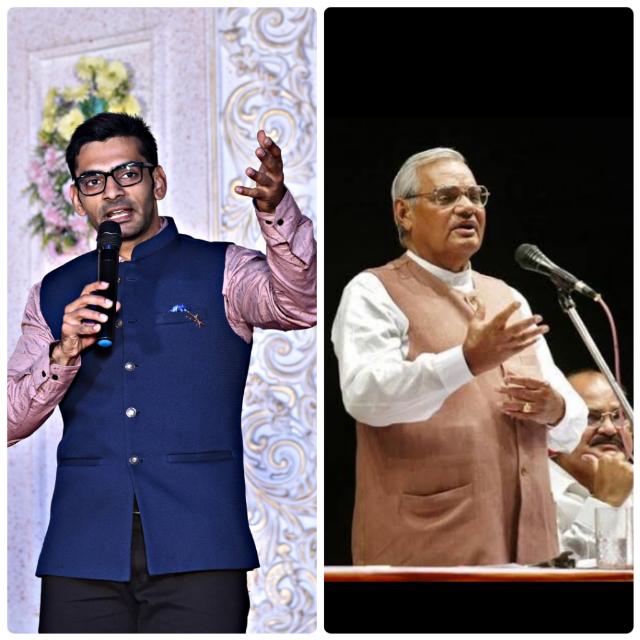
INDIA - THE RESILIENT & THE INDOMITABLE
Battles aren't just won by wars,especially the present one, but they're won by our resilience and indomitable will. And INDIA is a master in it.
India’s Education – A Wake up Call
This article is mainly related to the problems of our education system and how can we as a new generation can take small steps to make this learning journey more memorable for the children
HINDUISM: A WAY OF LIFE
Sanatan Dharm is basically a lifestyle that includes : Humanity, Vegetarianism, Peace, Patience, Forbearance, Self-restraint, Compassion, Honesty, Non-violence, belief in Karma and many more.

Lets make a new beginning . Responsibly.
As we enter a phases of gradual uplifting of lockdown, we must tread with extreme caution. The enemy of mankind is just waiting for us to make mistakes.

Wealth> Health?
Nearly 2900 people died in India during clinical trials of drugs conducted by various pharmaceutical companies from 2005

Depression
As an ivy extracts all the nutrients from the trunk of a tree in the same manner depression extract all the emotions from a person's life
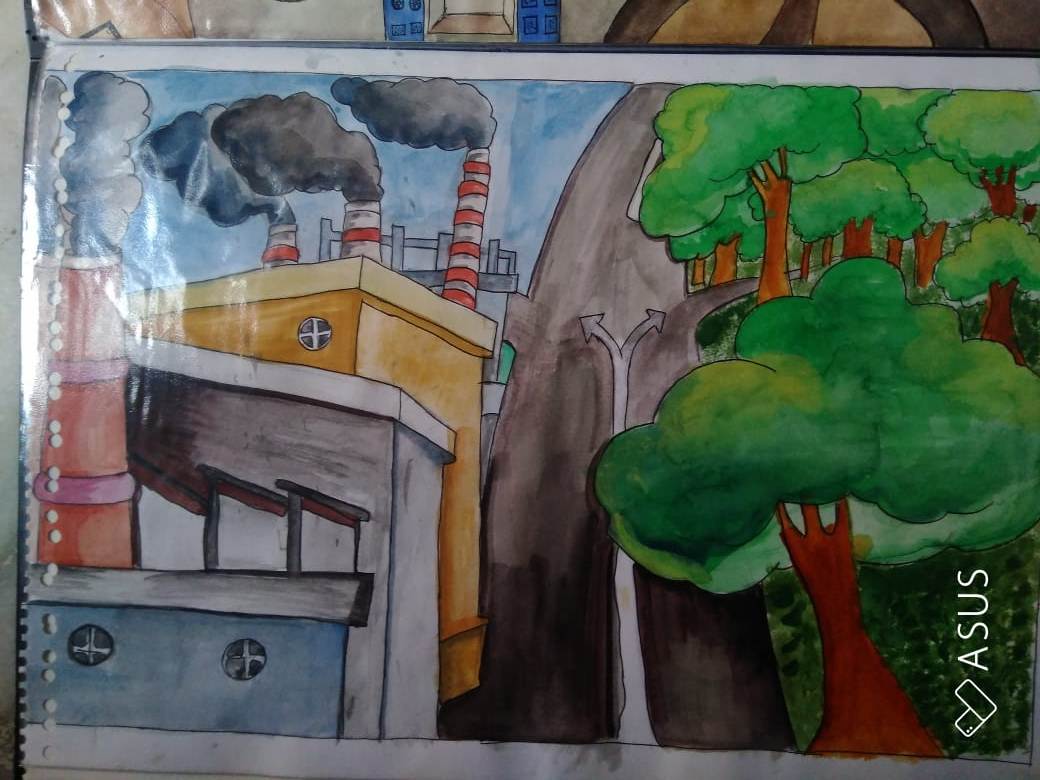

Its a Peoples War on Corona
Every common Indian is working to help the Nation in these difficult times. It truly has become a 'Peoples War'

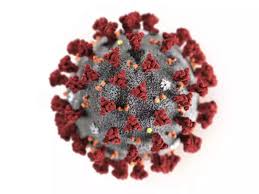
Corona : Its a grim fight but is winnable for sure.
Though numbers are rising but we are still better off. A little more patience and we can win it.
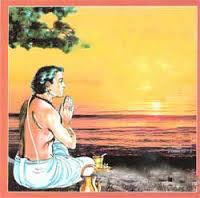
The Real Dharma: A Lost Religion
The Real Dharma: A Lost Religion
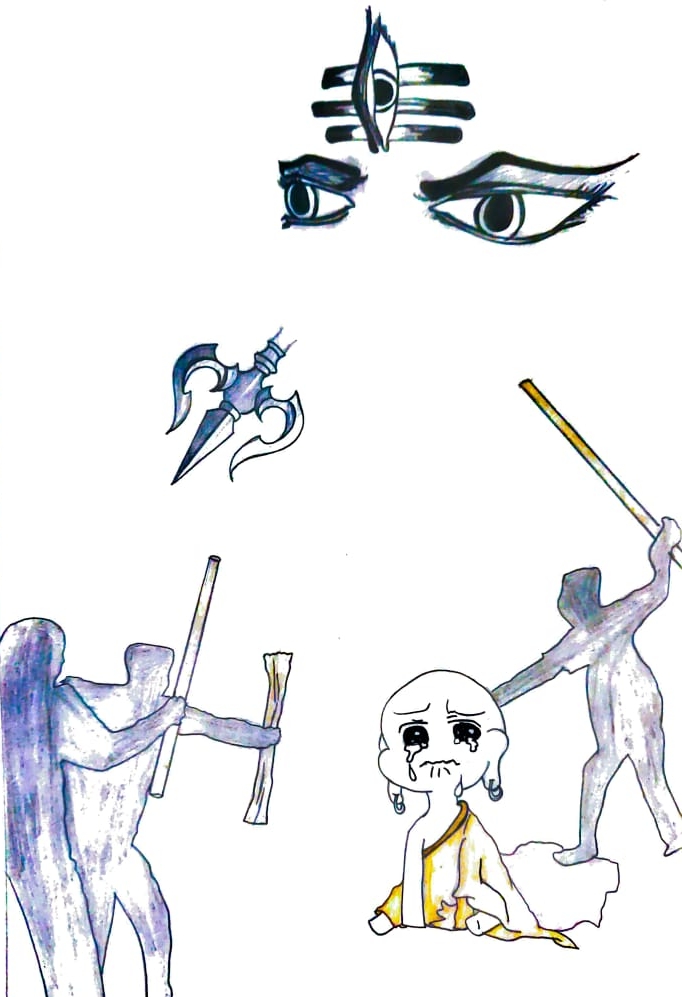
Desparate nations making our fight difficult
Pakistaan, China and member of OIC are working on anti India agenda even in such difficult times.
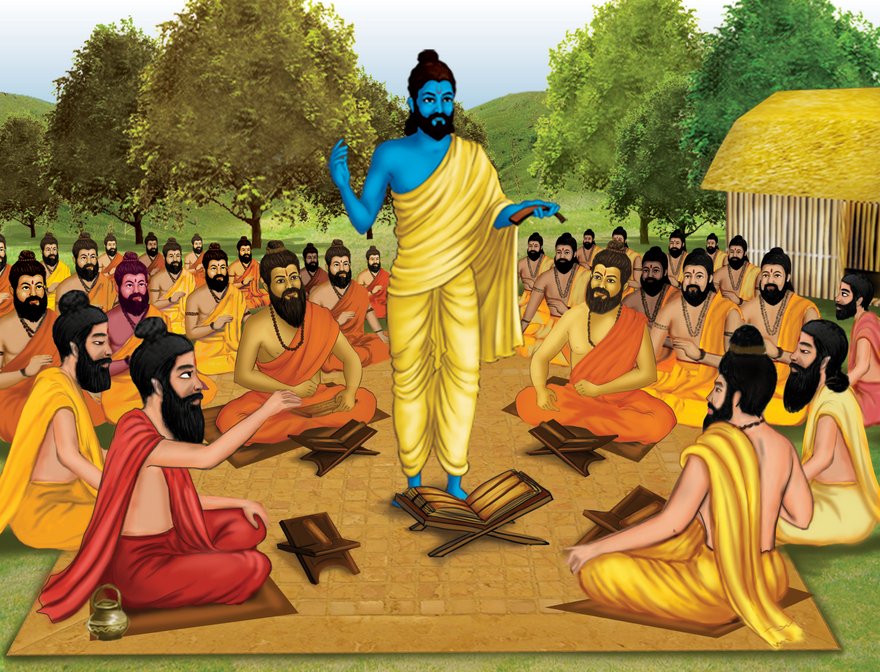
Fighting Pandemic : Lets learn from each other
Our traditional wisdom from time immemorial guides us to learn from all without any man made barriers

Lets keep our vigil high
Internal enemies of the nation are no less deadly than Corona Virus.

Negativity : weakening our fight against Corona virus.
A concerted campaign being orchestrated by the vested interest to show exemplary efforts of Modi Administration in poor light
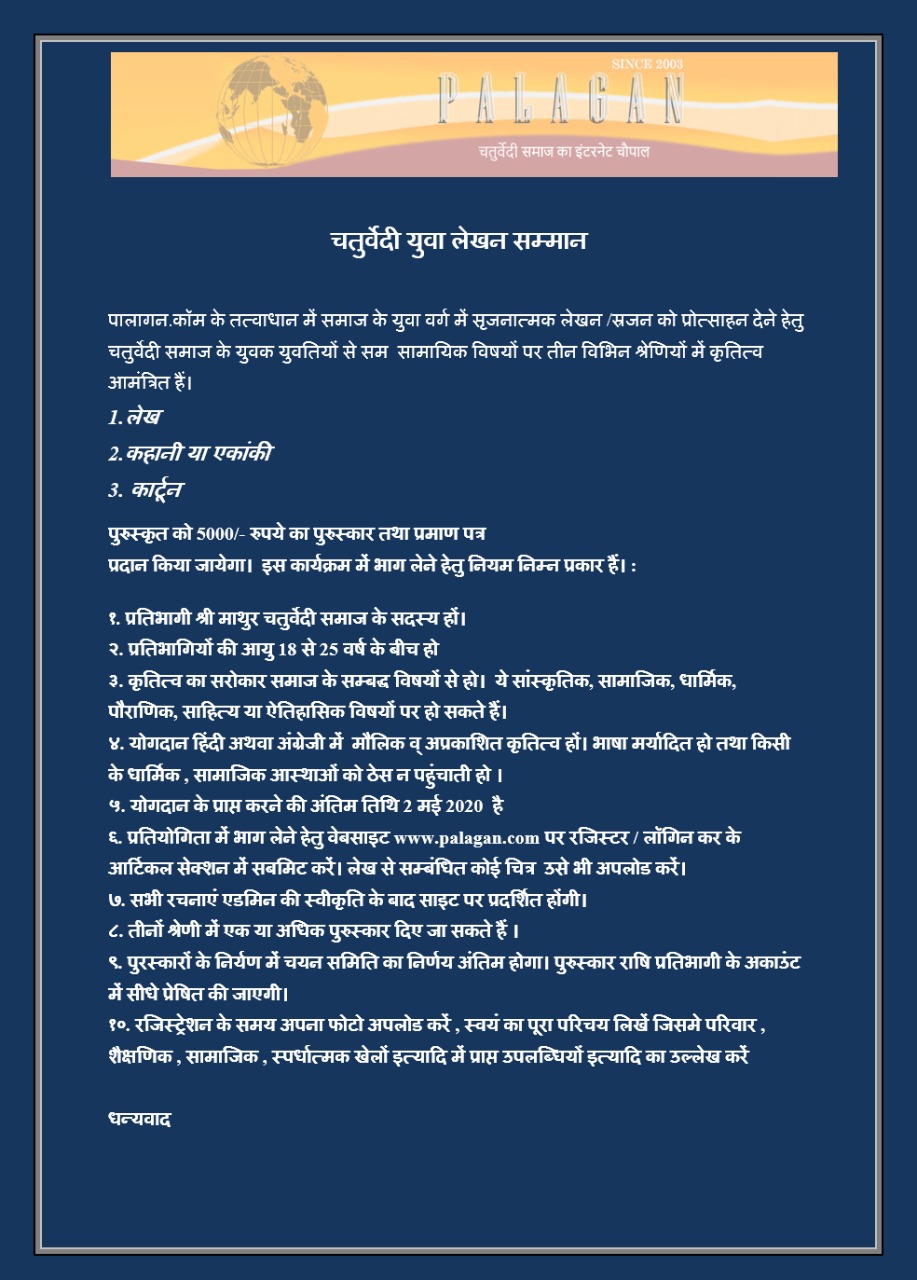
चतुर्वेदी युवा लेखन सम्मान
Entries are invited from Chaturvedi boys and girls to show their creative acumen and win prize(s)
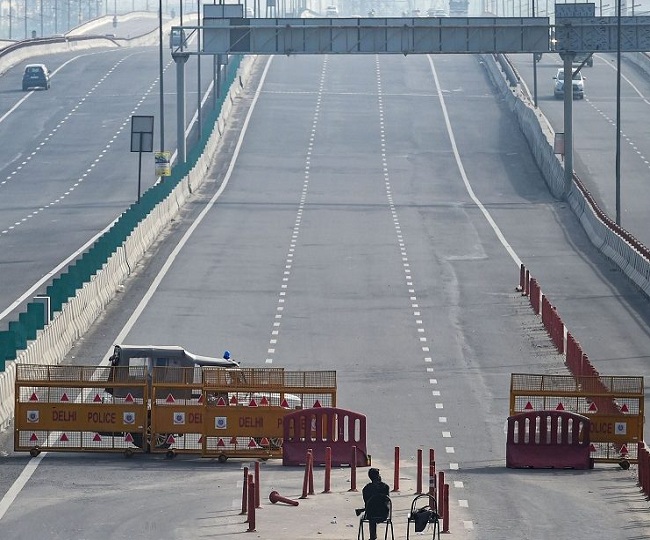
Lockdown is not a comma, its a full stop.
Nations all over the world are turning the tide of Corona virus with Lockdown and a firm resolve. To its no solution is not maturing

Moradabad Shame : Let the nation fight Corona with full vigor
When Narendra Modi administration is asking all hands on the deck , what we witnessed in Moradabad is utter shame
Sambhav of Vaaranasi gets booked for accomodating a Chinese Student
Sambhav of Vaaranasi gets booked for accomodating a Chinese Student
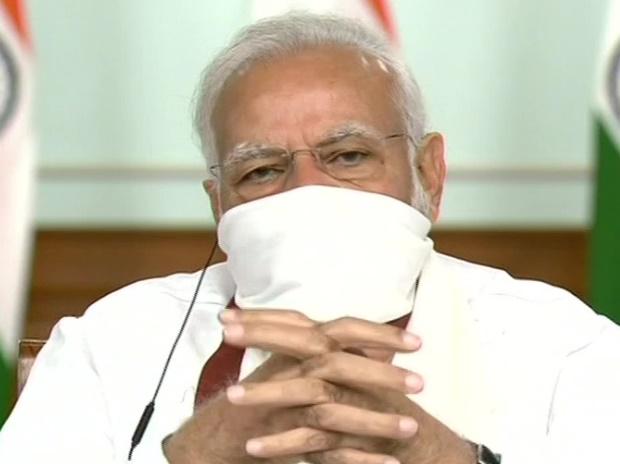
"Jan bhi , Jahan Bhi " : The prudent Governance.
Modi Government's decision to balance safety with controlled business activity calls for appreciation for prudence.
Dr SK Chaturvedi On social aspects of Corona
Dr SK Chaturvedi On social aspects of Corona
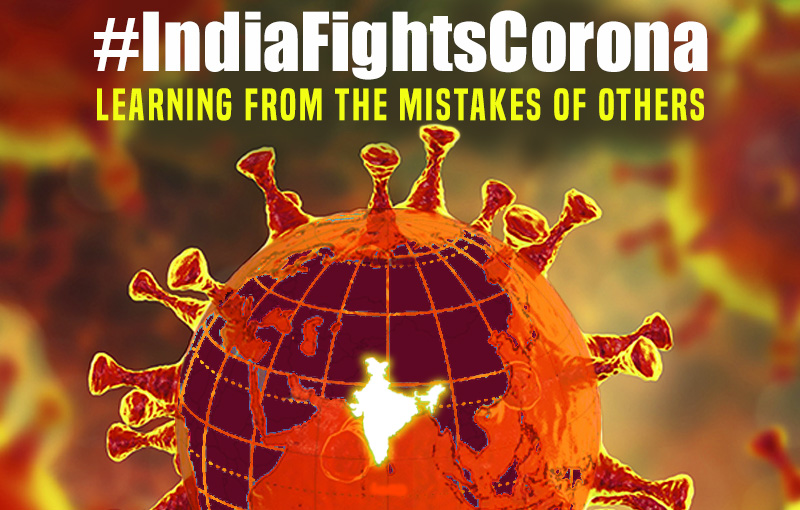
#IndiaFightCorona
How Indians are fighting the pandemic of Corona virus as one team
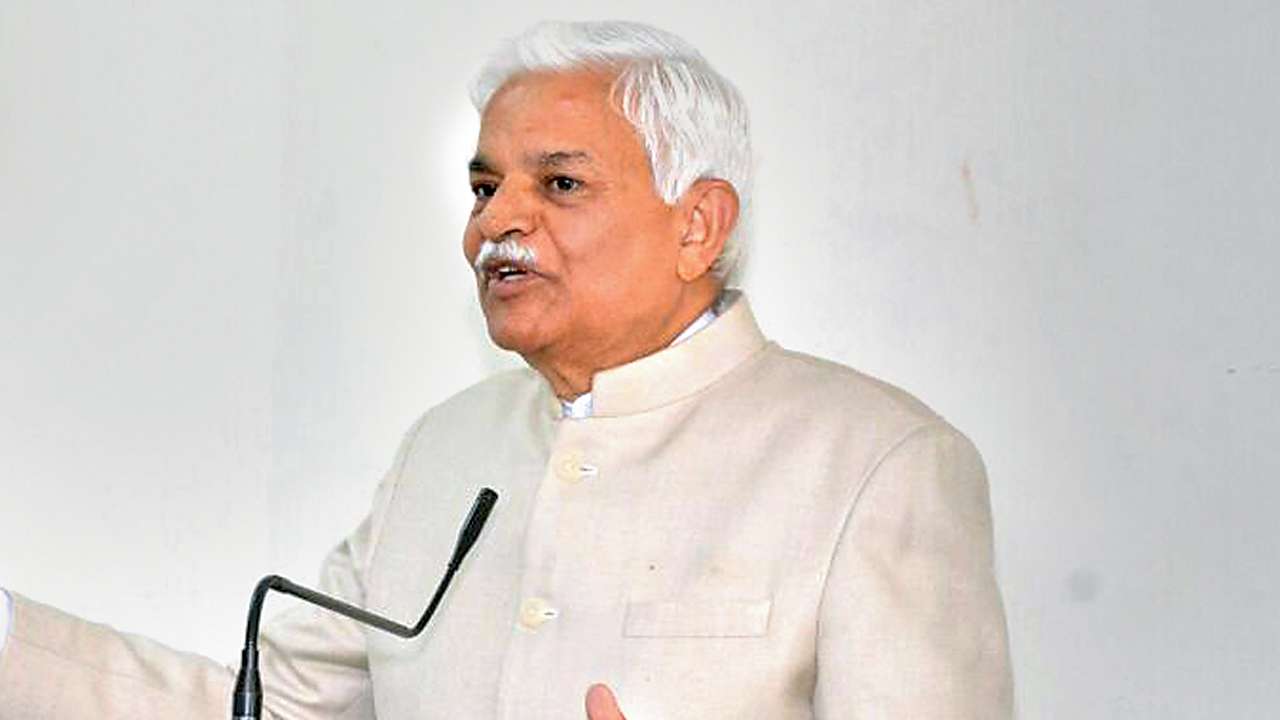
Time to define the Fundamental Duties.
Time has now come that our law makers have to take a call ,that we amend the constitution and define the fundamental duties for every Indian
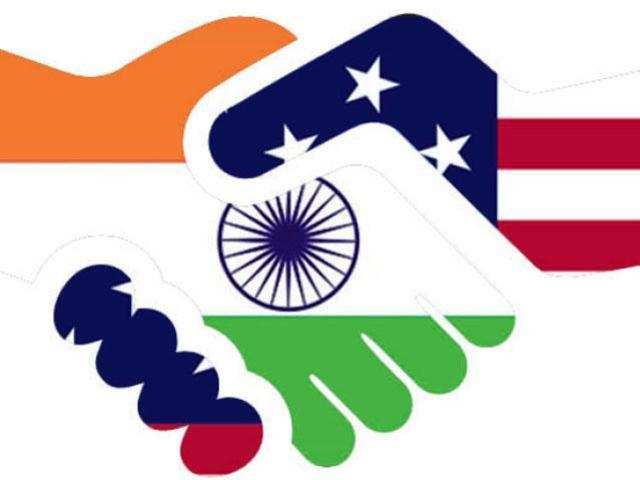
India helps US in the critical hour
Modi administration takes a big decision to help US in the war against Covid Virus.
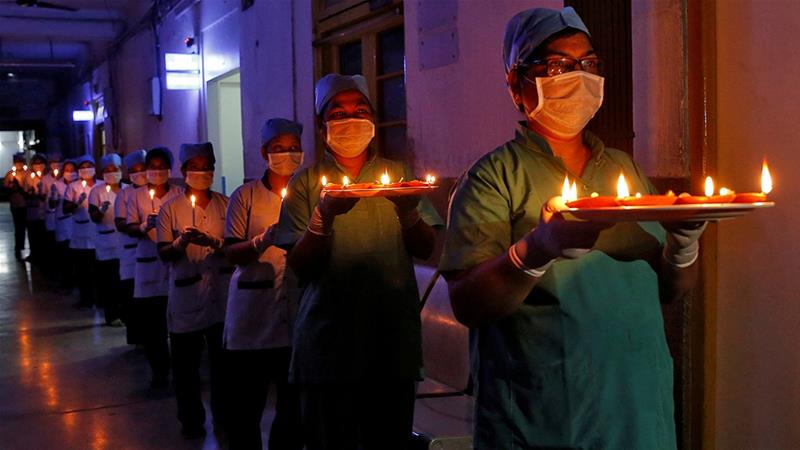


Irresponsibility or Sabotage ?
Irresponsibility or Sabotage ?
Blessed are those who heed
Blessed are those who heed
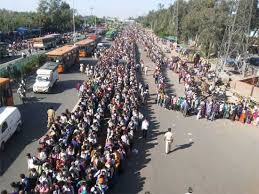

Your only weapon in this war - Stay cheerful.
Your only weapon in this war - Stay cheerful.
Lockdown - Self quarantine
Lockdown - Self quarantine
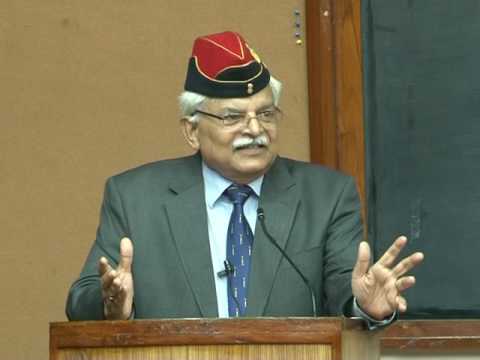
We must fight it out together
Blog by Lt Gen V K Chaturvedi on nations fight against Corona virus
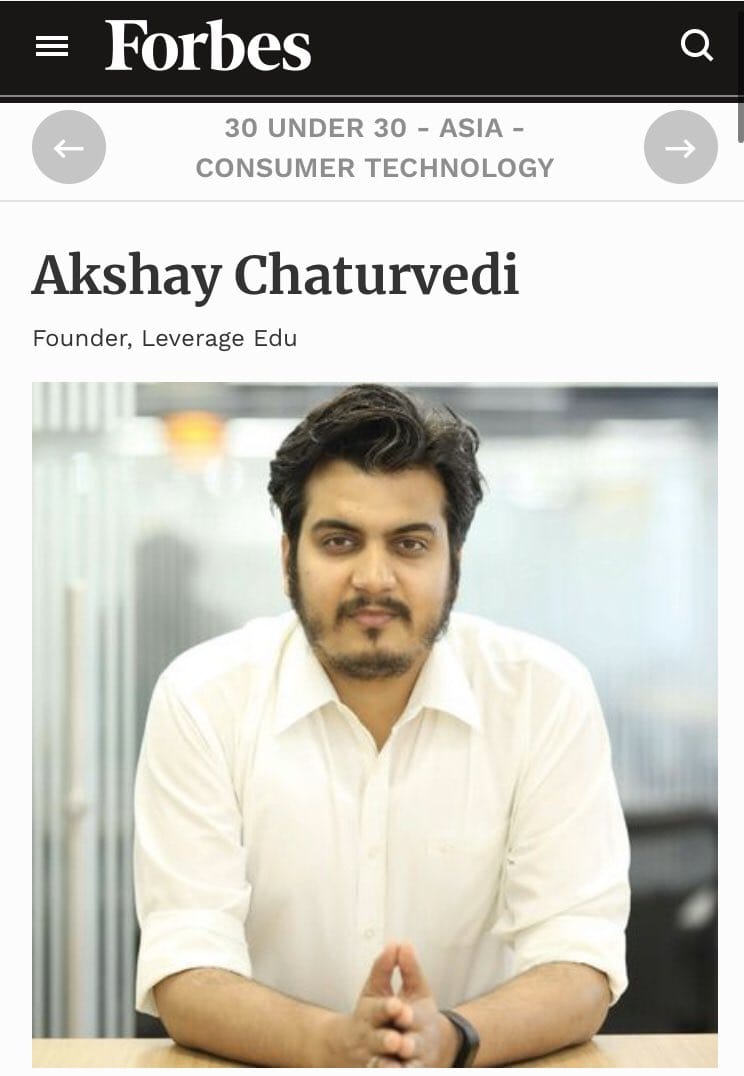
Akshay Chaturvedi named Achiever under 30 by Forbes
Akshay Chaturvedi named Achiever under 30 by Forbes
वसीयतनामा : एक पारिवारिक दायित्व एवं कर्तव्य
Will Writing is a duty and responsibility we owe to our dear ones

Interview with Vibha Chaturvedi , Mrs Universe of Destination 2020
Vibha has recently won the coveted beauty pageant . She shares her moments of glory with Palagan.com

The Real Wani - Kashmir's True Hero Book by Sonal Chaturvedi
The Real Wani - Kashmir's True Hero Book by Sonal Chaturvedi
होली आई रे
Holi in Hindi movies through the ages
क्या ऐसी सुबह चाहते हैं हम सभी ?
A reflection on our times and acute urban existential crisis
ब्राह्मण गोत्र,प्रवर,वेद,उपवेद,शिखा,सूत्र,पाद,देव इत्यादि का समस्त विप्र वर्ग हेतु अनिवार्य रूप से जानने वाला फिनोमिनल ज्ञान
In-depth information about traditions among Brahmins and why one must know it.
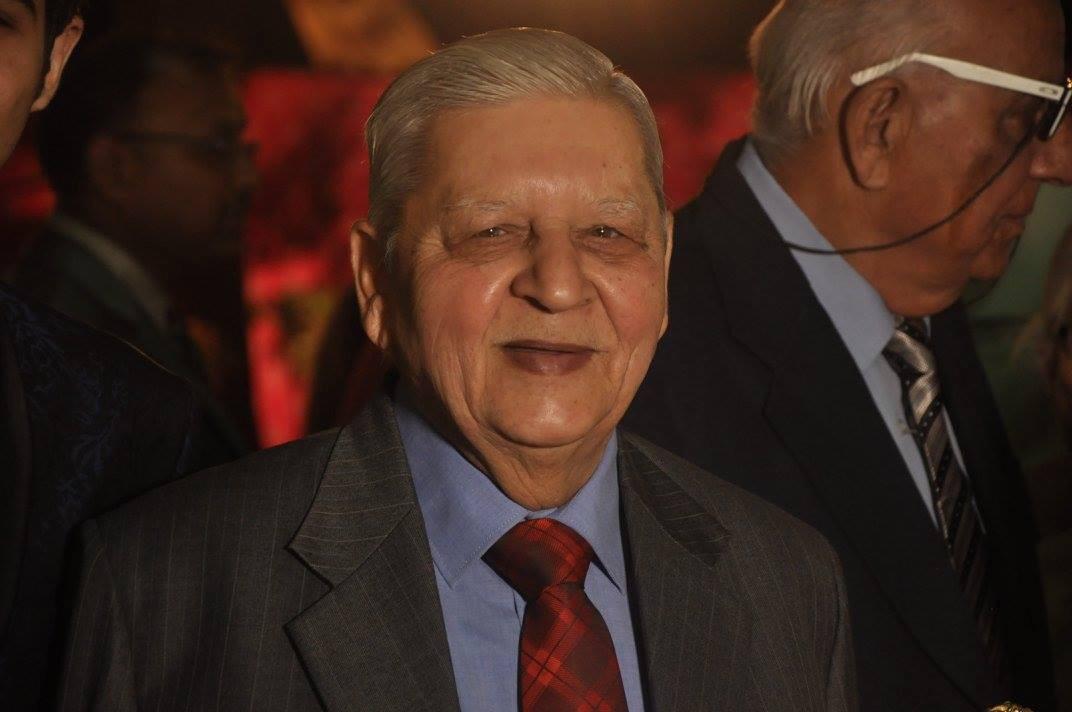
शादी के बिचौलिए
Shadi Ke Bichauliye

Manjari Chaturvedi Kathak Exponent on Project Courtesan
Manjari Chaturvedi Kathak Exponent on Project Courtesan
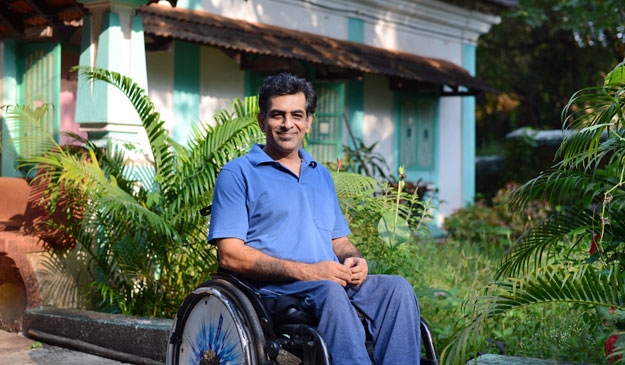
Salil Chaturvedi gets honoured with Hindi Sewa Samman
Salil Chaturvedi gets honoured with Hindi Sewa Samman
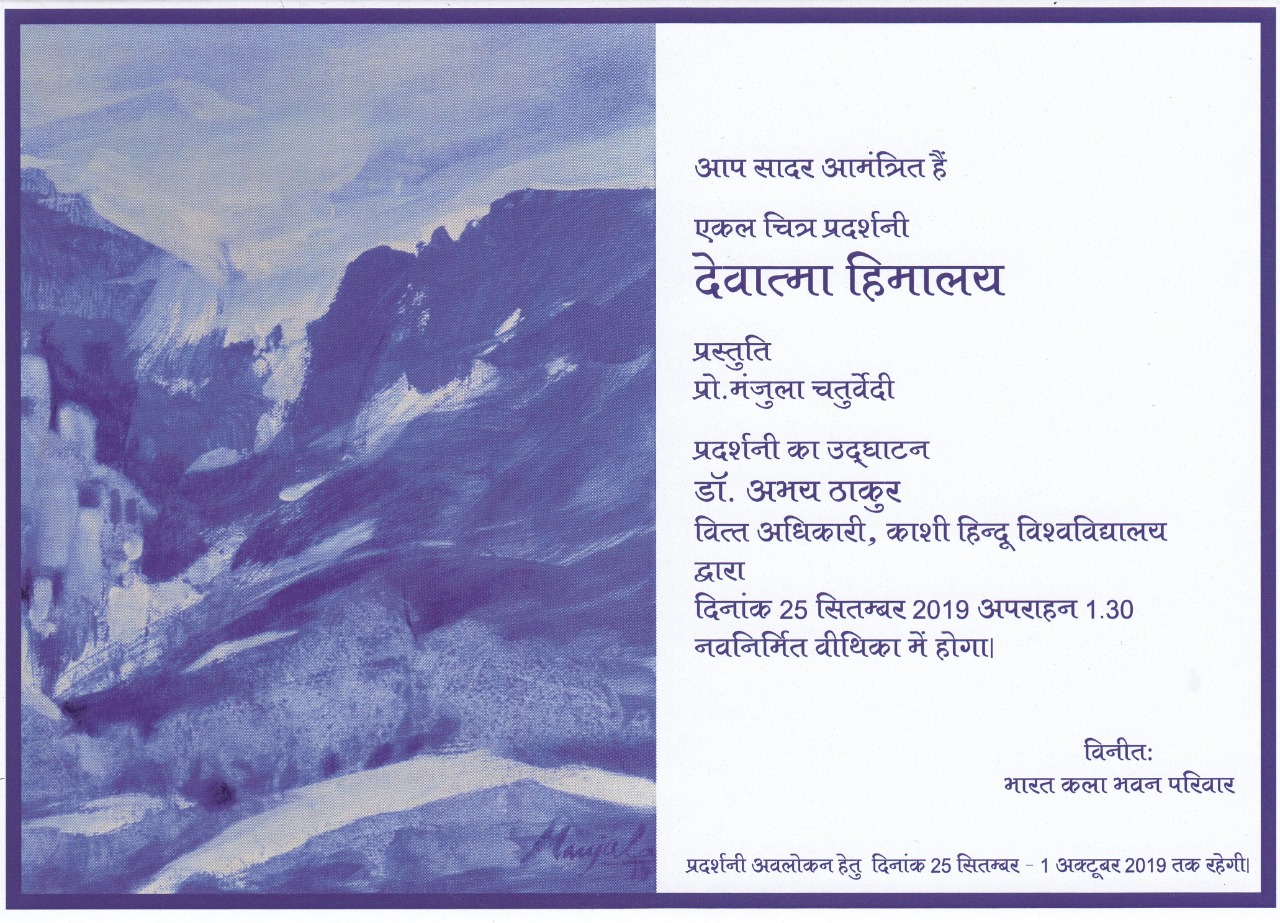
एकल चित्र प्रदर्शनी
??? ????? ?????????

Prerna Chaturvedi CEO and Promoter Evolet launching new electric vehicle in India
Prerna Chaturvedi CEO and Promoter Evolet launching a new electric vehicle in India
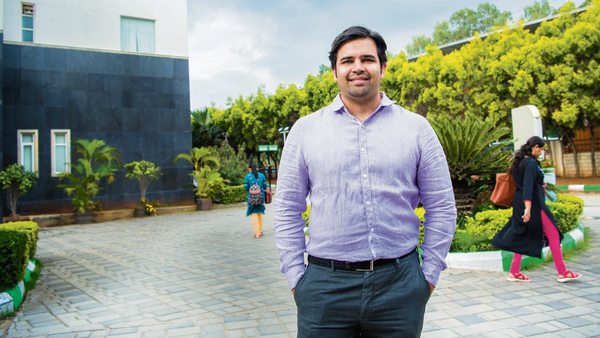
Dr Jagdish Chaturvedi, Bangalore invents over 20 devices to save lives
Dr Jagdish Chaturvedi, Bangalore invents over 20 devices to save lives

Dr Surbhi Chaturvedi get her Doctorate in Medicine Neurology
Dr Surbhi Chaturvedi get her Doctorate in Medicine Neurology
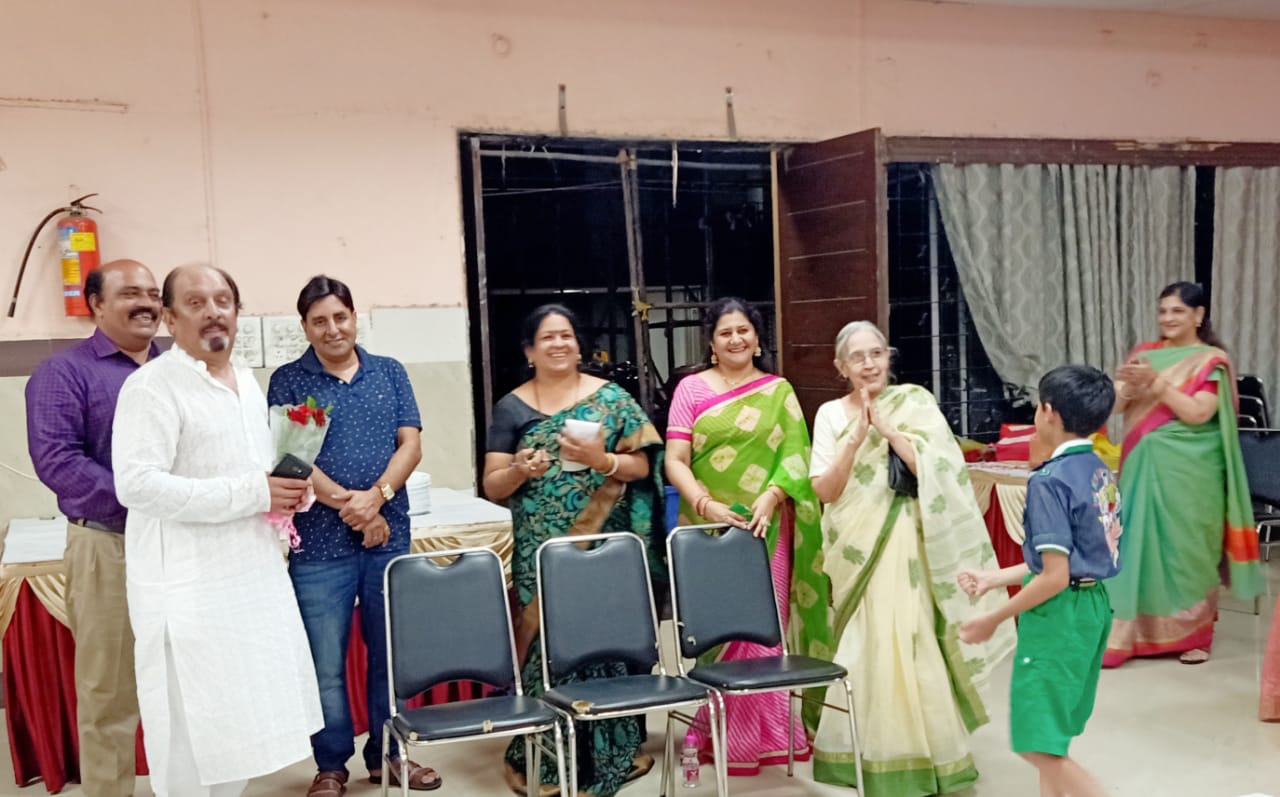
Arun Chaturvedi is the new President of Nagpur Chaturvedi Sabha
Arun Chaturvedi is the new President of Nagpur Chaturvedi Sabha
Ratnakar Chaturvedi walks 3000 KMs from Gangotri to Rameswaram
Ratnakar Chaturvedi walks 3000 KMs from Gangotri to Rameswaram
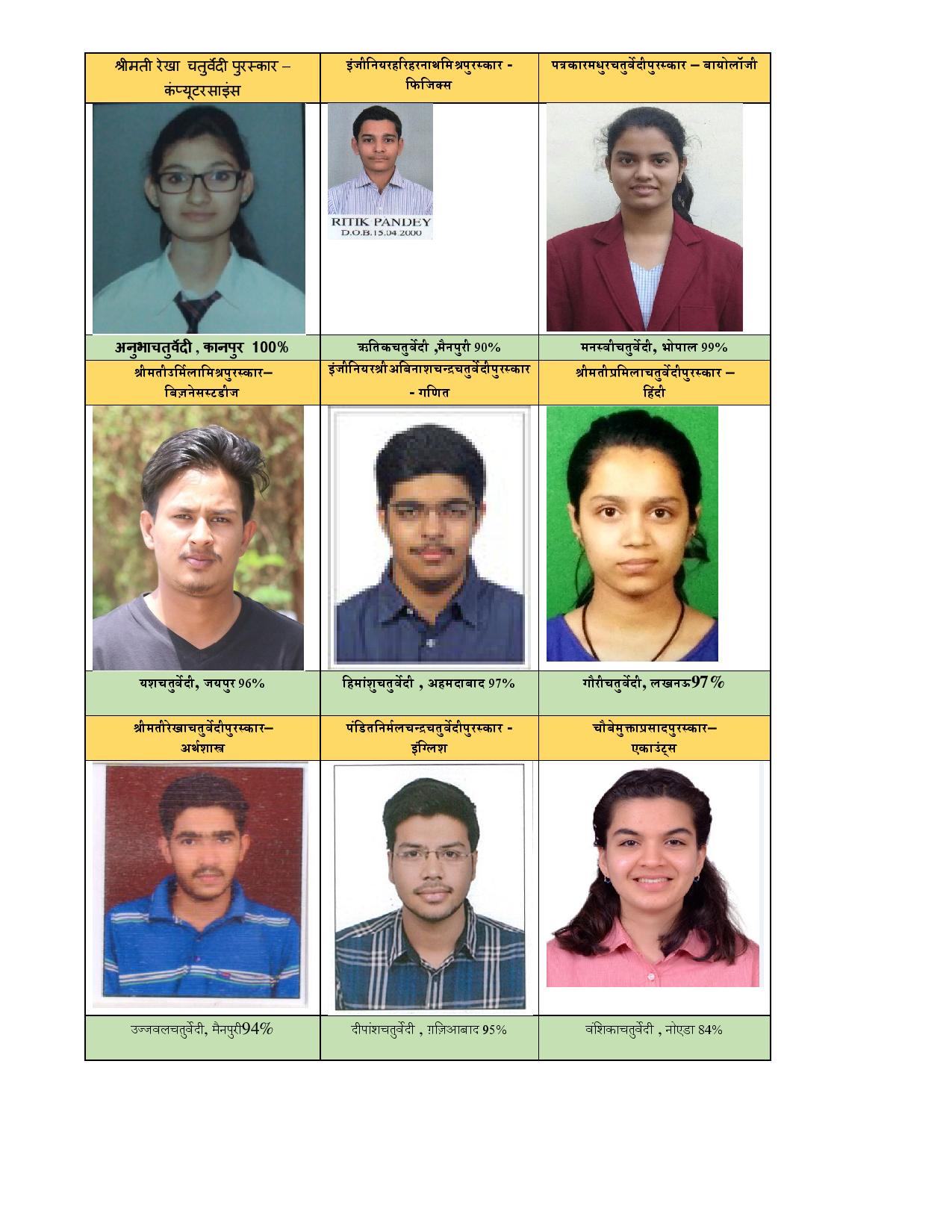
Meritorious Students 2018
Meritorious Students 2018
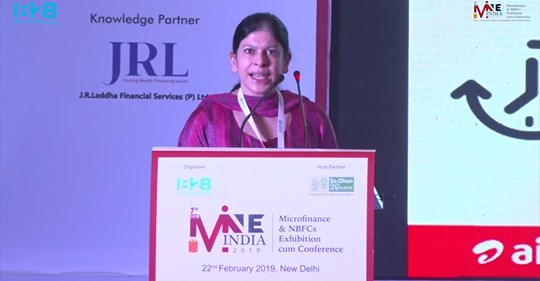
Noopur Chaturvedi Nea country head of small and medium businesses, PayU India
Noopur Chaturvedi Nea country head of small and medium businesses, PayU India
Himanshu Chaturvedi on India WC loss.
Himanshu Chaturvedi on India WC loss.
Sufi-kathak dance form creator Manjari Chaturvedi writes about her connect with Lucknow
Sufi-kathak dance form creator Manjari Chaturvedi writes about her connect with Lucknow
CONSUMERS LEAVE A TRAIL ACROSS DIGITAL TOUCH POINTS IN THE CUSTOMER JOURNEY, AND REVEAL WHO THEY ARE.
CONSUMERS LEAVE A TRAIL ACROSS DIGITAL TOUCH POINTS IN THE CUSTOMER JOURNEY, AND REVEAL WHO THEY ARE.
Pooja Chaturvedi incredibly talented singer gives a soulful performance
Pooja Chaturvedi incredibly talented singer gives a soulful performance
https://www.ibtimes.co.in/siddhant-chaturvedi-proves-he-jack-all-trades-by-performing-bottlechallenge-style-video-800894
Siddhant Chaturvedi wins heart by accepting the #Bottlecapchallange
Nidhi Chaturvedi dies in tragic road accident
Nidhi Chaturvedi dies in tragic road accident
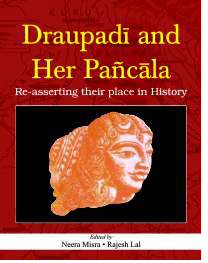
Draupadi and her Pañcala : Book launch by Dr. Neera Misra
Draupadi and her Pancala : Book launch by Dr. Neera Misra
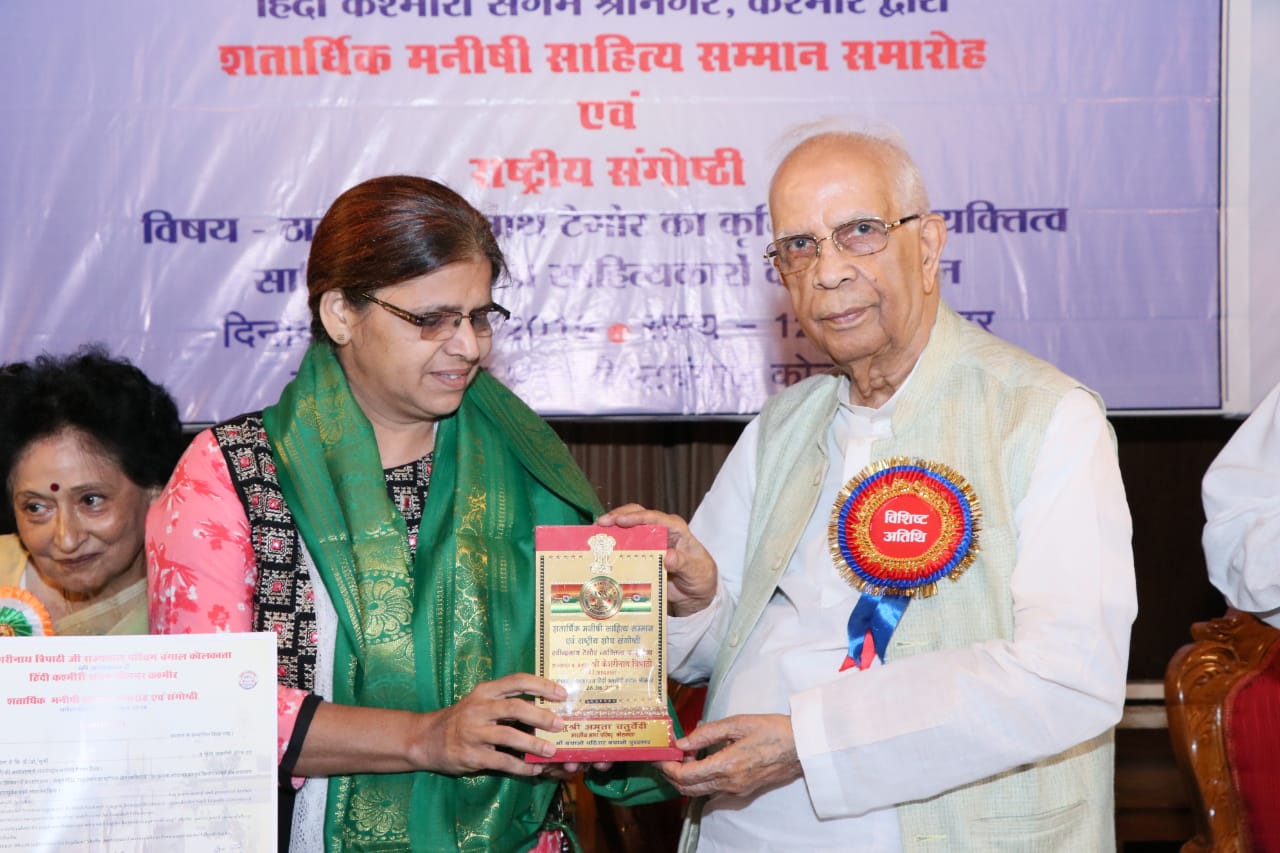
अमृता (चंचल) चतुर्वेदी का महामहिम द्वारा सम्मान
????? (????) ????????? ?? ??????? ?????? ??????
Pre-budget quote by Mr. Jitendra Chaturvedi, Director & Co-Founder, Batooni Mobile Advertising
Jitendra Chaturvedi on budget
THE COURTESAN PROJECT
The dance of the Courtesan...a forgotten era...the baithki abhinaya... A dance set to an imagination where a song is being sung for the "muse", the Tawaif...
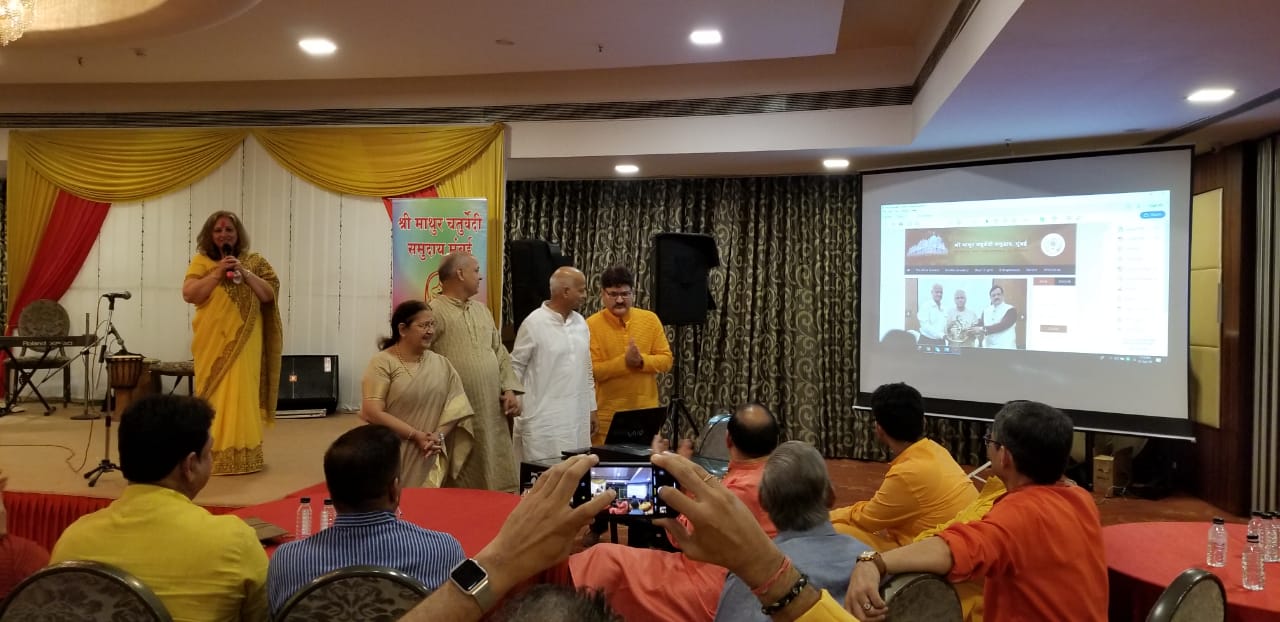
launch of Shri Mathur Chaturvedi Samuday Mumbai website in the presence of president Subhash ji & Ex. President Induji and Ambuj ji by Pratima chaturvedi
launch of Shri Mathur Chaturvedi Samuday Mumbai website in the presence of president Subhash ji & Ex. President Induji and Ambuj ji by Pratima chaturvedi
.jpg)
You can now read Vedas, Brahmanas, Aranyakas, Upanishads Vedangas online.Started by Gov of India.Kudos to Gov.
You can now read Vedas, Brahmanas, Aranyakas, Upanishads Vedangas online.Started by Gov of India.Kudos to Gov.
.jpg)
Sufi-Kathak exponent Manjari Chaturvedi explains why the tawaif culture needs to be given due credit.
Rallying for the courtesan
Sanjay Chaturvedi informs they are looking to disburse 1000 Cr in loans by March 2020
We are looking to disburse loan worth Rs 1,000 crore by March 2020: Sanjay Chaturvedi, CEO, Shubham Housing
PM Modi's interview to Prabhat Khabar
?? ???? ?? ???? ??? ?? ???? ?? ?? ???? ??. ???????, ??? ???? ???? ??? ???? ??? ?? ????? ?? ???-??? ????? ?? ????? ??? ?? ?????? ????, ?? ??????? ??. ???? ?? ? ???? ??, ? ????????, ????? ????? ?? ???? ??? ???? ???? ??. ???? ?? ?? ?????-????? ?? ????? ?? ??- ????? ?? ???? ??. ??? ????? ?? ????? ?? ??? ?????????? ?????? ?? ?????? ?? ??? ?????? ??? ?? ??? ??. ?? ??? ??? ??? ???? ?? ??? ???,
Feed from WhatsApp