
.png)
1. Cyber fraud has become one of the biggest threats in everyday life. Why do you think even educated and tech-savvy people are falling victim to online scams?
Cyber fraud today is no longer limited to crude lottery messages or obvious fake calls. Scams have become psychologically sophisticated: task scams promise easy money for liking reels, fake police calls create panic about a family member, and job scams exploit desperation by demanding “refundable” deposits. These frauds target fear, greed, urgency and trust, not merely technical ignorance.
Even vigilant users fall victim because modern scams use forged identities, leaked personal data and organized networks that make fraudulent contact appear genuine. Courts have recognized that these offences cause systemic harm, especially where institutions fail to maintain adequate safeguards. While individuals must practise cyber hygiene, banks, platforms and data fiduciaries also owe a duty of care under applicable law and rules.
2. As someone from Generation Z, how do you see cyber risks evolving for young people? Are there mistakes that your generation commonly makes online?
Gen-Z is hyper-connected, using multiple devices and platforms constantly. The main risks have moved beyond simple phishing to identity exploitation, deepfakes, algorithmic manipulation and misuse of digital footprints.
Over-sharing and privacy: Young users often disclose personal data casually. Even with the Digital Personal Data Protection Act, 2023, voluntary disclosure can expose users to profiling, impersonation and deepfake misuse.
Illusion of anonymity: Posts, chats and shares can become permanent digital evidence. Cyberbullying, illegal sharing and privacy violations can attract liability under the Information Technology Act, 2000.
Trusting digital identities: Fraudsters now use AI voices, fake profiles and familiar interfaces to appear trustworthy. Gen-Z must verify identity outside the platform before sharing money, credentials or private information.
Common mistakes: granting unnecessary app permissions, reusing passwords, ignoring two-factor authentication and treating online spaces as consequence-free. The best safeguard is digital literacy: scrutinise every online action as carefully as a legal document.
3. What are the most common digital frauds you are currently seeing in India—such as UPI scams, fake investment schemes, OTP frauds, job scams, or phishing links? Which should people be most alert to?
The most common frauds in India exploit instant payments and social engineering. People should be especially alert to UPI requests, phishing links, OTP traps, fake jobs and investment schemes.
1. UPI and QR-code scams: Fraudsters pose as buyers and send QR codes or payment requests. Remember: if you enter a UPI PIN, you are authorising payment. You never need a PIN to receive money.
Under RBI principles, customer liability often turns on whether the user shared credentials or delayed reporting. Banks usually become liable only after timely reporting, unless there is proven deficiency on their part.
2. OTP and phishing frauds: Victims are tricked into clicking links, downloading remote-access apps or sharing OTPs. Consumer fora have repeatedly treated sharing OTP/payment credentials as customer negligence unless bank fault is shown.
3. Investment and job scams: Fraudsters offer fake jobs or high-return schemes, allow small withdrawals to build trust, then disappear after larger deposits. These may involve cheating, forgery and fake electronic records, but recovery is difficult once money moves through mule accounts or overseas networks.
Be most cautious about: any request requiring OTP, UPI PIN, remote access, urgent payment or “too good to be true” returns.
What can you do? Report immediately to your bank and to 1930/cybercrime.gov.in. Preserve transaction IDs, screenshots and messages. Verify links by visiting official websites directly rather than clicking links received on SMS or WhatsApp.
4. Many people panic when someone threatens to leak their personal photographs, videos, or social media data. What should they do immediately, and what should they never do?
Threats to leak personal photographs, videos or social media data can be deeply distressing. The first step is to stay calm and remember that you are the victim of extortion, criminal intimidation and possible privacy violations. Do not let fear make you act against your own interest.
Do immediately: save all evidence, including screenshots, usernames, numbers, payment demands and chat history. Report the matter on cybercrime.gov.in/1930 and to the local police or cyber cell. Change passwords, enable two-factor authentication and warn trusted people if the blackmailer names them.
Never do: do not pay, negotiate, delete evidence, warn the offender that you have complained, or try to handle a physical confrontation yourself. Paying usually encourages further extortion.
Victims are entitled to legal protection and dignity. Police can register an FIR for cognizable offences, and authorities can ask platforms to remove or disable unlawful private content. Most importantly, the victim is not alone and should seek help quickly.
5. If a person’s bank account has been compromised or money has been fraudulently transferred, what are the first three steps they should take in the first hour?
In a fraudulent transfer, time matters most. The first hour is the “golden hour” to freeze funds before they move through mule accounts.
1. Freeze the account/card immediately: use the banking app or official customer care number from your statement. Obtain a complaint/reference number as proof of reporting.
2. Report to 1930/cybercrime.gov.in: the portal connects to bank nodal officers and can trigger a hold request on the recipient account if reported quickly.
3. Preserve transaction evidence: keep screenshots, UTR/transaction ID, messages, call logs and app notifications. These help banks and police trace the money.
Liability note: RBI norms generally protect customers who report unauthorized transactions promptly, especially within three working days, unless the loss was caused by customer negligence such as sharing PIN/OTP.
6. How effective are India’s cyber laws today in protecting ordinary citizens? Are victims generally able to recover their money or see the offenders brought to justice?
India’s cyber law framework is strong on paper and is evolving rapidly, but recovery and prosecution remain mixed for ordinary citizens.
The Information Technology Act, 2000, the Bharatiya Nyaya Sanhita, 2023 and the BNSS, 2023 classify many cyber offences as serious and cognizable. For financial victims, the RBI customer-protection framework is often the most practical shield. Courts have recognized that timely reporting can limit customer liability where there is no negligence.
The main challenges are anonymity, VPNs, mule accounts, cross-border operations and limited investigative capacity. Monetary recovery is more likely when victims report immediately through 1930 and the bank. Conviction of offenders is harder, but not impossible, especially when evidence is preserved and complaints are filed early.
In short, the law is a powerful shield, but it works best for citizens who act quickly, avoid sharing credentials and document every step.
7. Parents are increasingly worried about children’s online safety. What practical advice would you give families to protect children from cyber bullying, identity theft, and online exploitation?
Children’s online safety requires technical controls, open communication and quick reporting. Parents should treat online risk as seriously as physical-world risk.
1. Set digital boundaries: use parental controls, restrict age-inappropriate apps, set screen-time limits and review privacy settings.
2. Teach identity hygiene: children should not share real names, school details, phone numbers, addresses, location-tagged photos or private images in public chats.
3. Apply the stranger rule: anyone met online is a stranger, even if they appear friendly or familiar. Online grooming and enticement can attract legal consequences under cyber and child-protection laws.
4. Keep communication open: never make the child fear punishment for reporting cyberbullying, threats or inappropriate contact. Early disclosure is the best protection.
5. Watch for warning signs and report: secrecy, sudden fear, irritability or reluctance to use devices may indicate bullying or grooming. Preserve screenshots and report harmful content to cybercrime.gov.in or emergency/child helplines where appropriate.
8. Social media has become an integral part of our lives. What privacy settings and digital habits should every person adopt to reduce the risk of hacking and misuse of personal information?
Treat social media accounts as digital assets. Weak privacy settings and careless habits can expose you to hacking, impersonation and identity theft.
Privacy settings: keep profiles private, review followers/friends, restrict tagging, disable location sharing and avoid exposing personal routines or workplace details.
Account security: use unique passwords, a password manager and authenticator-app-based MFA. Avoid SMS-only authentication where possible because of SIM-swap risks.
App permissions: revoke access for old third-party apps and limit ad-tracking or cross-app activity where settings allow.
Verification habits: confirm urgent money requests through a phone call, check links carefully, and visit official websites directly instead of clicking suspicious messages.
These habits reduce “contributory negligence” arguments and place you in a stronger position if you ever need legal or banking relief after a breach.
9. There is often hesitation in reporting cyber crimes due to embarrassment or fear of social stigma. What would you like to say to victims who are reluctant to approach the authorities?
Silence often helps the offender. Victims should remember that embarrassment is understandable, but the law treats them as victims, not as accused persons.
Blackmailers and scammers rely on shame and fear. Paying or staying silent may encourage repeated harassment. Reporting can protect you and may also stop the same offender from targeting others.
Victims may approach the cyber-crime cell, local police or cybercrime.gov.in. Privacy and discretion should be requested wherever necessary. Most offences such as cheating, extortion and identity theft are cognizable, so police can register and investigate them.
The message to victims is simple: the crime was committed against you. Do not let the offender decide the terms. Preserve evidence, report early and seek support from trusted people or authorities.
10. If you had to leave our readers with five simple ‘Golden Rules of Cyber Safety’ that every family should follow, what would they be?
These five rules create a practical “human firewall” for every family:
- Never enter PIN/OTP to receive money: a PIN authorises payment from your account.
- Enable MFA everywhere: prefer authenticator apps over SMS where possible.
- Do not click suspicious links: type official URLs yourself instead.
- Pause before acting: urgency is a scammer’s favourite weapon.
- Report immediately: contact your bank and 1930/cybercrime.gov.in within the first hour wherever possible.
Related Posts

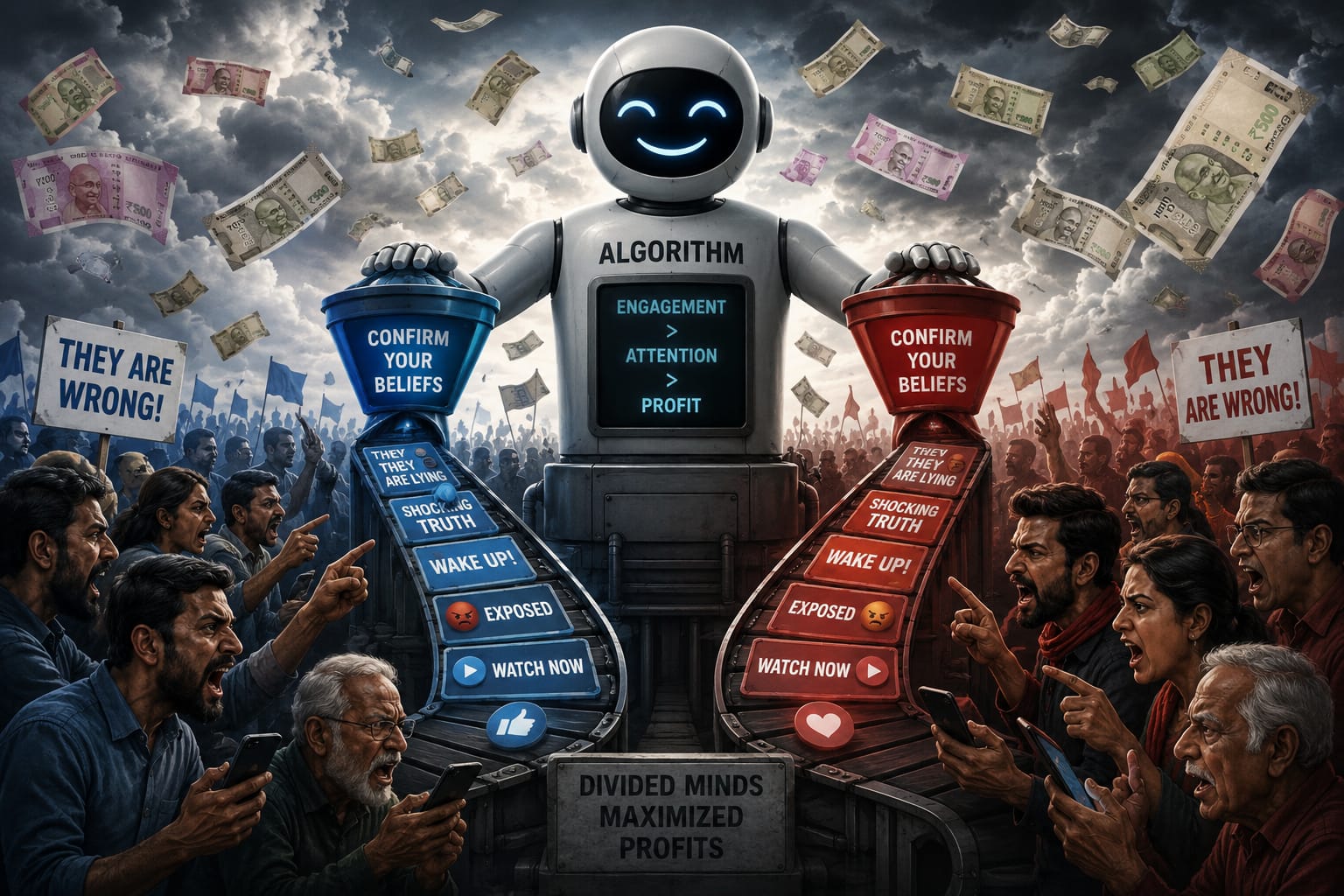
From Shastrarth to Social Media: Can Algorithms Preserve Civilisation?
From Shastrarth to Social Media: Can Algorithms Preserve Civilisation?
.png)
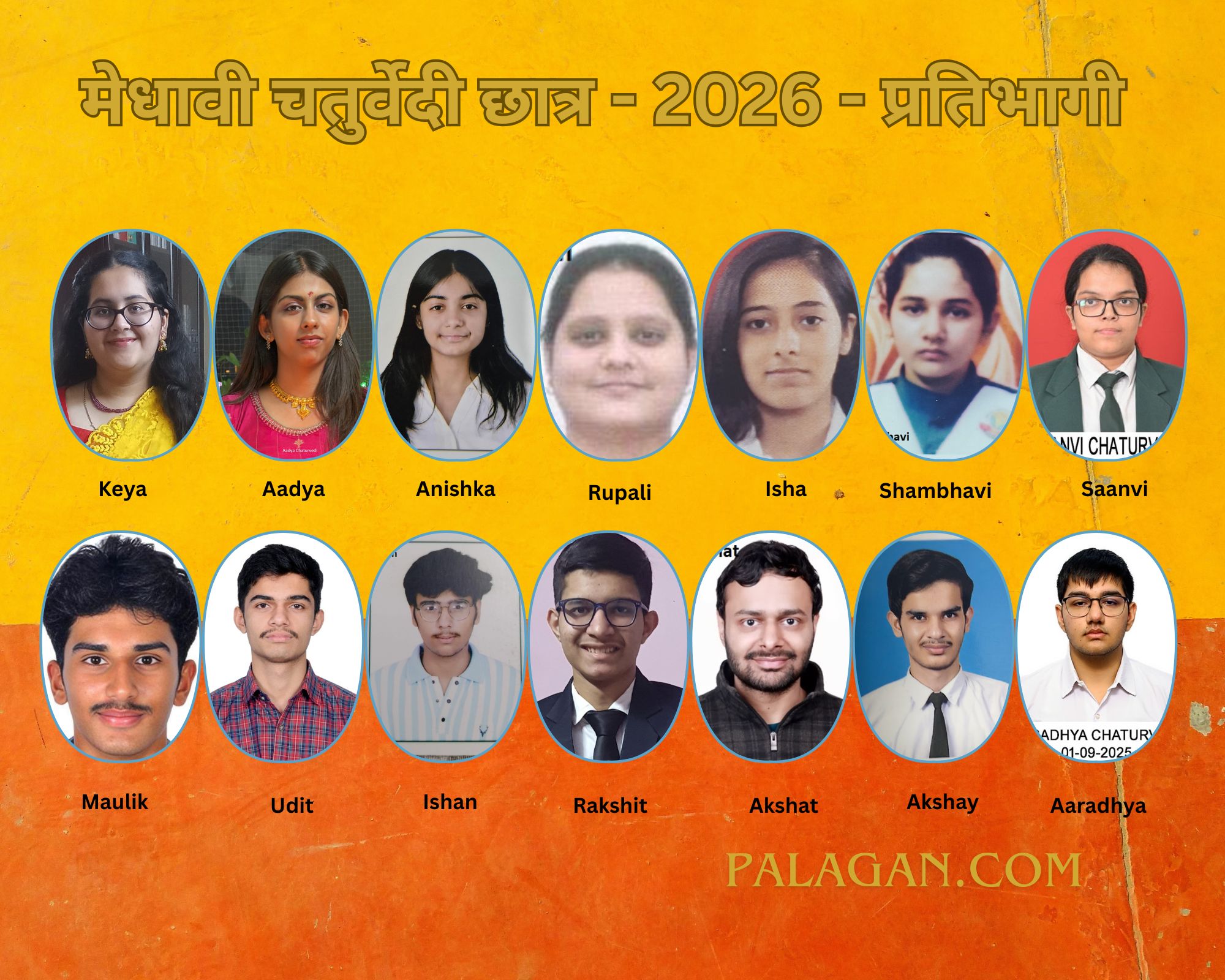
Chaturvedi Students Participate in Medhavi Chatr Awards who appeared for Class 12 Board Exams 2026
Chaturvedi Students Participate in Medhavi Chatr Awards who appeared for Class 12 Board Exams 2026

TrustTalks in conversation with Neera Misra ji on Yamuna, Indraprasth and Draupadi
TrustTalks in conversation with Neera Misra ji on Yamuna, Indraprasth and Draupadi
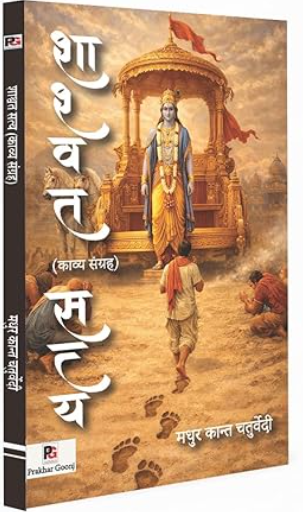
श्री मधुर कांत चतुर्वेदी की साहित्यिक यात्रा
श्री मधुर कांत चतुर्वेदी की साहित्यिक यात्रा
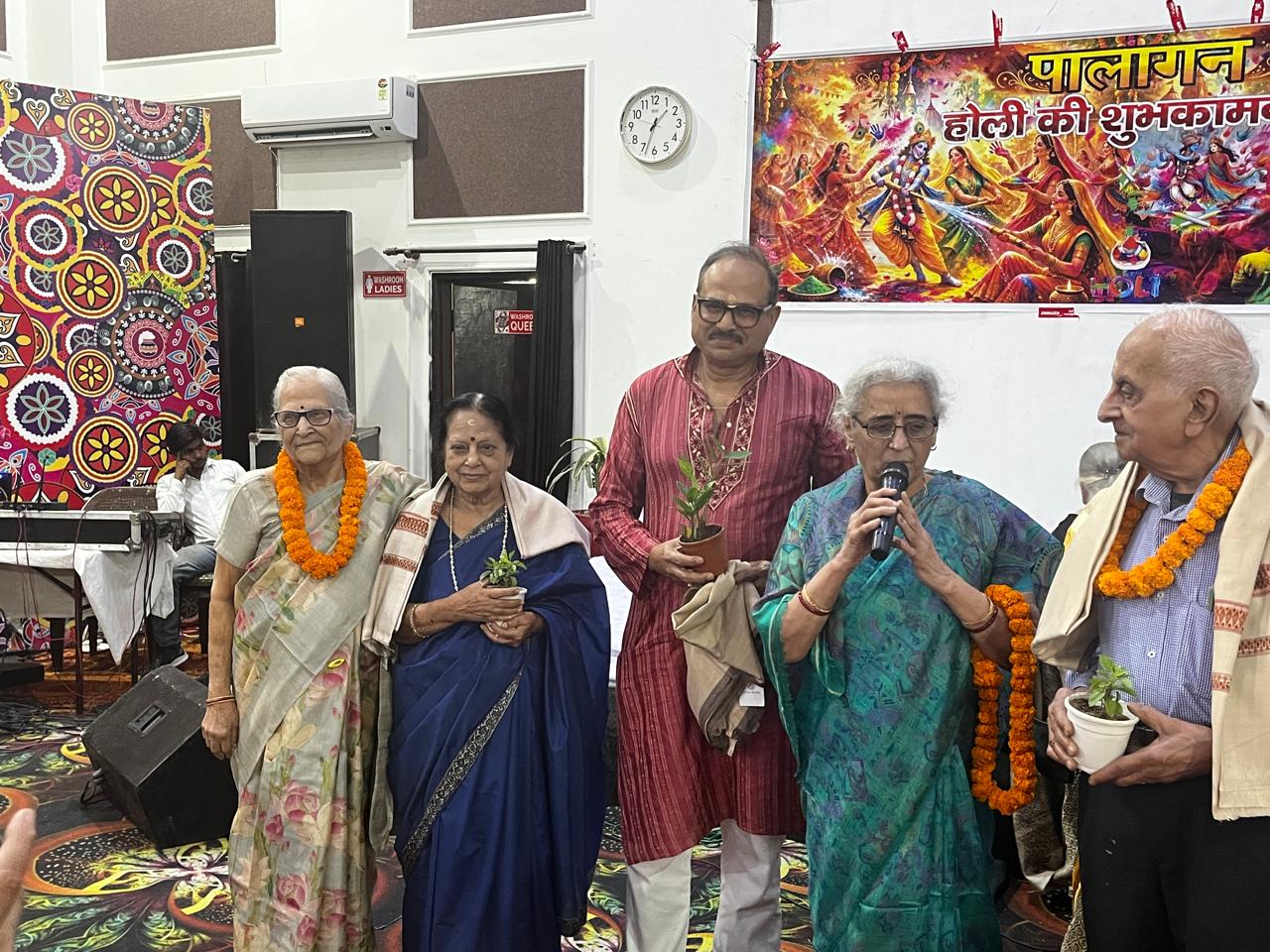
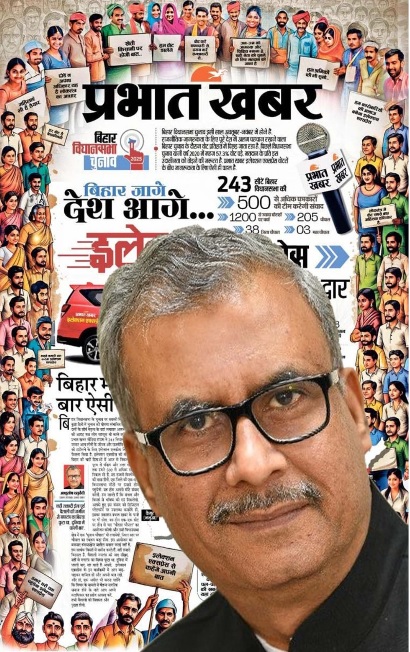
आशुतोष चतुर्वेदी , सूचना आयुक्त से बातचीत
आशुतोष चतुर्वेदी , सूचना आयुक्त से पालागन. कॉम की बातचीत

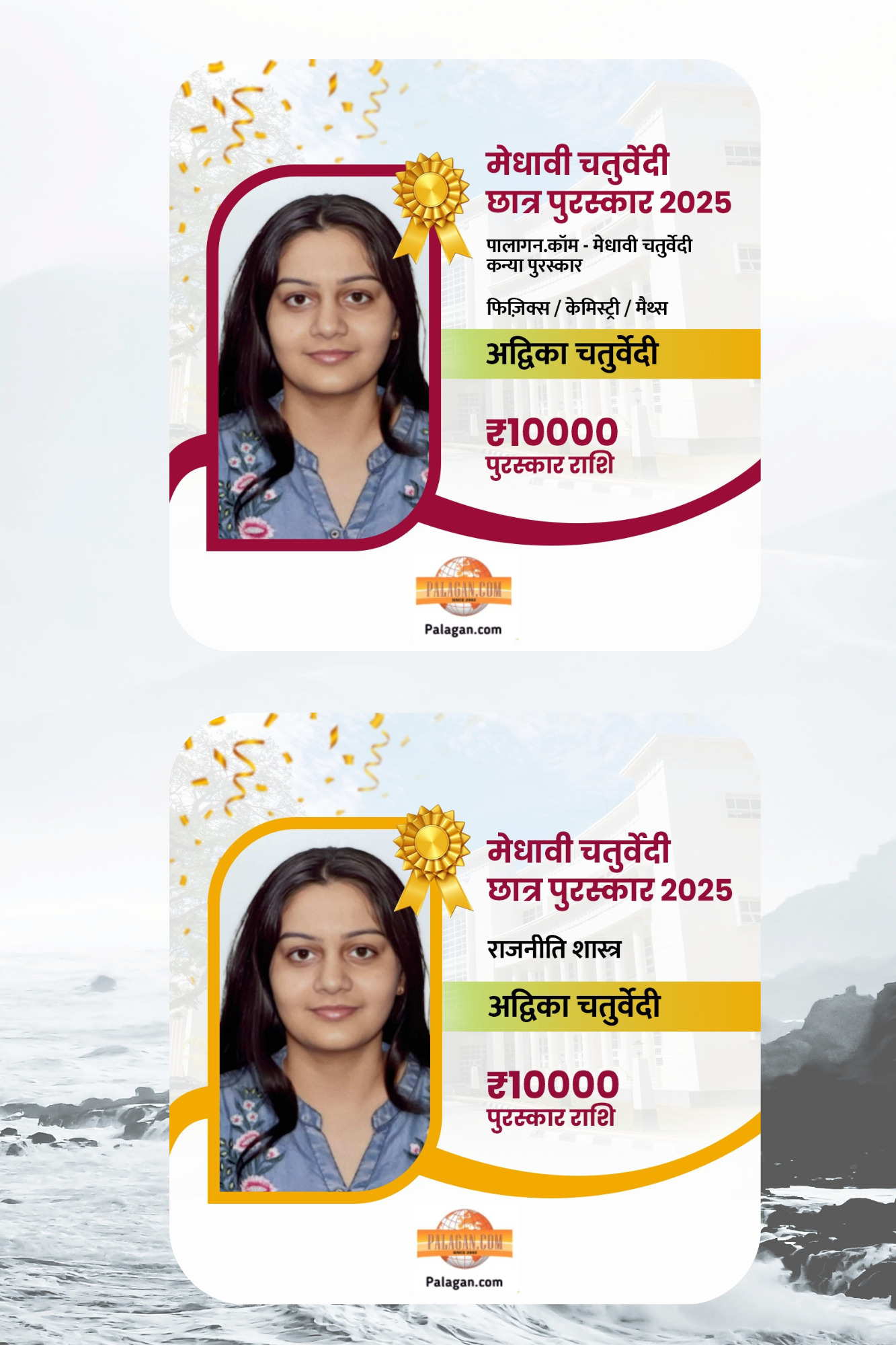
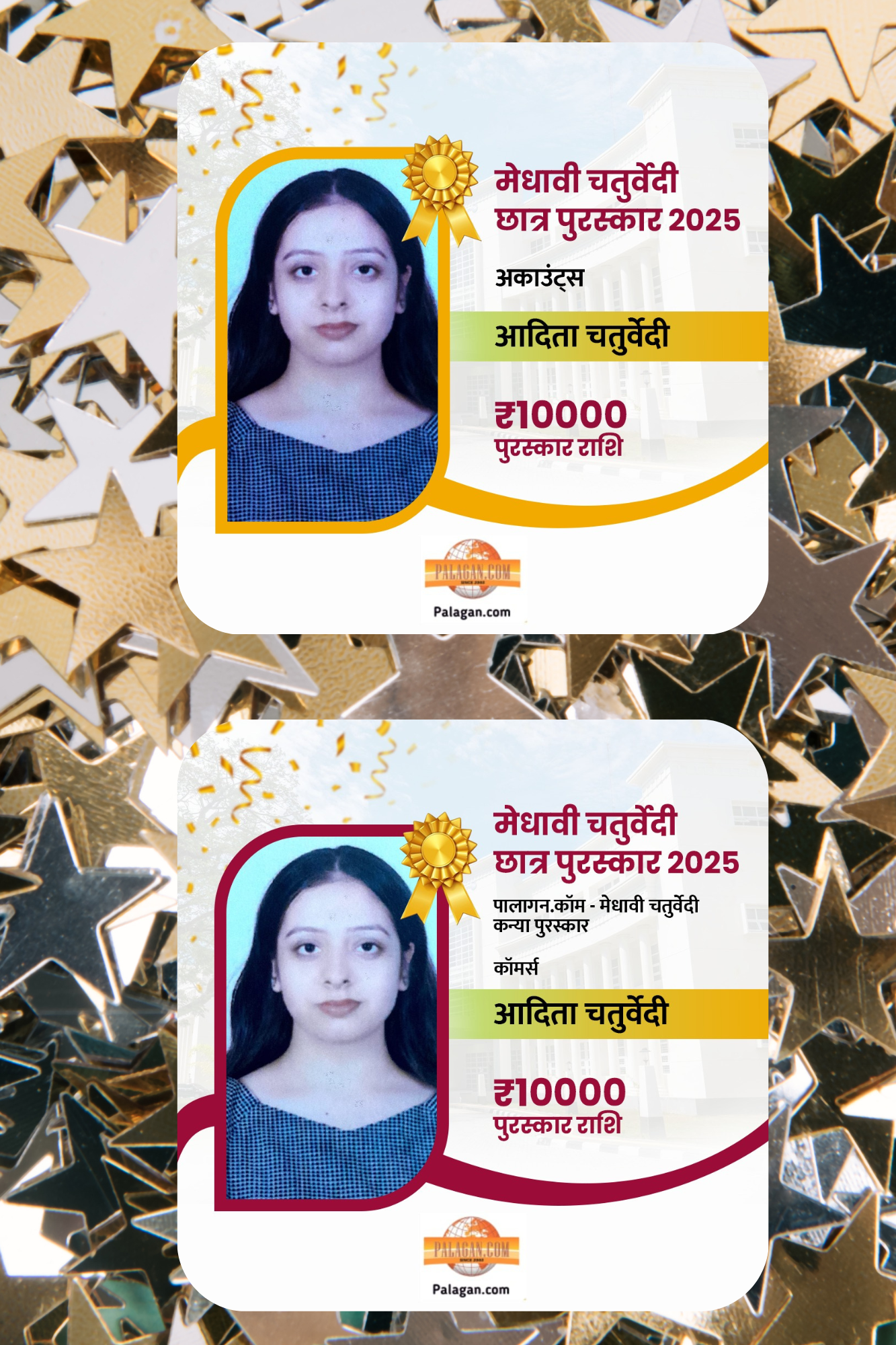
अद्विका चतुर्वेदी पॉलिटिकल साइंस विषय के साथ फिजिक्स केमिस्ट्री मैथ्स ग्रुप में पुरस्कार प्राप्त किया
अद्विका चतुर्वेदी पॉलिटिकल साइंस विषय के साथ फिजिक्स केमिस्ट्री मैथ्स ग्रुप में पुरस्कार प्राप्त किया
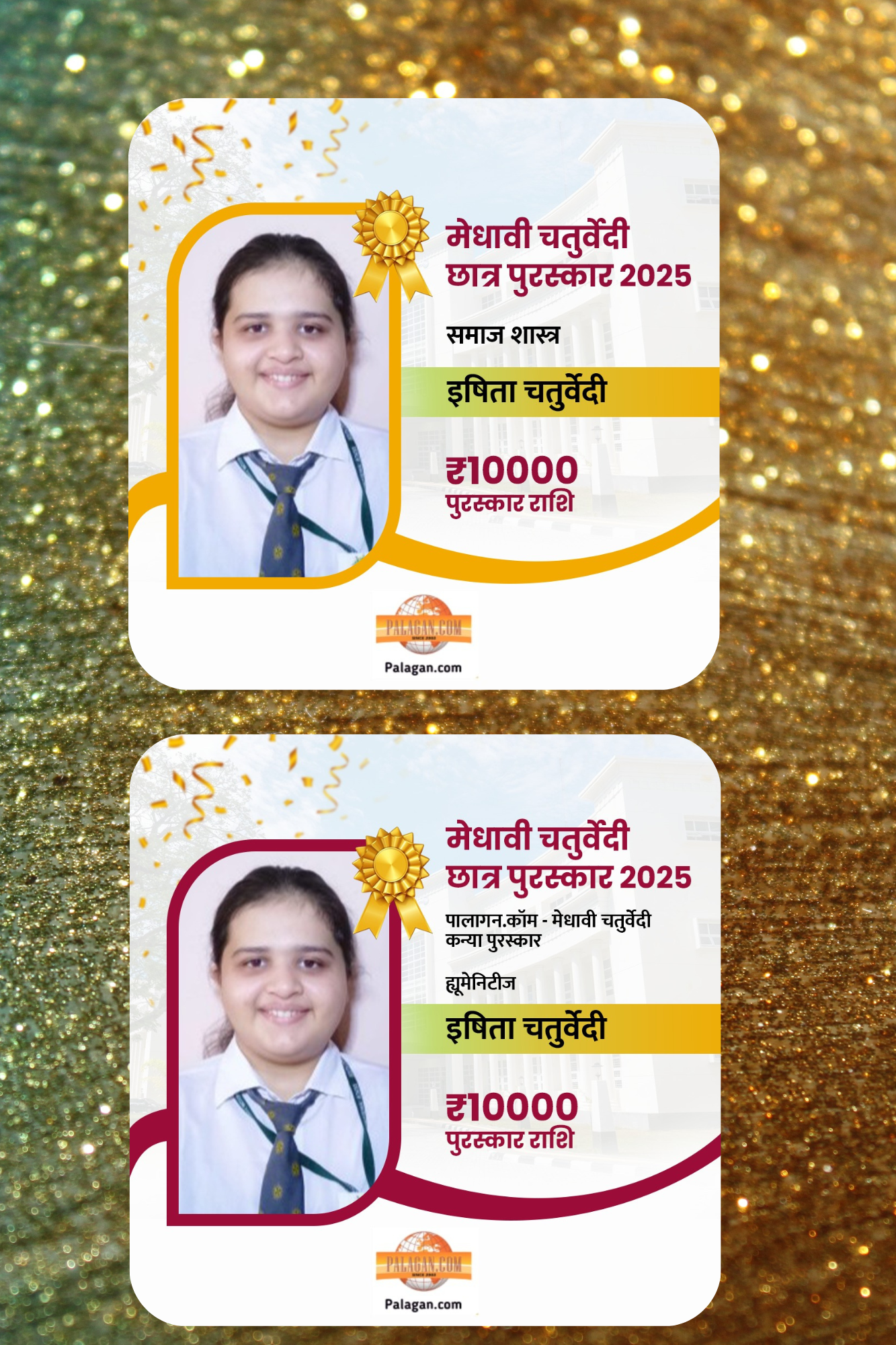
इशिता चतुर्वेदी ने मेधावी चतुर्वेदी छात्र का सोशलॉजी विषय में और ह्यूमैनिटीज विषय पुरस्कार प्राप्त किया
????? ????????? ?? ?????? ????????? ????? ?? ??????? ???? ??? ?? ??????????? ???? ???????? ??????? ????

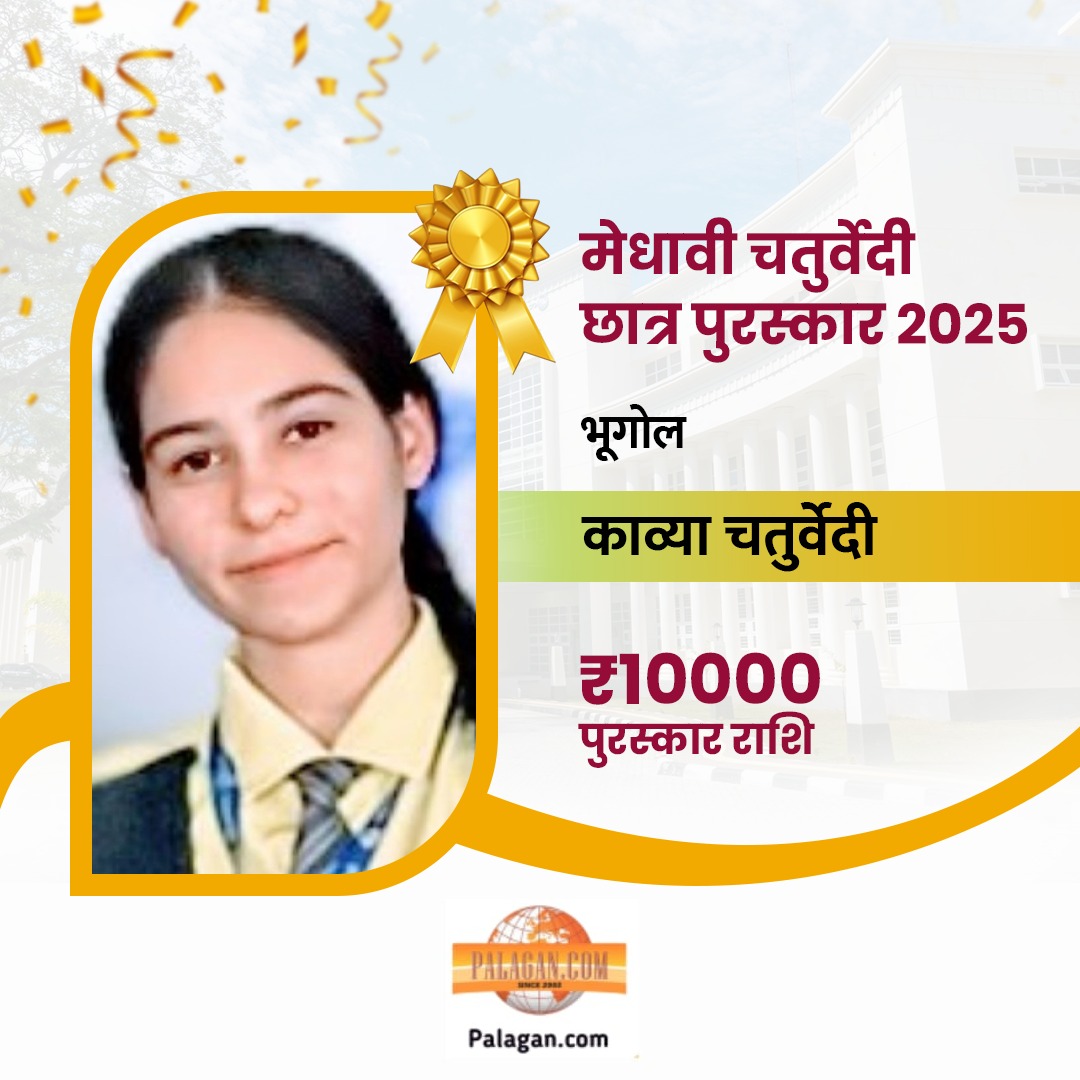
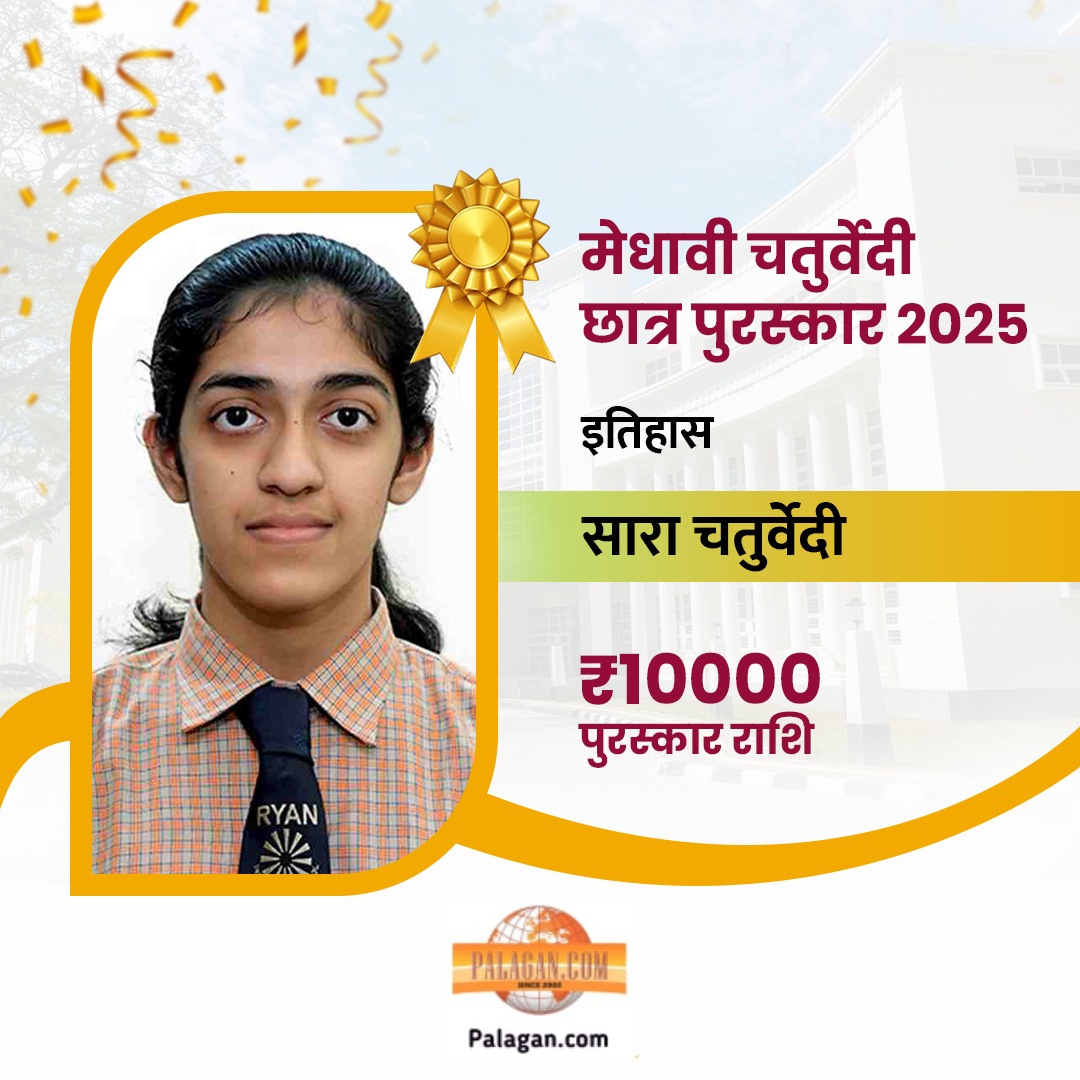
सारा चतुर्वेदी ने चतुर्वेदी मेधावी छात्र का इतिहास विषय का पुरस्कार प्राप्त किया
???? ????????? ?? ????????? ?????? ????? ?? ?????? ???? ?? ???????? ??????? ????
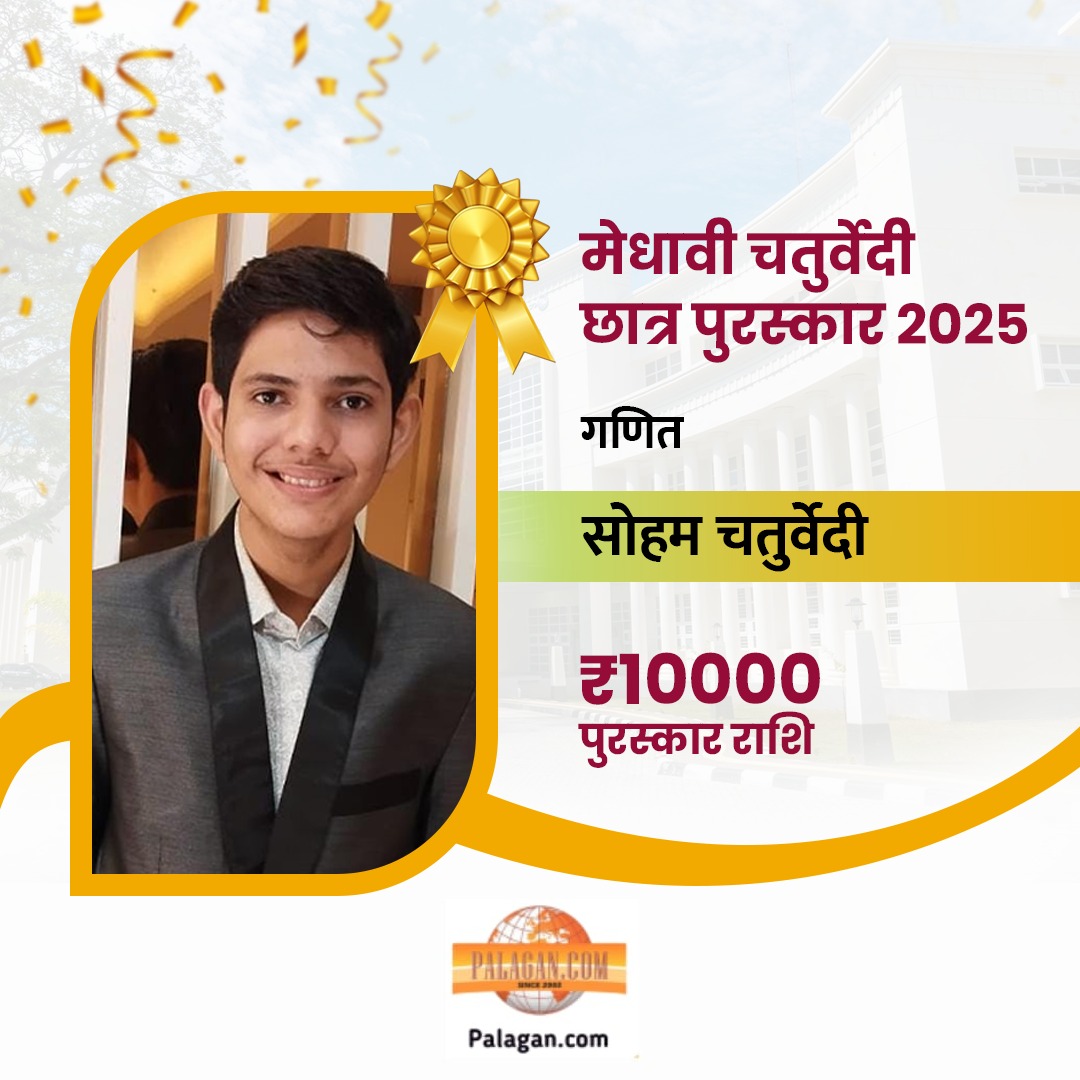
सोहम चतुर्वेदी ने गणित विषय में मेधावी चतुर्वेदी छात्र का पुरस्कार प्राप्त किया
???? ????????? ?? ???? ???? ??? ?????? ????????? ????? ?? ???????? ??????? ????
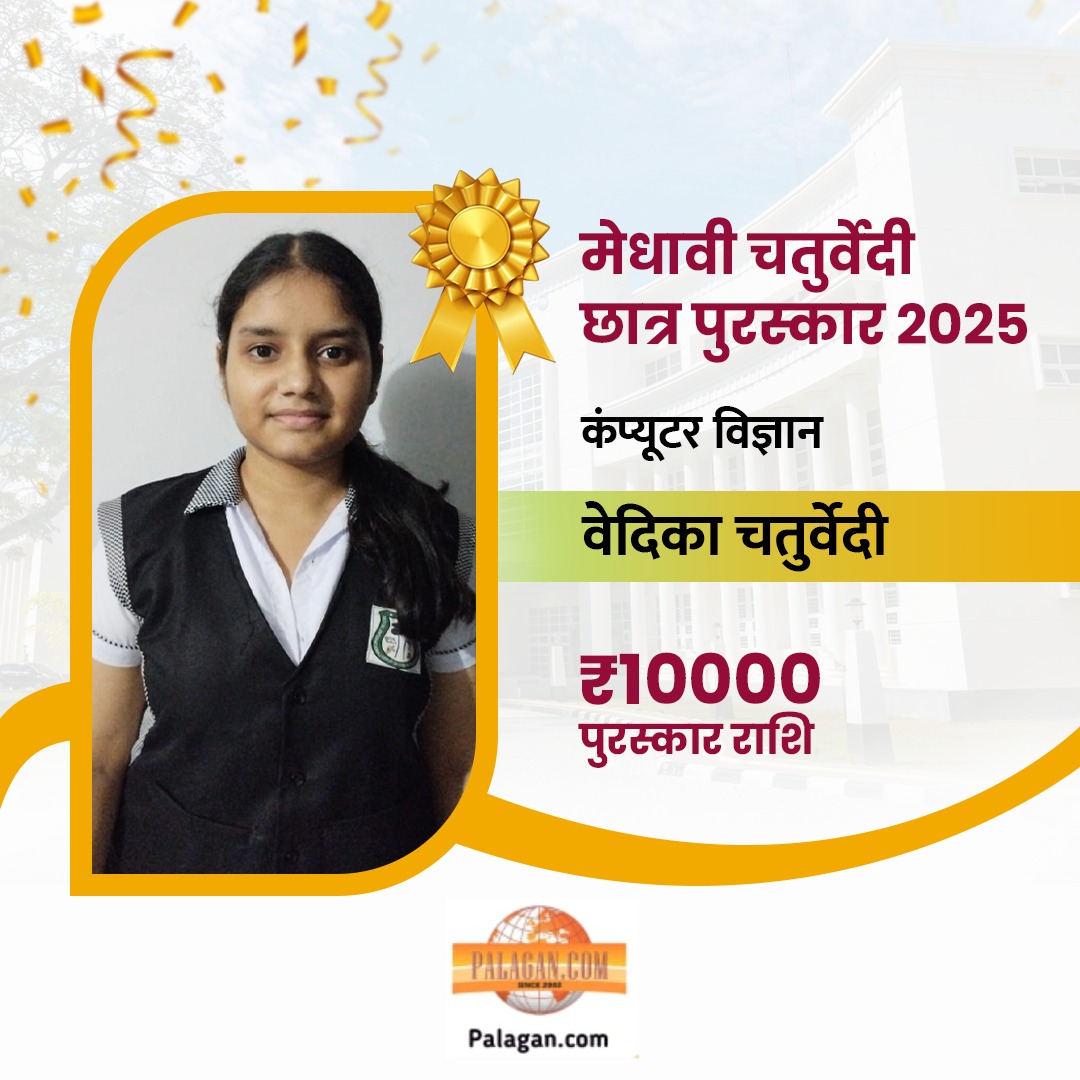
वेदिका को मेधावी चतुर्वेदी छात्र का कंप्यूटर साइंस विषय का पुरस्कार प्राप्त हुआ
?????? ?? ?????? ????????? ????? ?? ???????? ????? ???? ?? ???????? ??????? ???
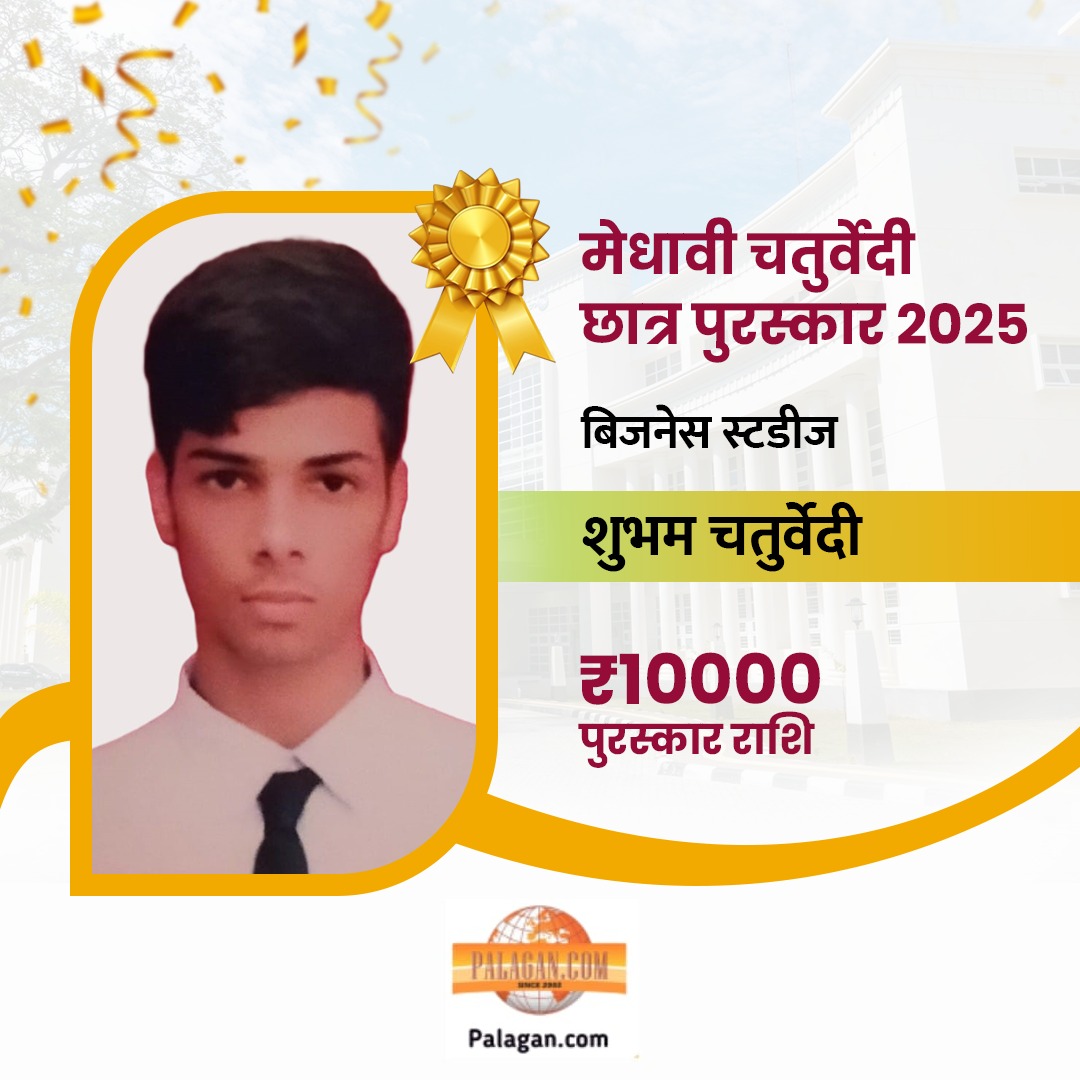
शुभम चतुर्वेदी ने चतुर्वेदी मेधावी छात्र का बिजनेस स्टडीज विषय का पुरस्कार प्राप्त किया
???? ????????? ?? ????????? ?????? ????? ?? ?????? ?????? ???? ?? ???????? ??????? ????
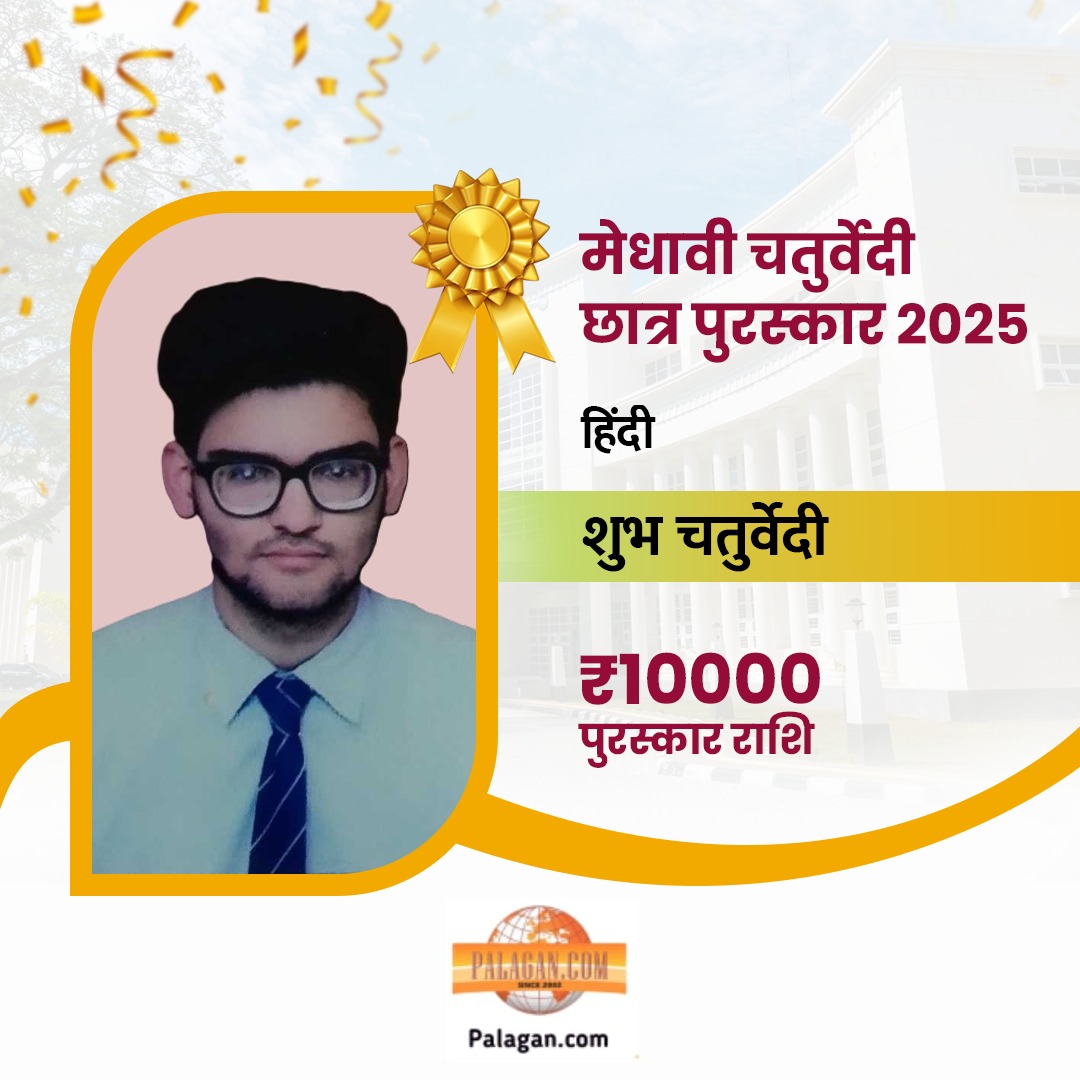
शुभ चतुर्वेदी ने चतुर्वेदी मेधावी छात्र का हिंदी विषय का पुरस्कार प्राप्त किया
??? ????????? ?? ????????? ?????? ????? ?? ????? ???? ?? ???????? ??????? ????

ध्रुव चतुर्वेदी ने इंग्लिश विषय में चतुर्वेदी मेधावी छात्र का पुरस्कार प्राप्त किया
????? ????????? ?? ??????? ???? ??? ????????? ?????? ????? ?? ???????? ??????? ????
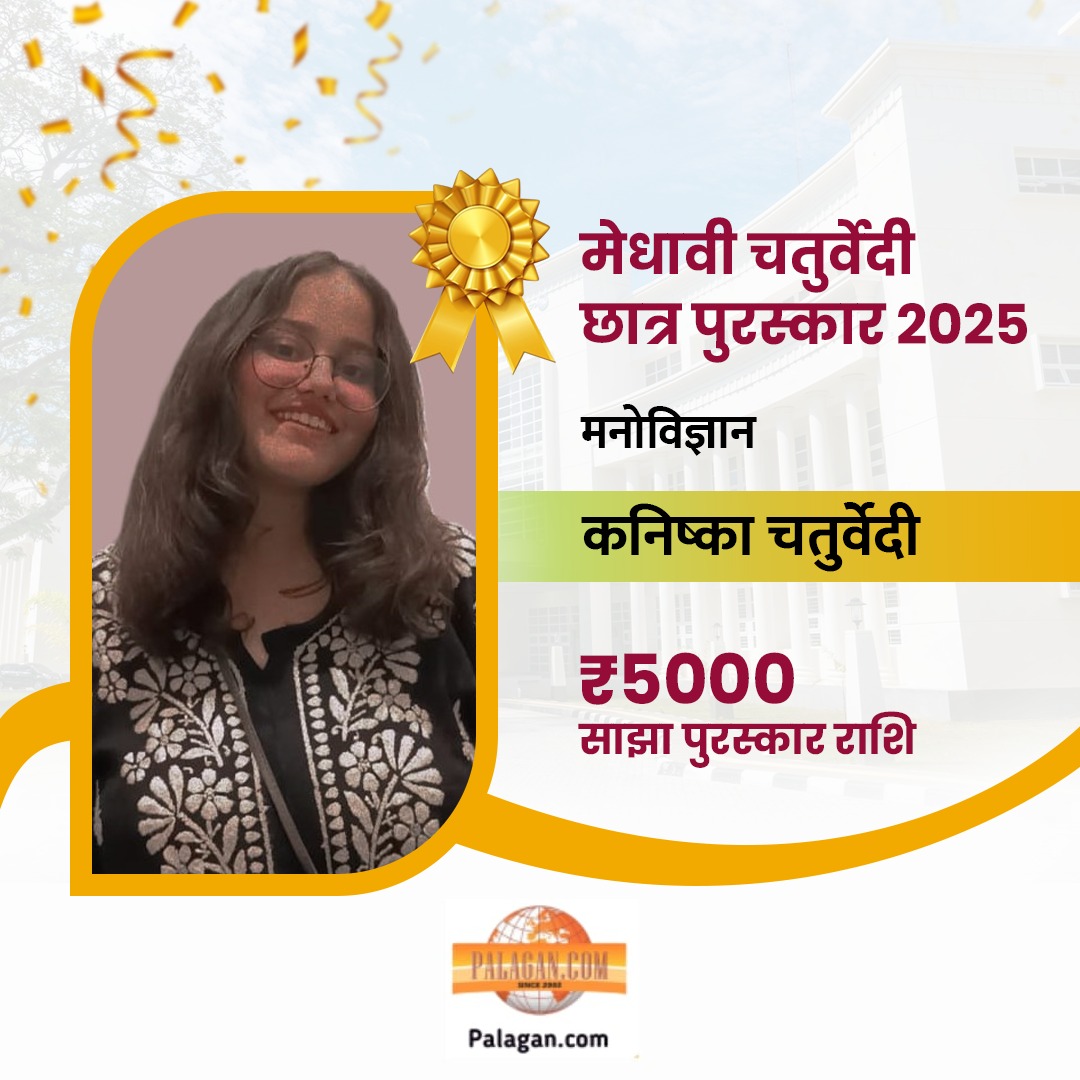
कनिष्का चतुर्वेदी ने मनोविज्ञान विषय में संयुक्त पुरस्कार प्राप्त किया
??????? ????????? ?? ?????????? ???? ??? ??????? ???????? ??????? ????
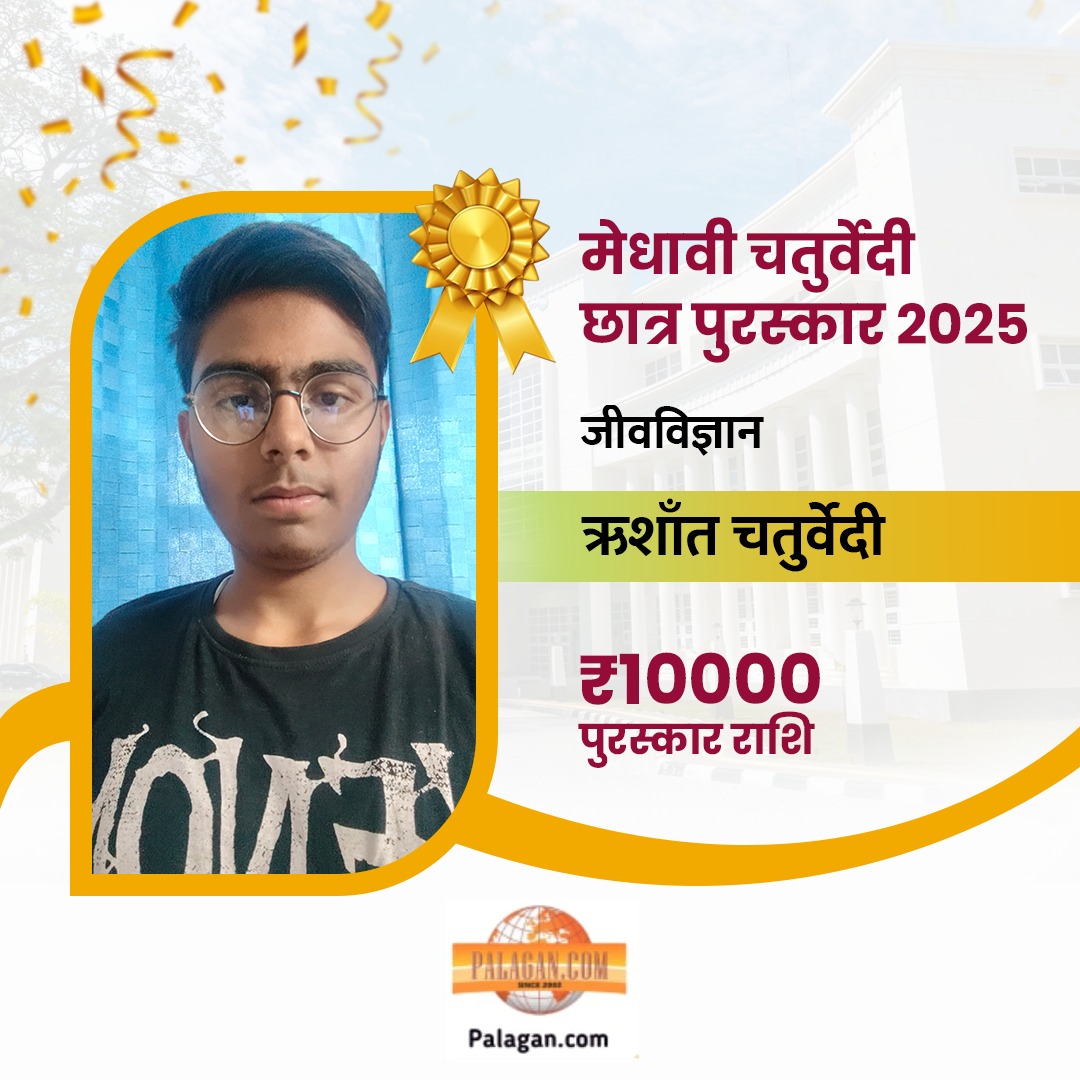
ऋशांत चतुर्वेदी ने बायोलॉजी सब्जेक्ट पुरस्कार प्राप्त किया
????? ????????? ?? ???????? ???????? ???????? ??????? ????
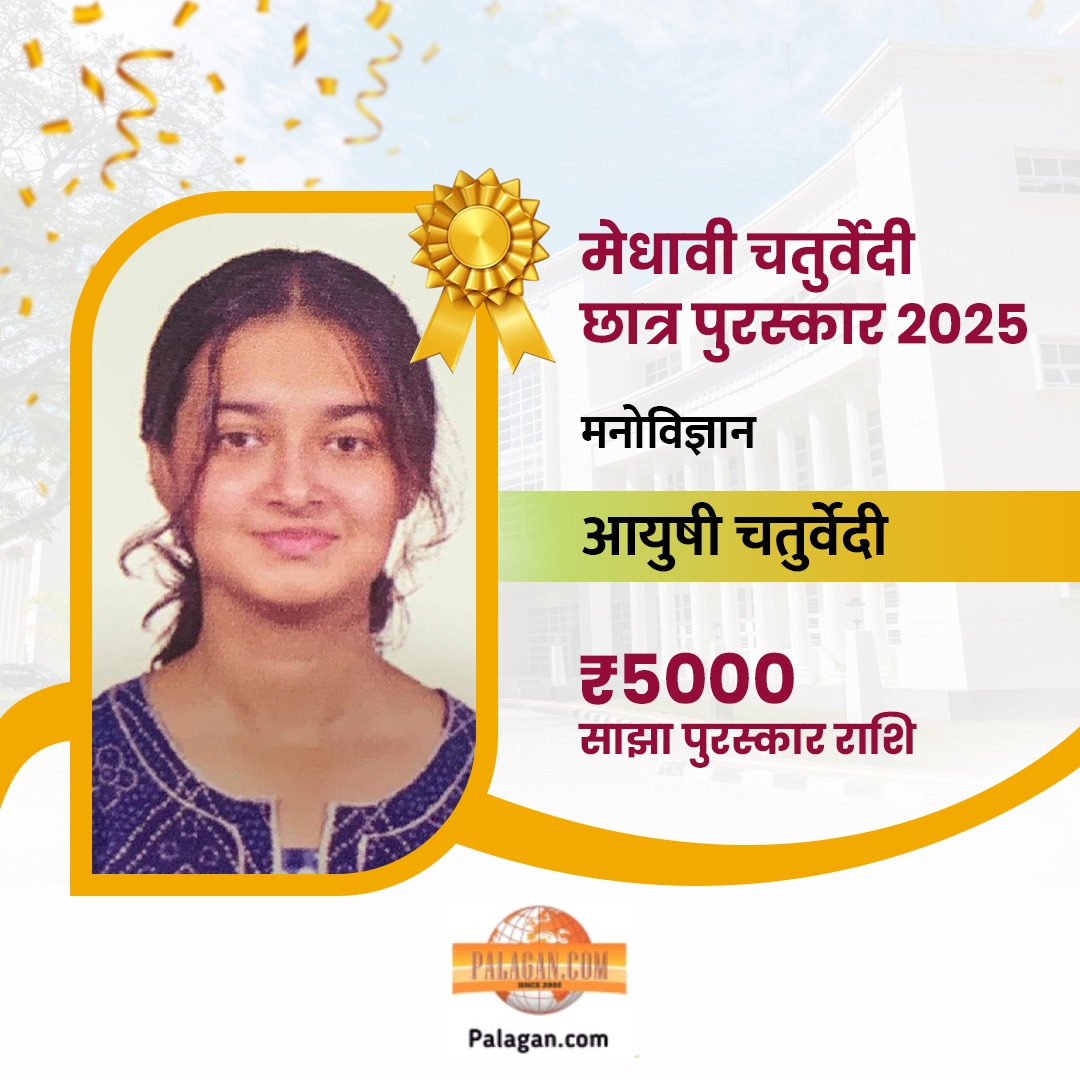
आयुषी चतुर्वेदी ने मनोविज्ञान विषय में संयुक्त रूप से अधिकतम अंक प्राप्त करके पुरस्कार प्राप्त किया
????? ????????? ?? ?????????? ???? ??? ??????? ??? ?? ?????? ??? ??????? ???? ???????? ??????? ????
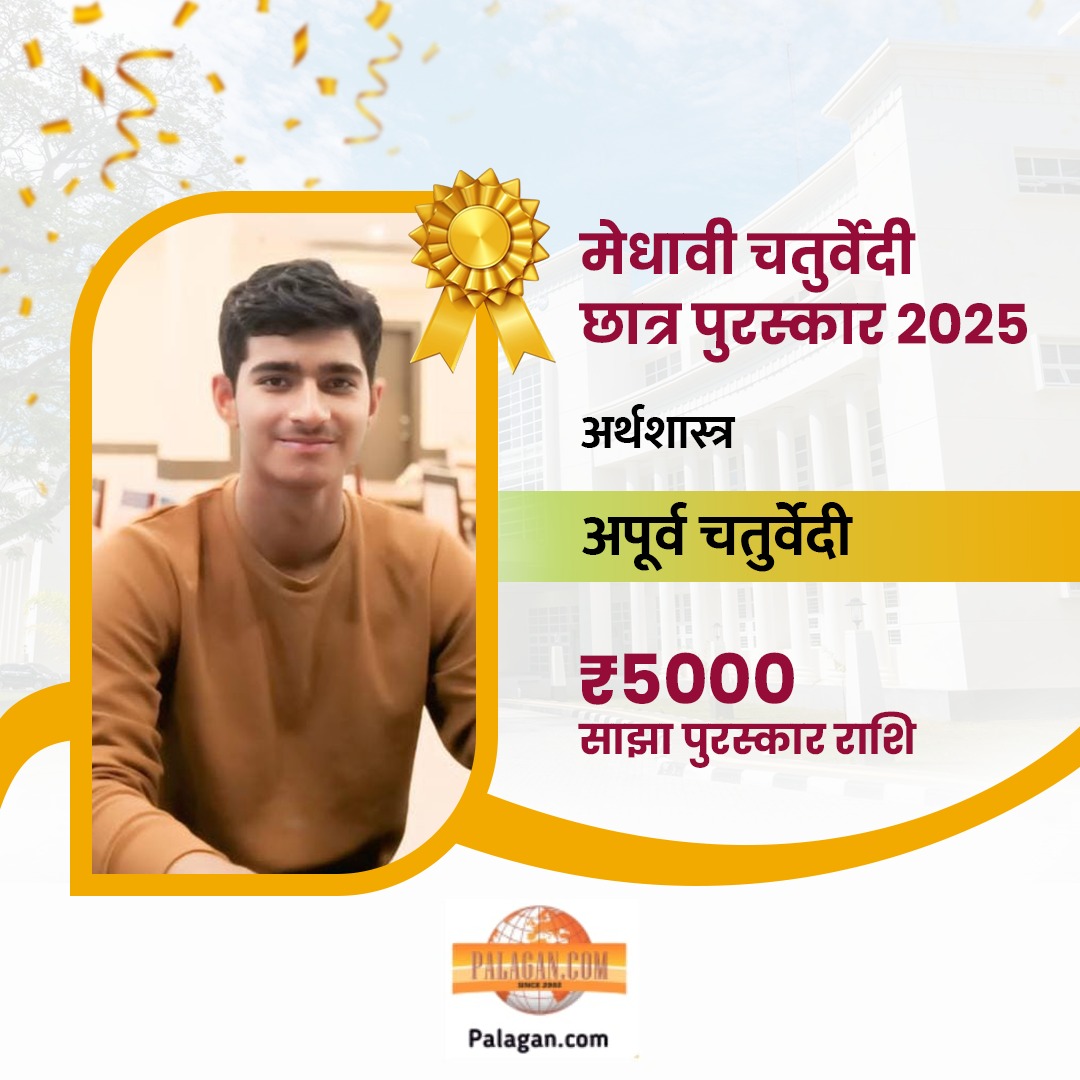
अपूर्व चतुर्वेदी को अर्थशास्त्र विषय में संयुक्त रूप से अधिकतम अंक प्राप्त करने पर पुरस्कार
?????? ????????? ?? ??????????? ???? ??? ??????? ??? ?? ?????? ??? ??????? ???? ?? ????????
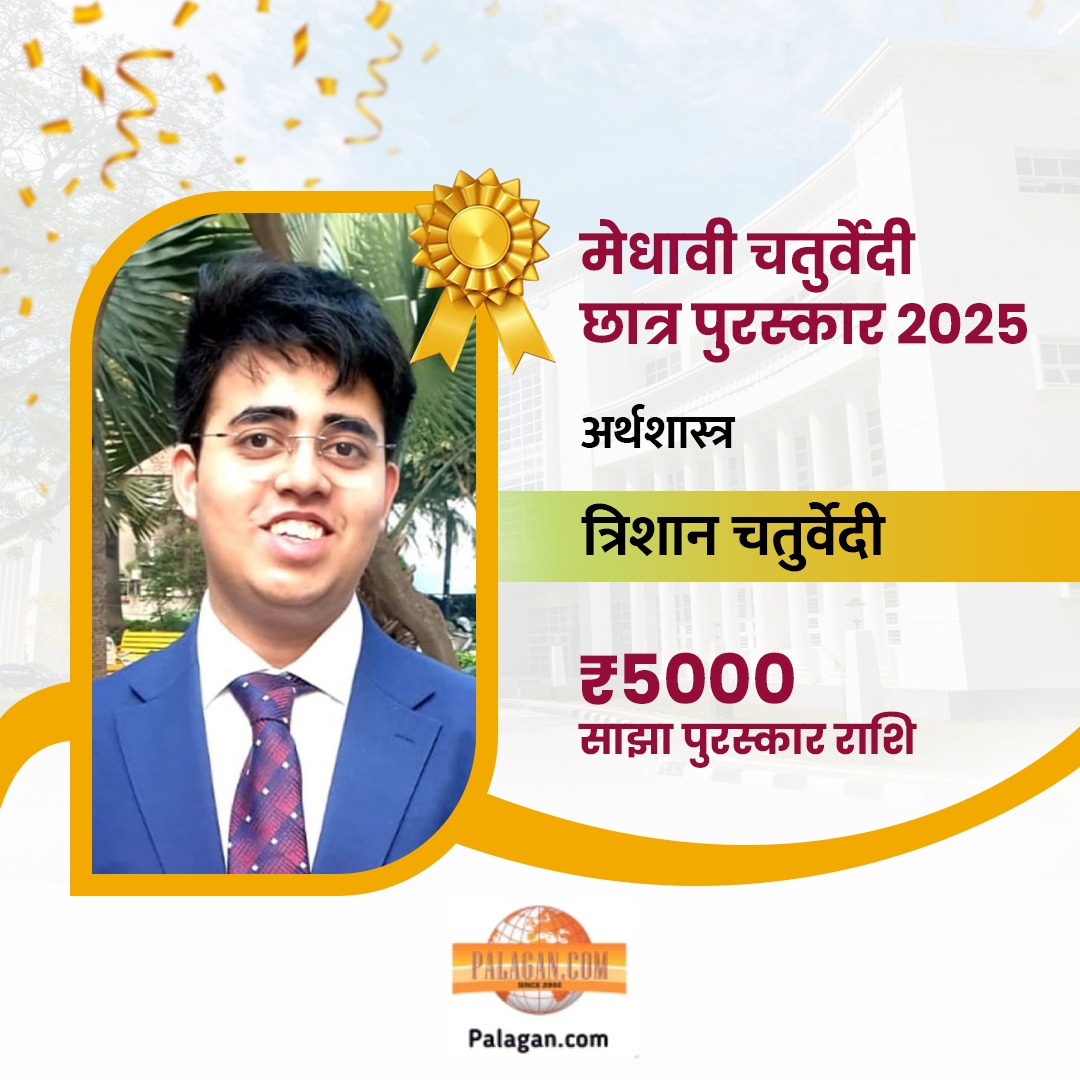
त्रिशान चतुर्वेदी को इकोनॉमिक्स में अधिकतम अंक प्राप्त करने पर संयुक्त पुरस्कार
??????? ????????? ?? ?????????? ??? ?????? ??? ??????? ???? ?? ??????? ????????
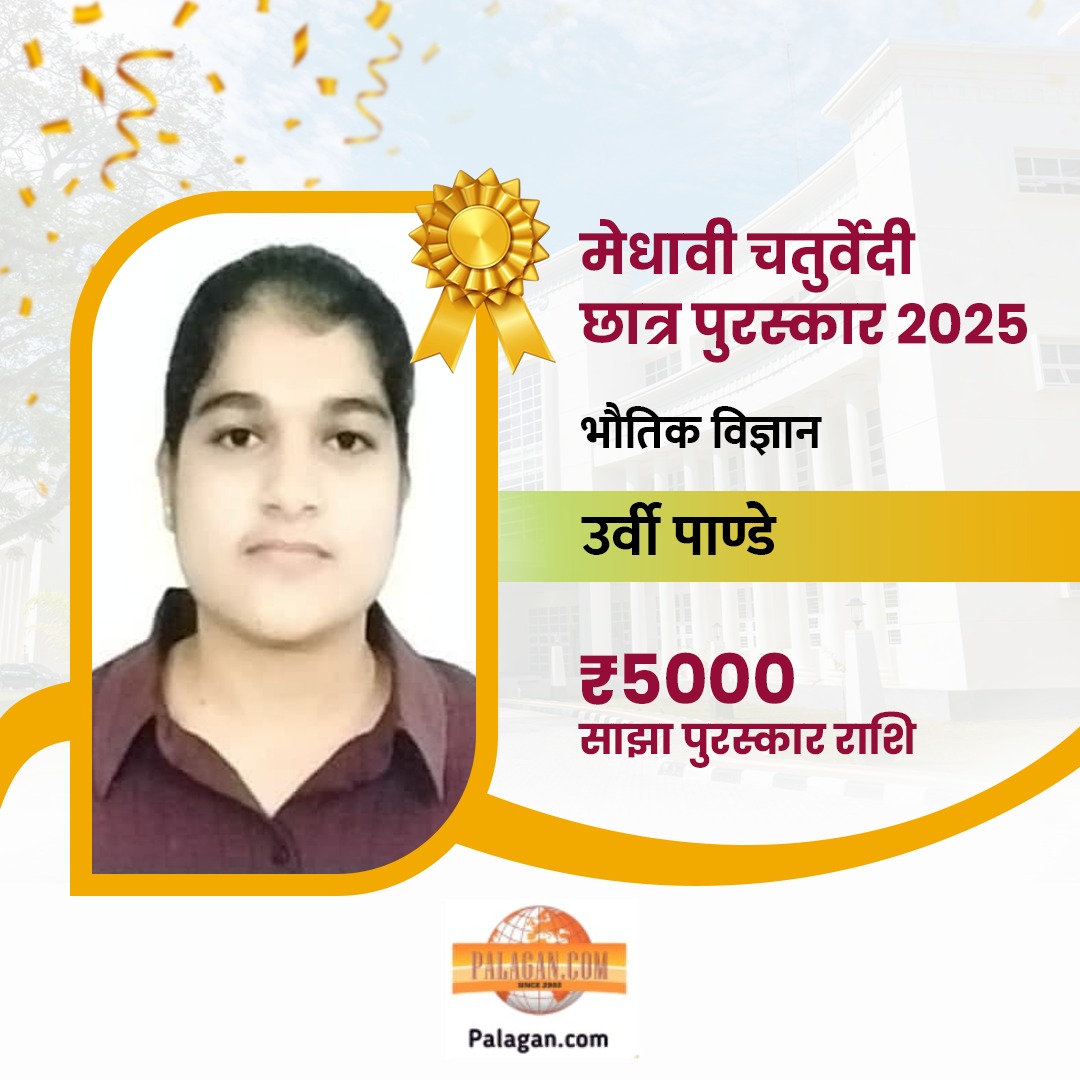
कुमारी उर्वी पांडे को मेधावी छात्र का फिजिक्स विषय का संयुक्त पुरस्कार
?????? ????? ????? ?? ?????? ????? ?? ??????? ???? ?? ??????? ????????
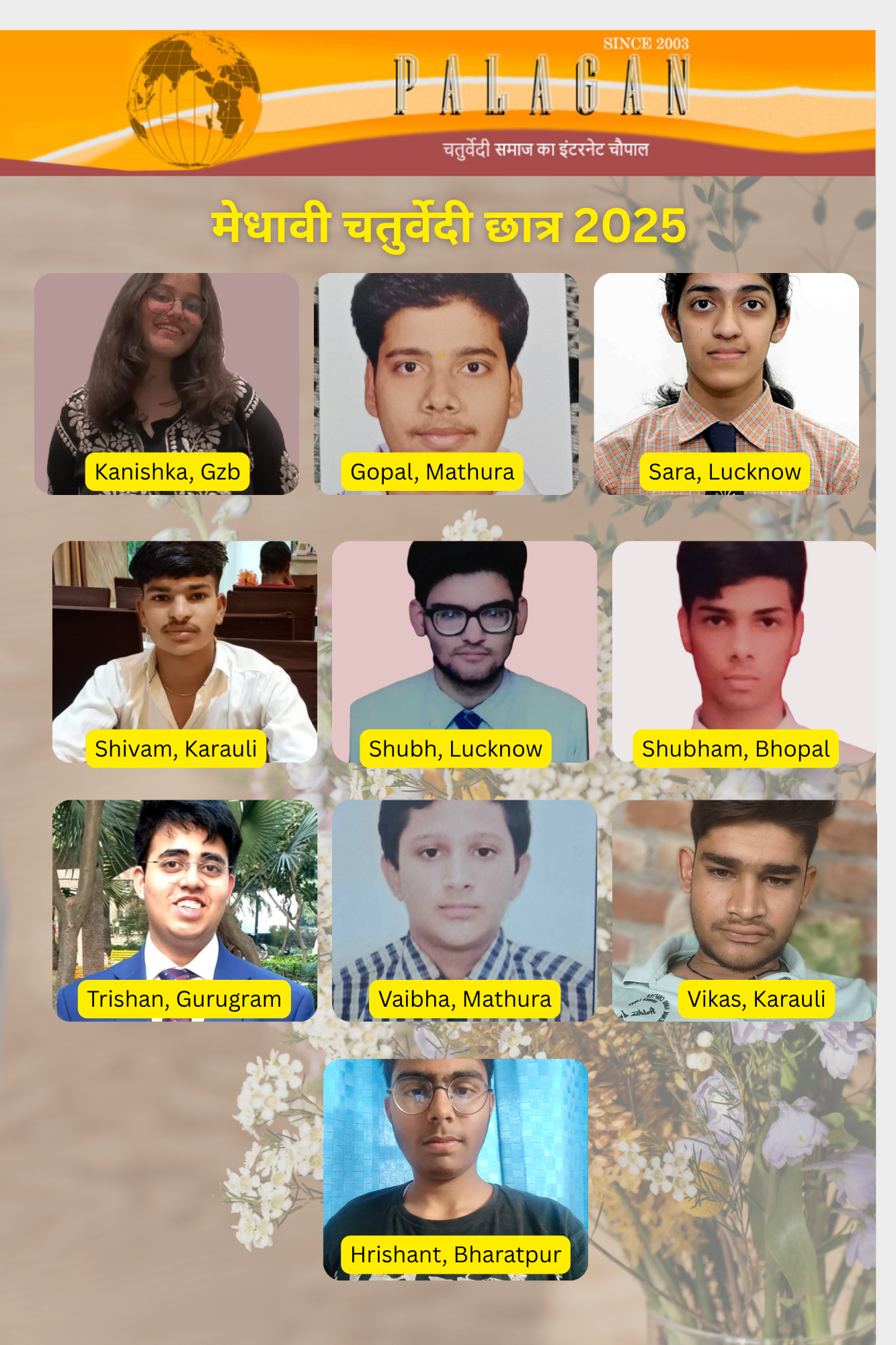
Participants of Medhavi Chhatr 2025 - III
Participants of Medhavi Chhatr 2025 - III
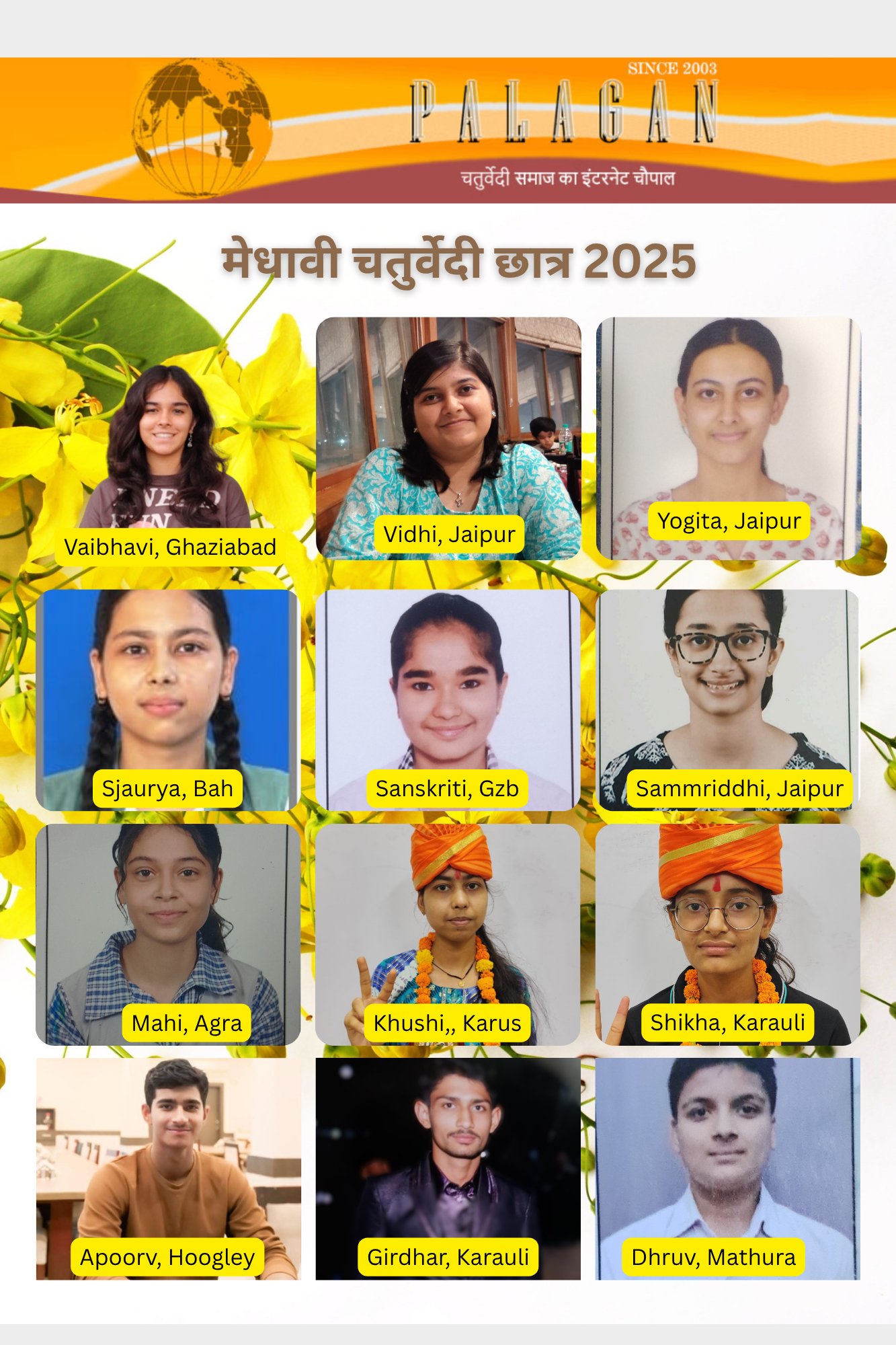
Participants of Medhavi Chhatr 2025 -ii
Participants of Medhavi Chhatr 2025 -ii
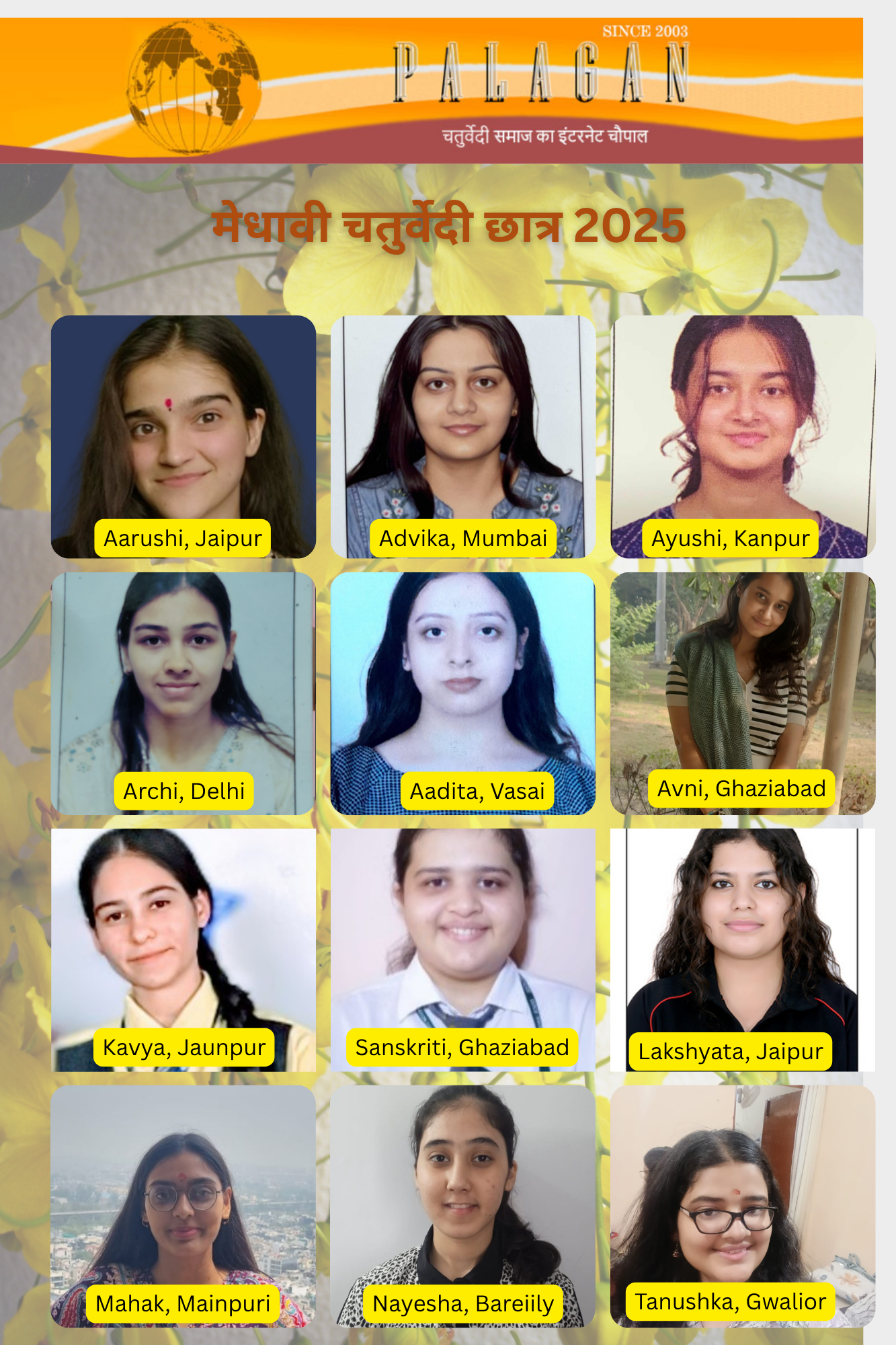
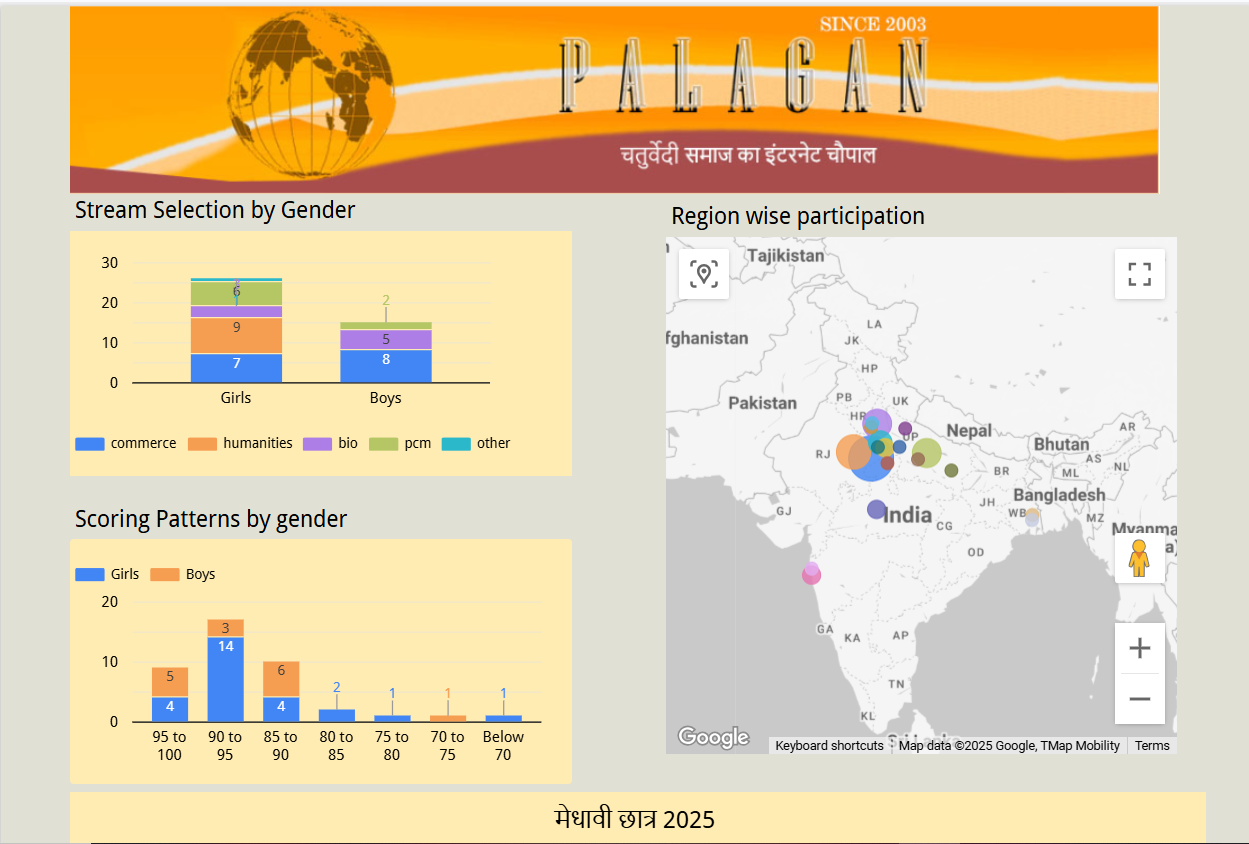
मेधावी चतुर्वेदी छात्र-छात्राएं – 2025 बोर्ड परीक्षा में उत्कृष्ट प्रदर्शन
?????? ????????? ?????-????????

.png)
युवा लेखन सम्मान 2025
???? ???? ?????? 2025
Aviation Security Challenges and Strategy : a Talk with Shri Munindra N Chaturvedi
Aviation Security Challenges and Strategy : a Talk with Shri Munindra N Chaturvedi





.jpg)
.jpg)
.jpg)
.jpg)
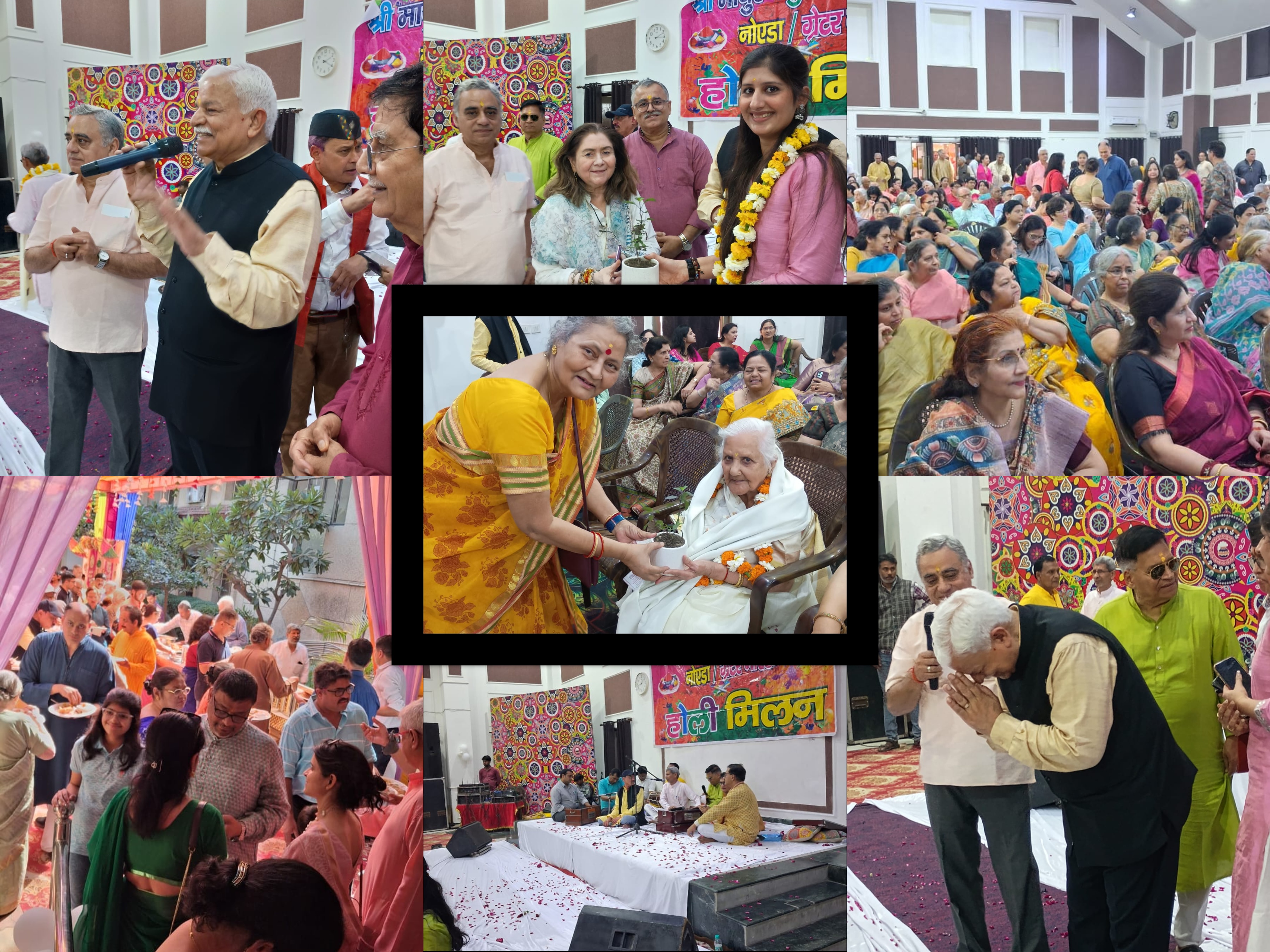
नोएडा शाखा सभा होली मिलन 2025
????? ???? ??? ???? ???? 2025


.jpg)


.jpeg)
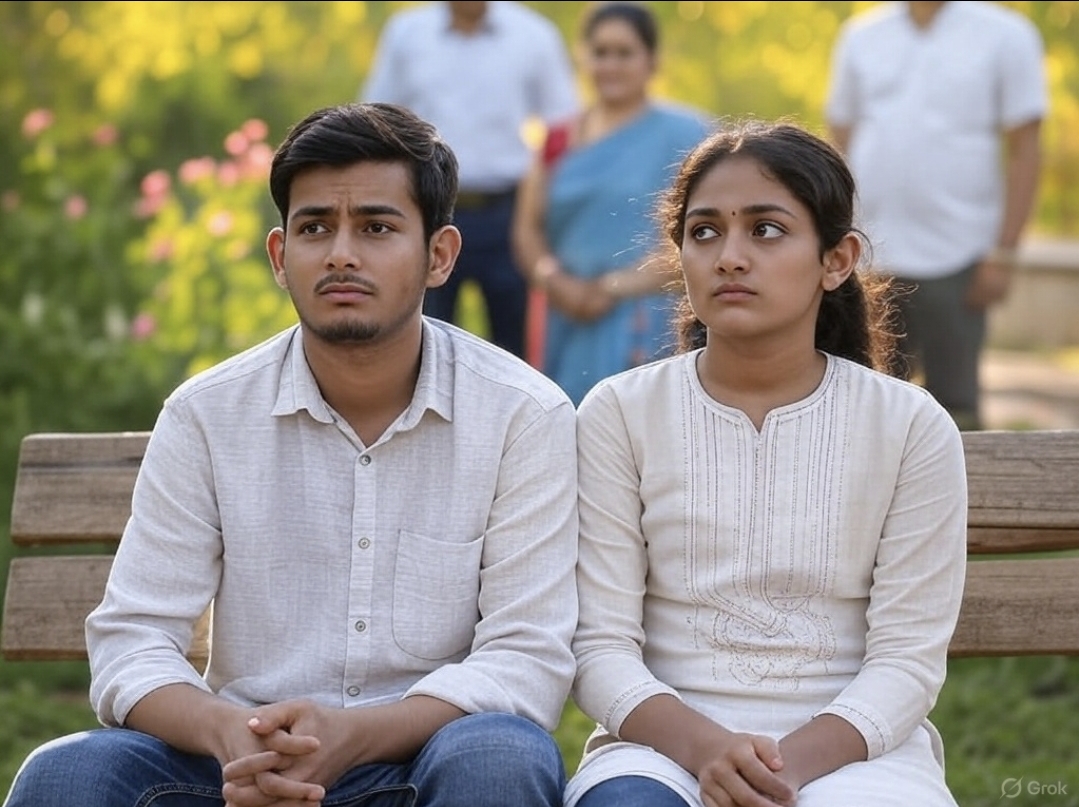
श्री माथुर चतुर्वेदी शाखा सभा दिल्ली का होली मिलन 2025
???? ????? ????????? ???? ??? ?????? ?? ???? ???? 2025


Palagan Dialogues : Lokmanyu Chaturvedi , eSports Athelete
"Palagan Dialogues: In-depth Discussion with Lokmanyu Chaturvedi." Features an in-depth conversation with Lokmanyu Chaturvedi, a FIFA Esports athlete, coach of the Indian eNational Team, and FIFA Esports commentator.
Sahitya Chaturvedi Praises Union Budget 2025
Sahitya Chaturvedi, Secretary General of the Indian Business and Professional Council Dubai, said,
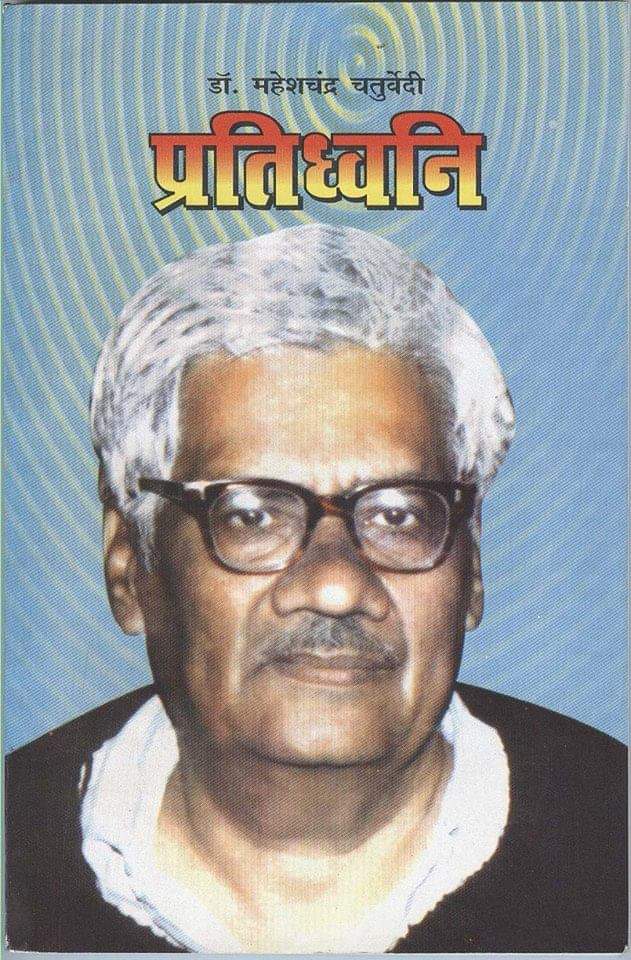


Medical Astrology : A discussion with Mr Pradeep Chaturvedi
Medical Astrology : A discussion with Mr Pradeep Chaturvedi






Digital Transformation in Manufacturing: Integrating Data, Security, and Software for Industry 4.0
In many manufacturing environments, legacy systems and machinery operate without the ability to generate or utilize digital data. This "data gap" limits visibility into operations, constraining the ability to optimize processes and respond dynamically to market demands.
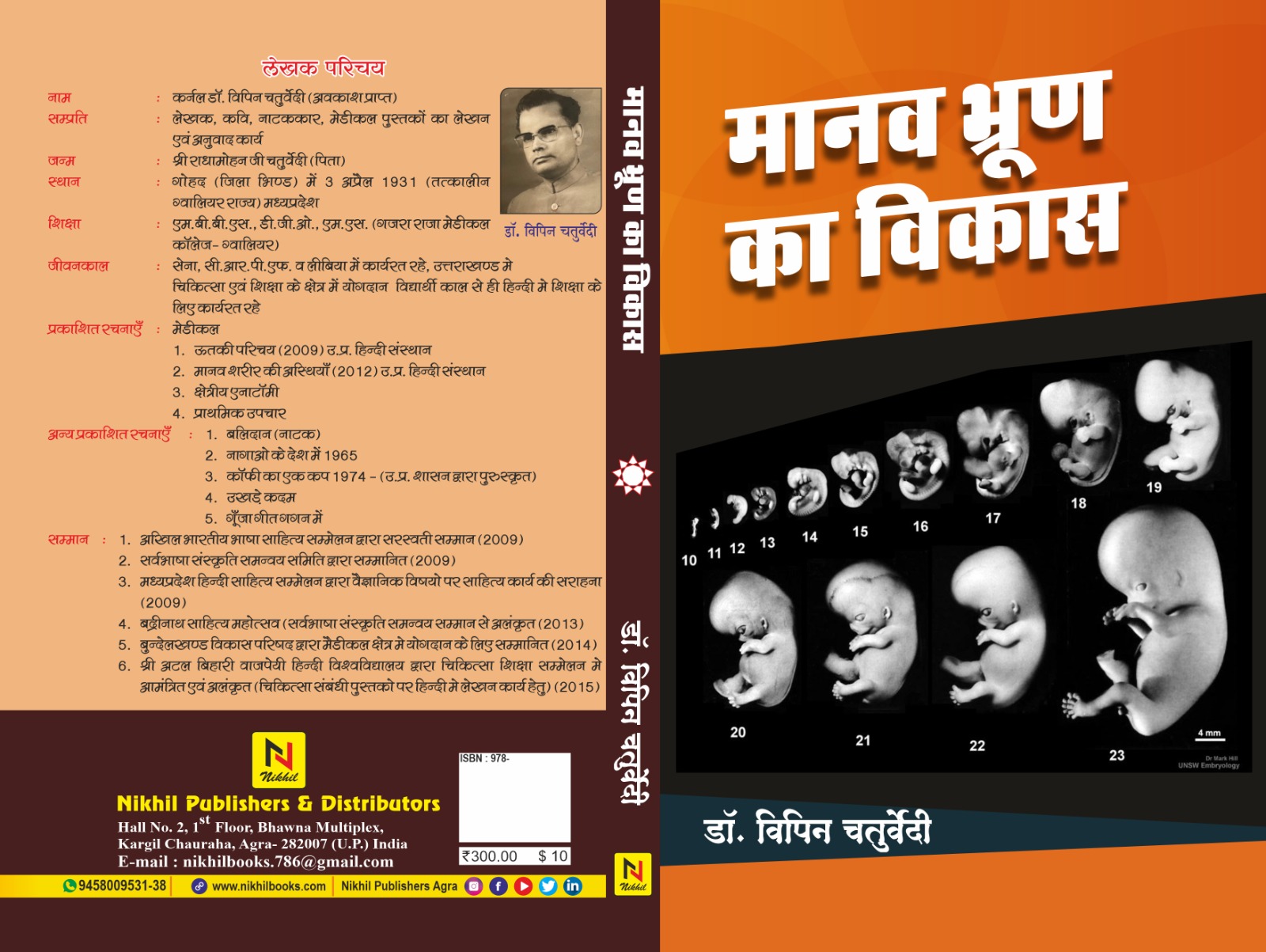
स्व. डॉ कर्नल विपिन चतुर्वेदी की चिकित्सा विज्ञान पर हिन्दी में लिखी पाठ्य पुस्तक का प्रकाशन
???. ?? ????? ????? ????????? ?? ???????? ??????? ?? ?????? ??? ????
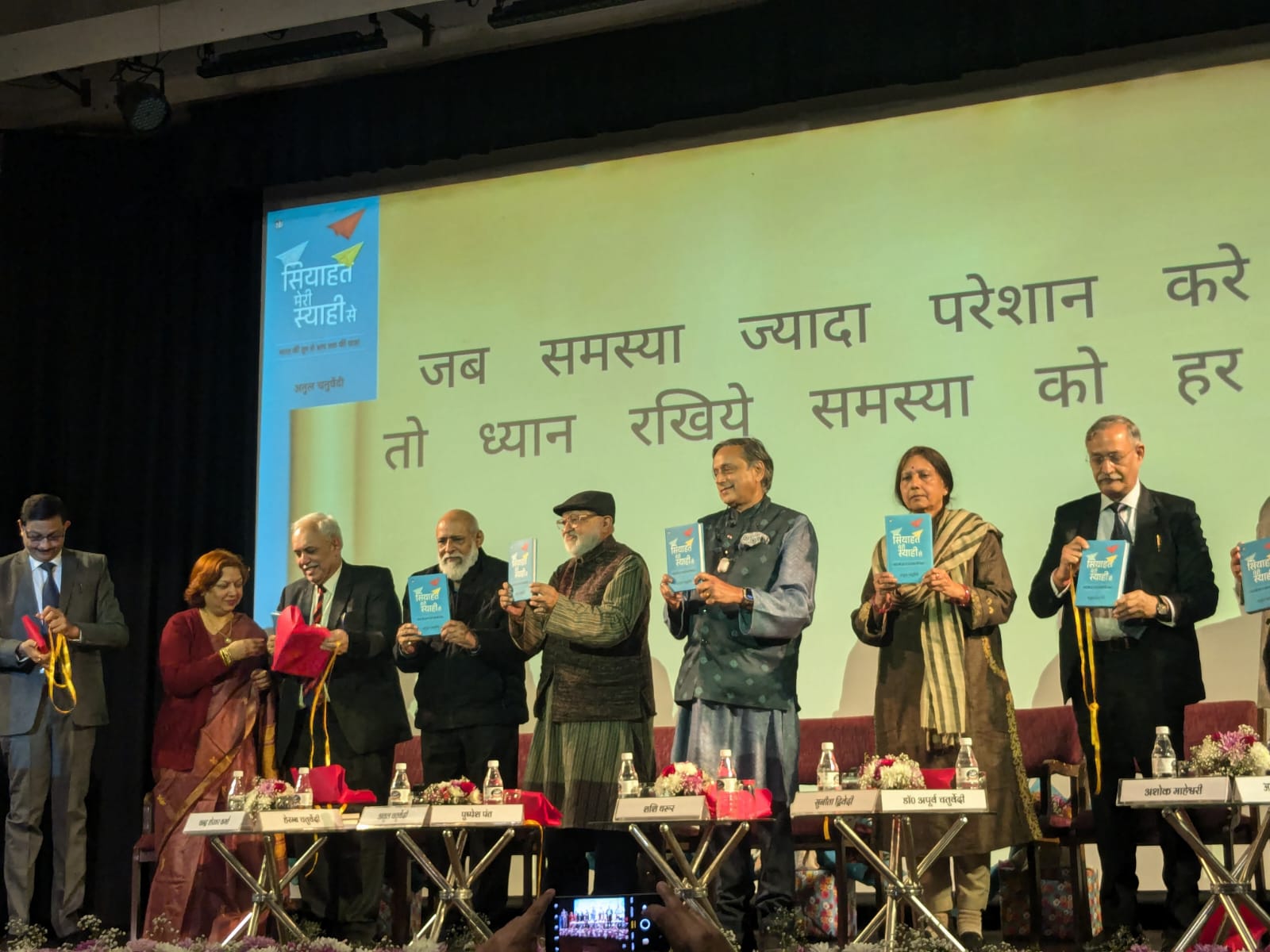
सियाहत मेरी स्याही से : अतुल चतुर्वेदी की पुस्तक का विमोचन
?????? ???? ?????? ?? : ???? ????????? ?? ?????? ?? ??????
चतुर्वेदी मेधावी छात्र पुरस्कार समारोह
????????? ?????? ????? ???????? ??????

Law Relating to the Armed Forces in India authored by Maj Gen Nilendra Kumar
Law Relating to the Armed Forces in India authored by Maj Gen Nilendra Kumar
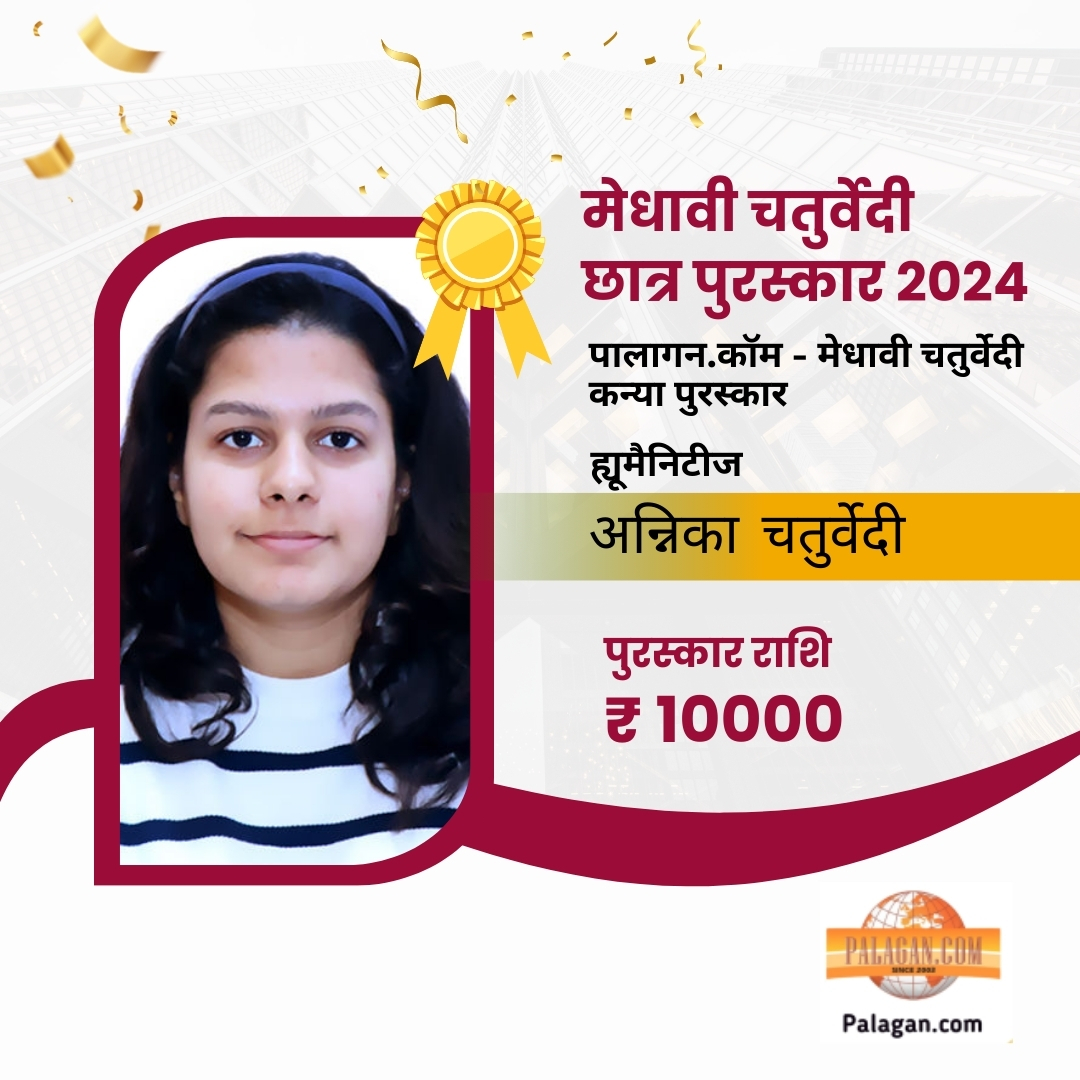
Annika Chaturvedi wins prize for her performance in Humanities Stream for 2024 passing out in 12th board exam
?????? ????????? ????? ???????? 2024
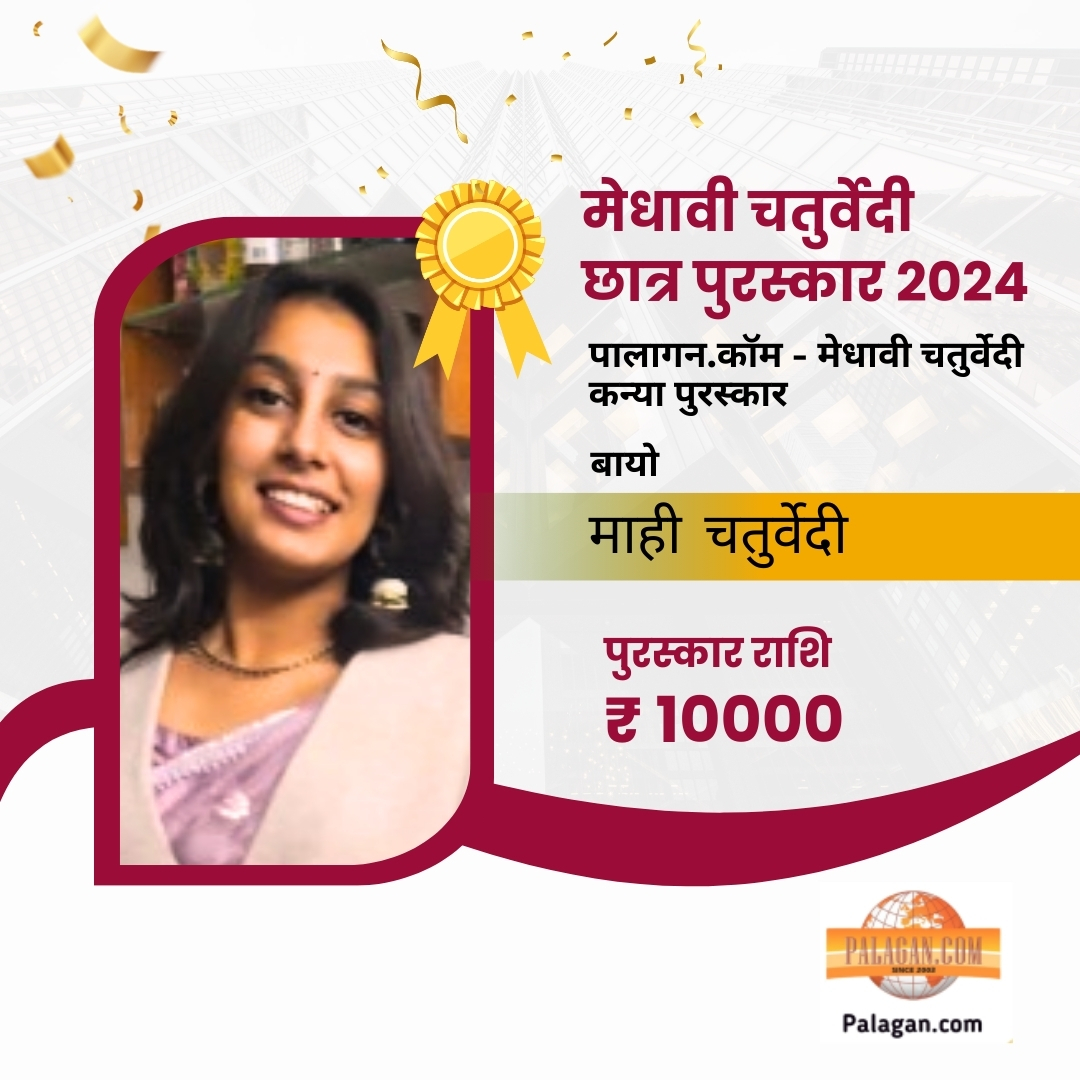
Mahi Chaturvedi wins prize for her performance in Bio Stream for 2024 passing out in 12th board exam
?????? ????????? ????? ???????? 2024
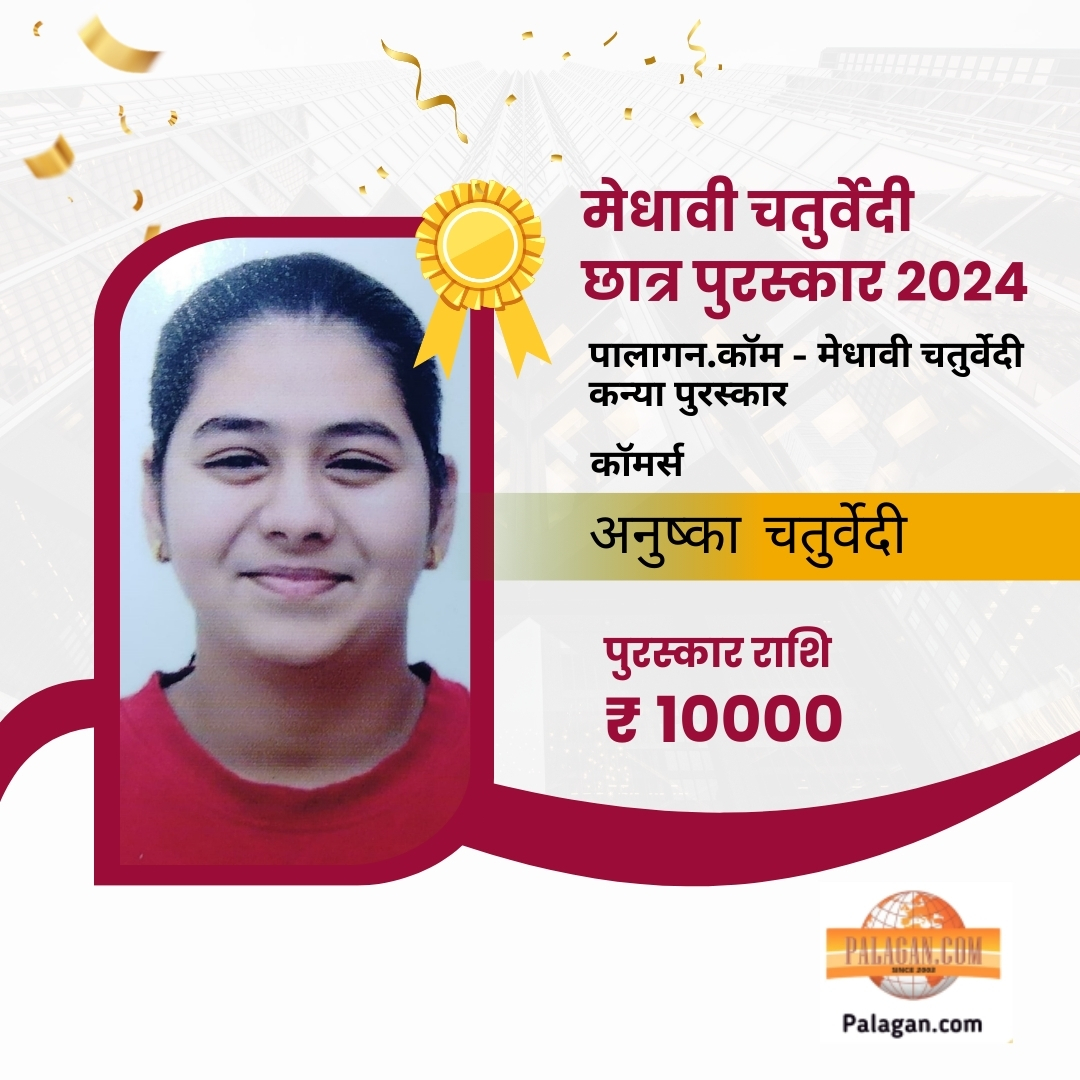
Anushka Chaturvedi wins prize for her performance in Commerce Stream for 2024 passing out in 12th board exam
?????? ????????? ????? ???????? 2024
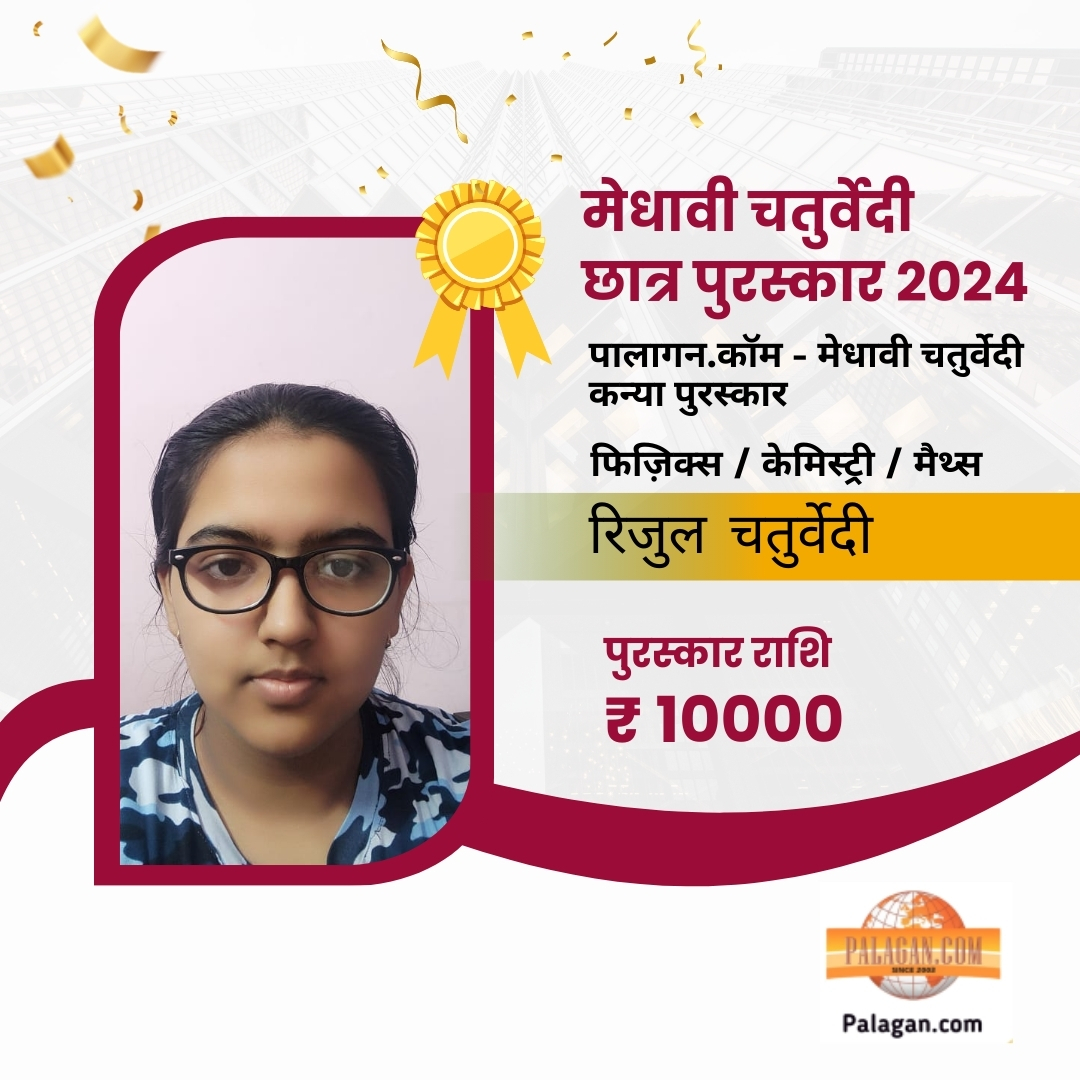
Rijul Chaturvedi wins prize for her performance in PCM stream for 2024 passing out in 12th board exam
?????? ????????? ????? ???????? 2024
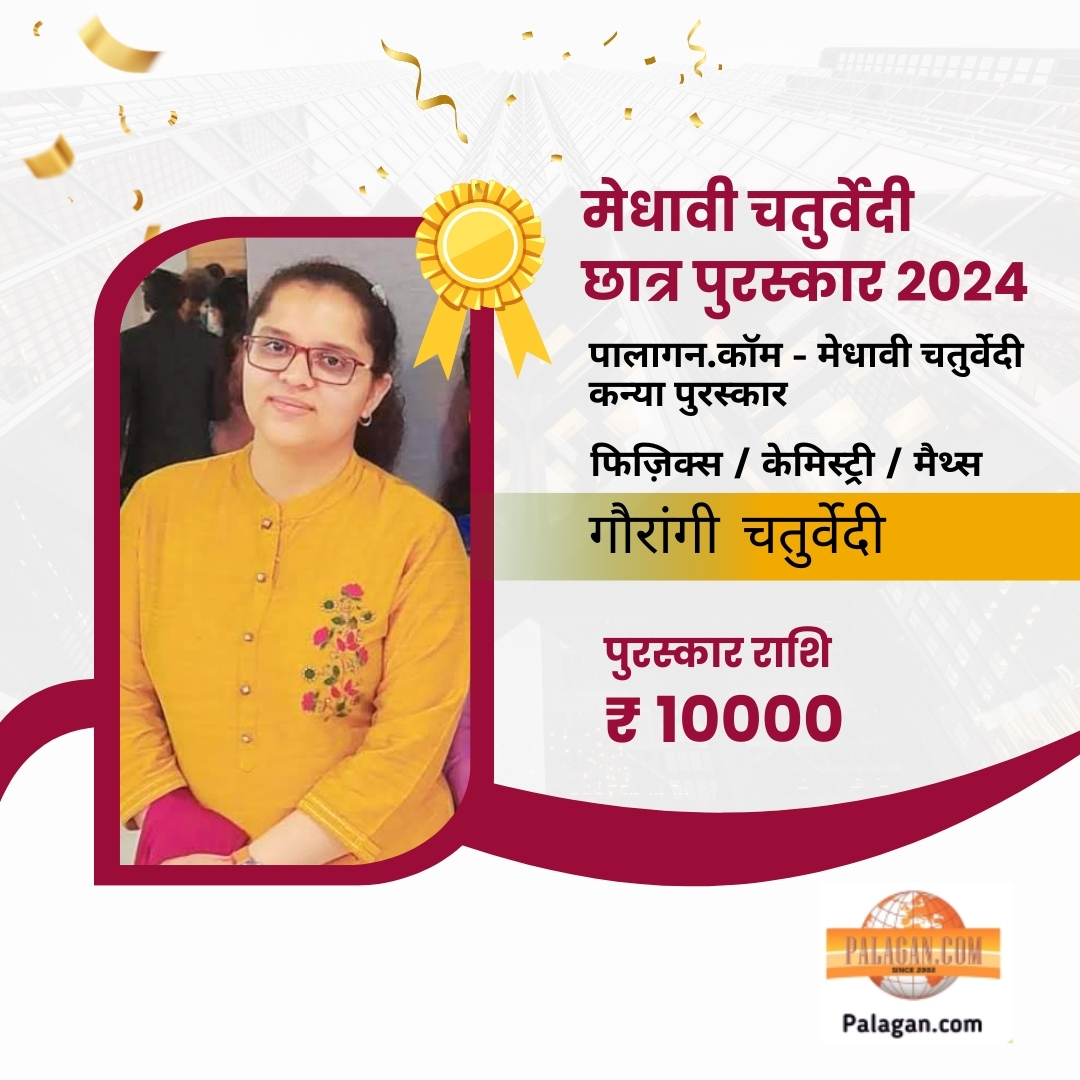
Gaurangi Chaturvedi wins prize for her performance in PCM stream for 2024 passing out in 12th board exam
?????? ????????? ????? ???????? 2024

Sammriddhi Chaturvedi wins prize for her performance in Languages for 2024 passing out in 12th board exam
?????? ????????? ????? ???????? 2024
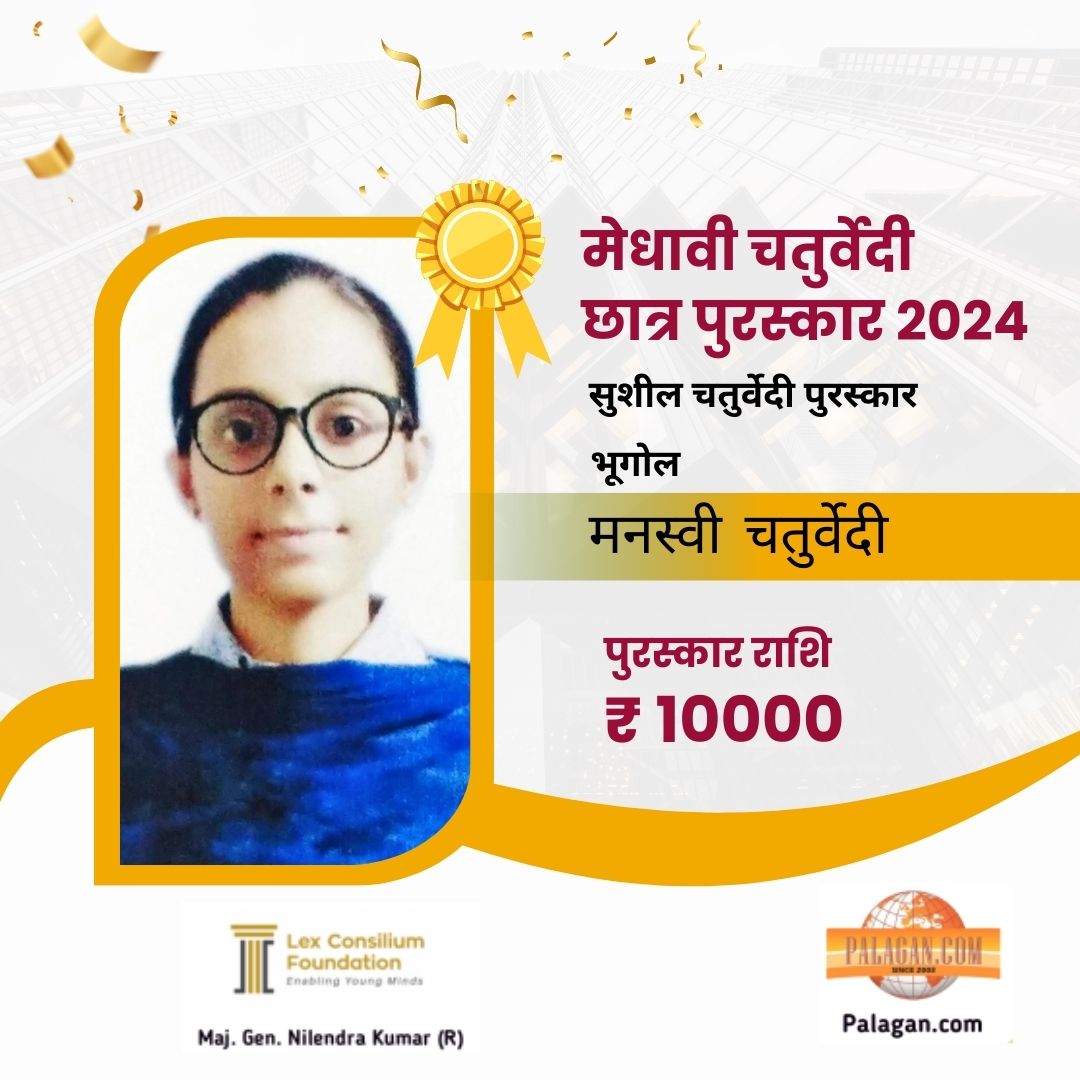
Mansvi Chaturvedi wins prize for her performance in Geography subject for 2024 passing out in 12th board exam
?????? ????????? ????? ???????? 2024

Gaurangi Chaturvedi wins prize for her performance in Computer Science subject for 2024 passing out in 12th board exam
?????? ????????? ????? ???????? 2024
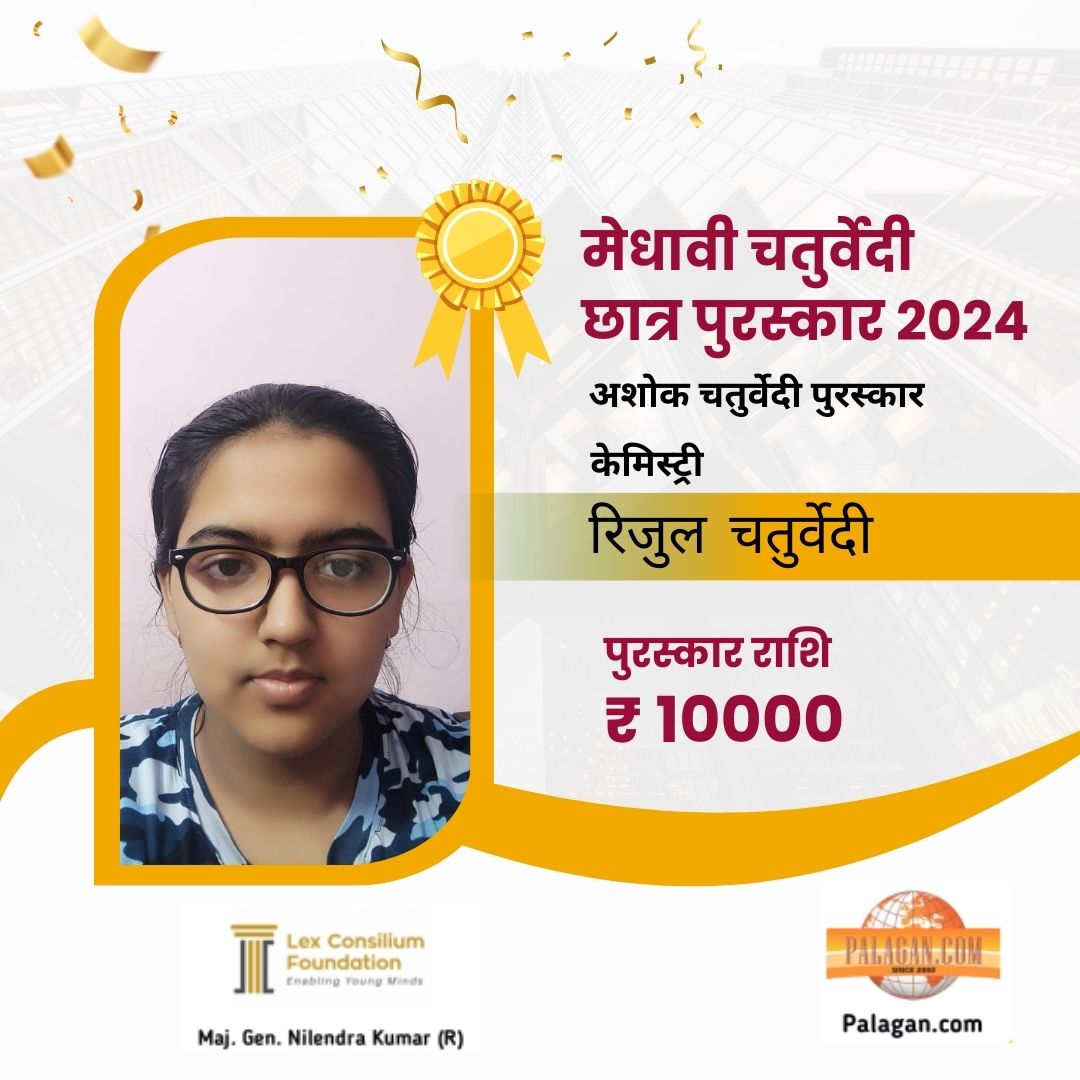
Rijul Chaturvedi wins prize for her performance in Chemistry subject for 2024 passing out in 12th board exam
?????? ????????? ????? ???????? 2024
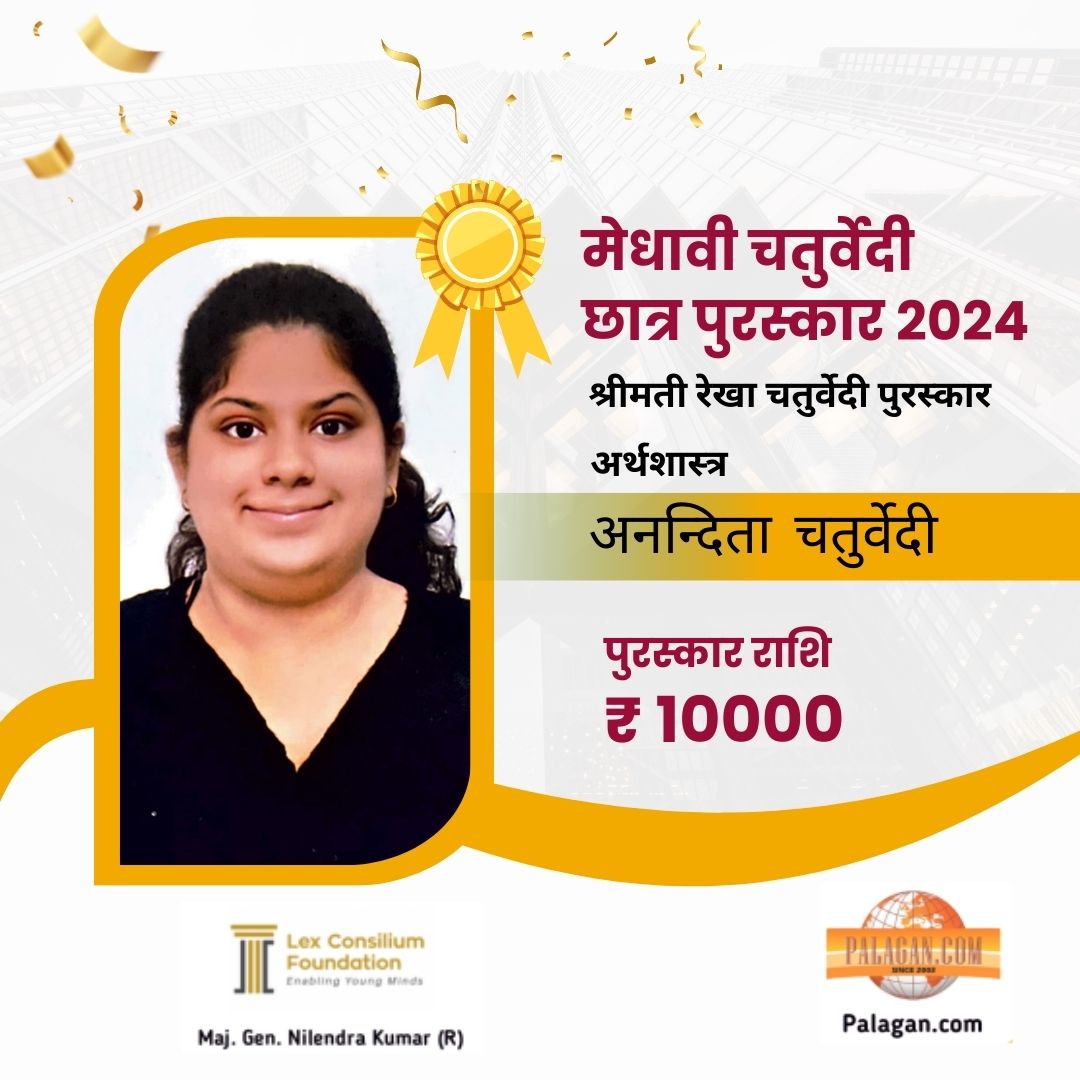
Anandita Chaturvedi wins prize for her performance in Economics subject for 2024 passing out in 12th board exam
Anandita Chaturvedi wins prize for her performance in Economics subject for 2024 passing out in 12th board exam
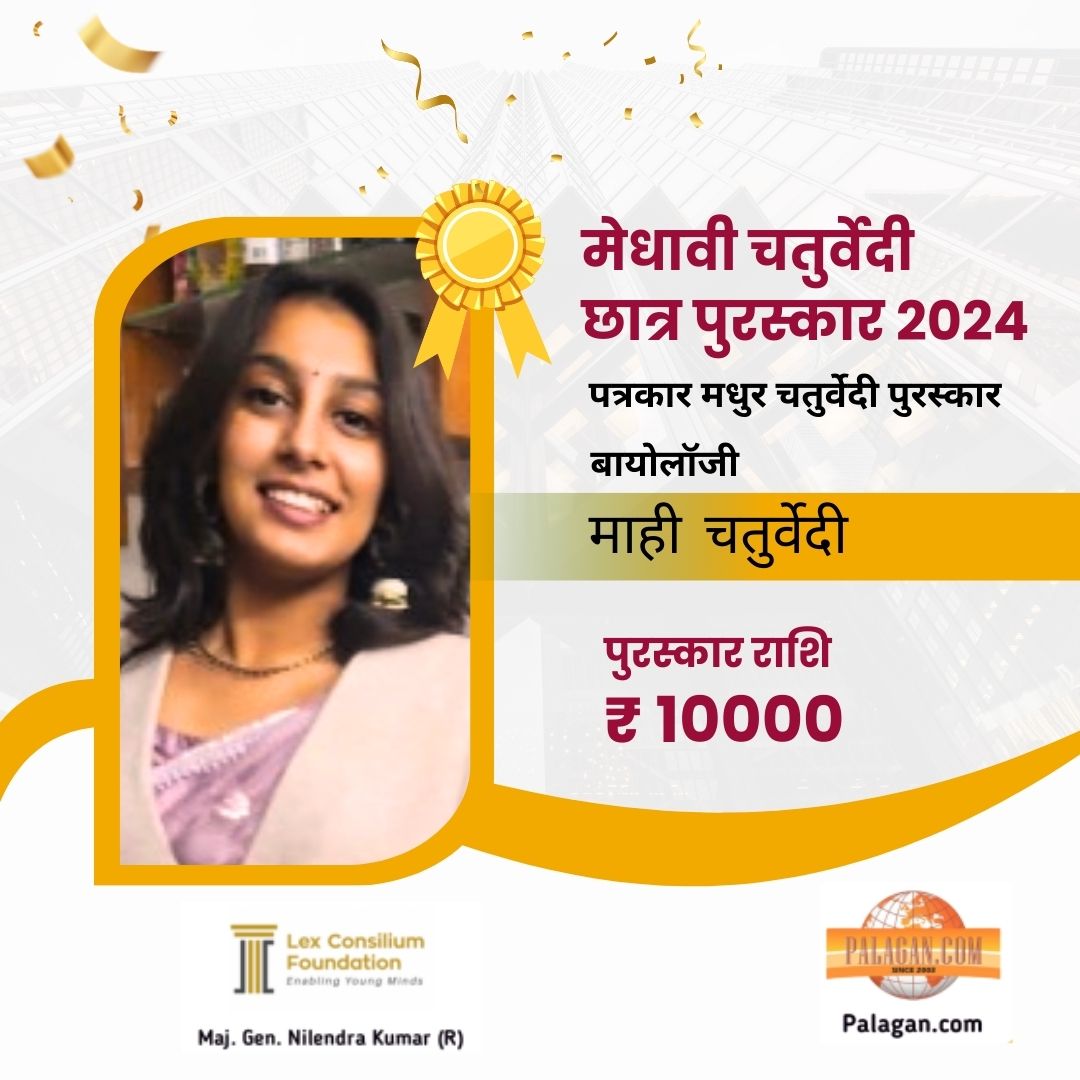
Mahi Chaturvedi wins prize for her performance in Biology subject for 2024 passing out in 12th board exam
?????? ????????? ????? ???????? 2024
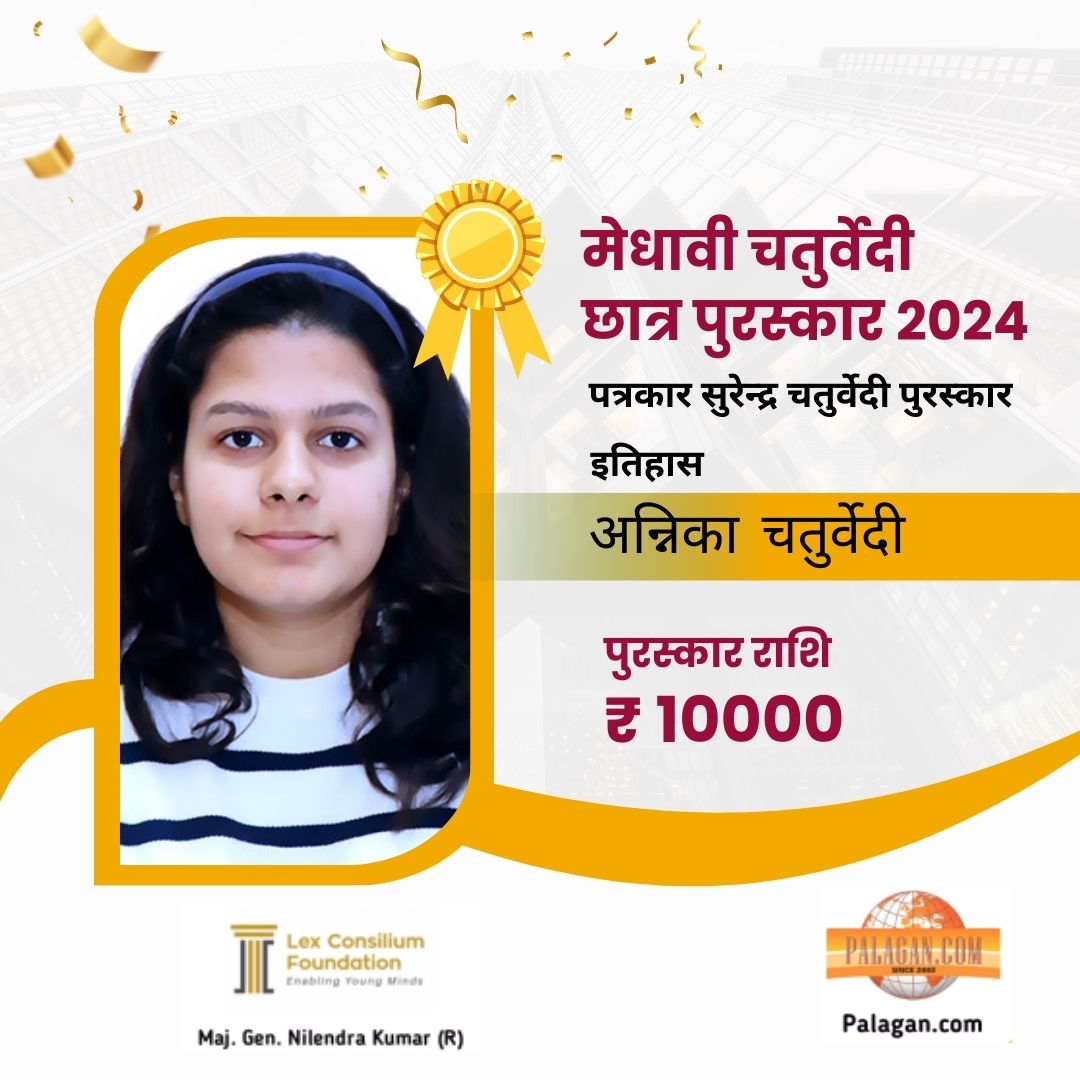
Annika Chaturvedi wins prize for her performance in History subject for 2024 passing out in 12th board exam
?????? ????????? ????? ???????? 2024
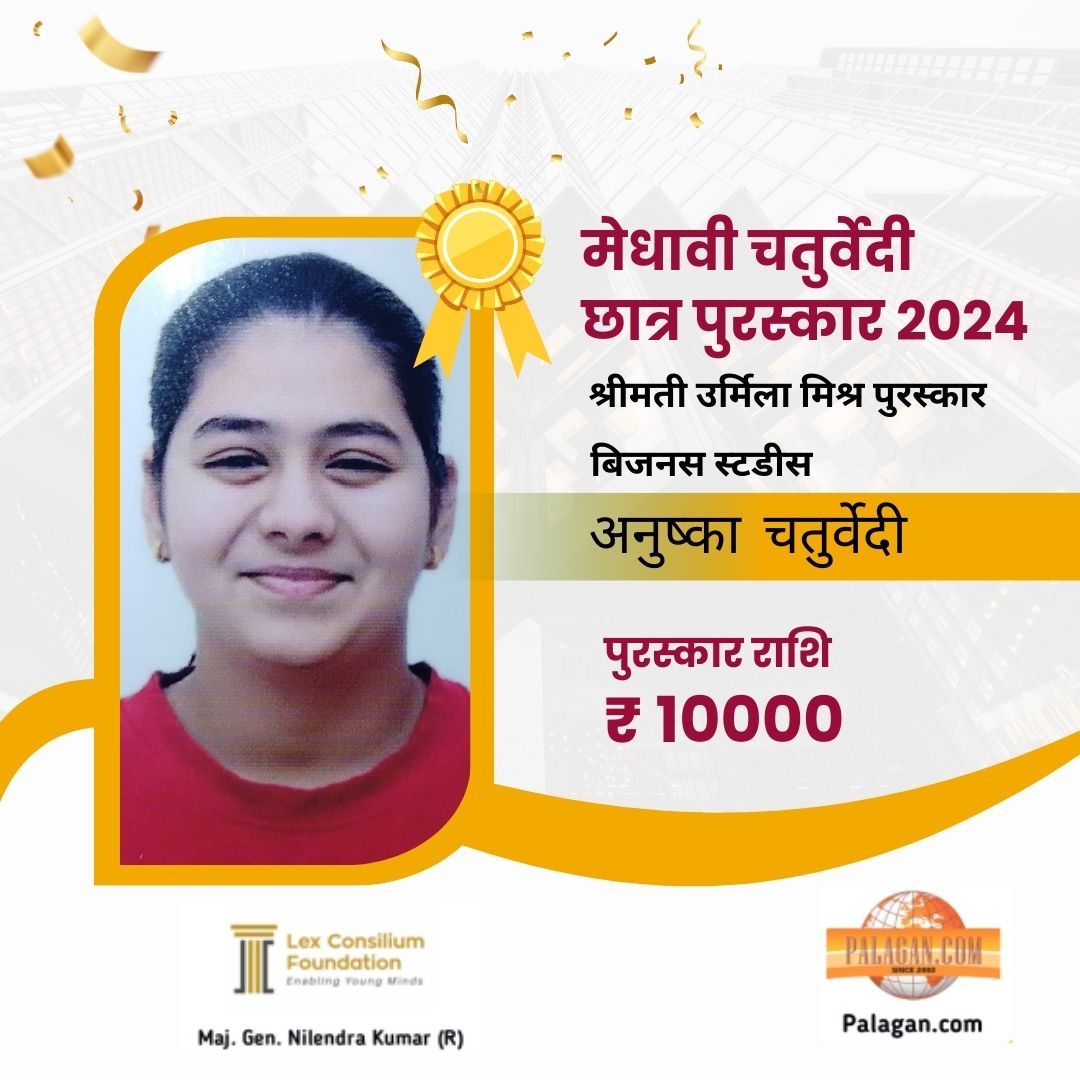
Anushka Chaturvedi wins prize for her performance in Business Studies subject for 2024 passing out in 12th board exam
?????? ????????? ????? ???????? 2024
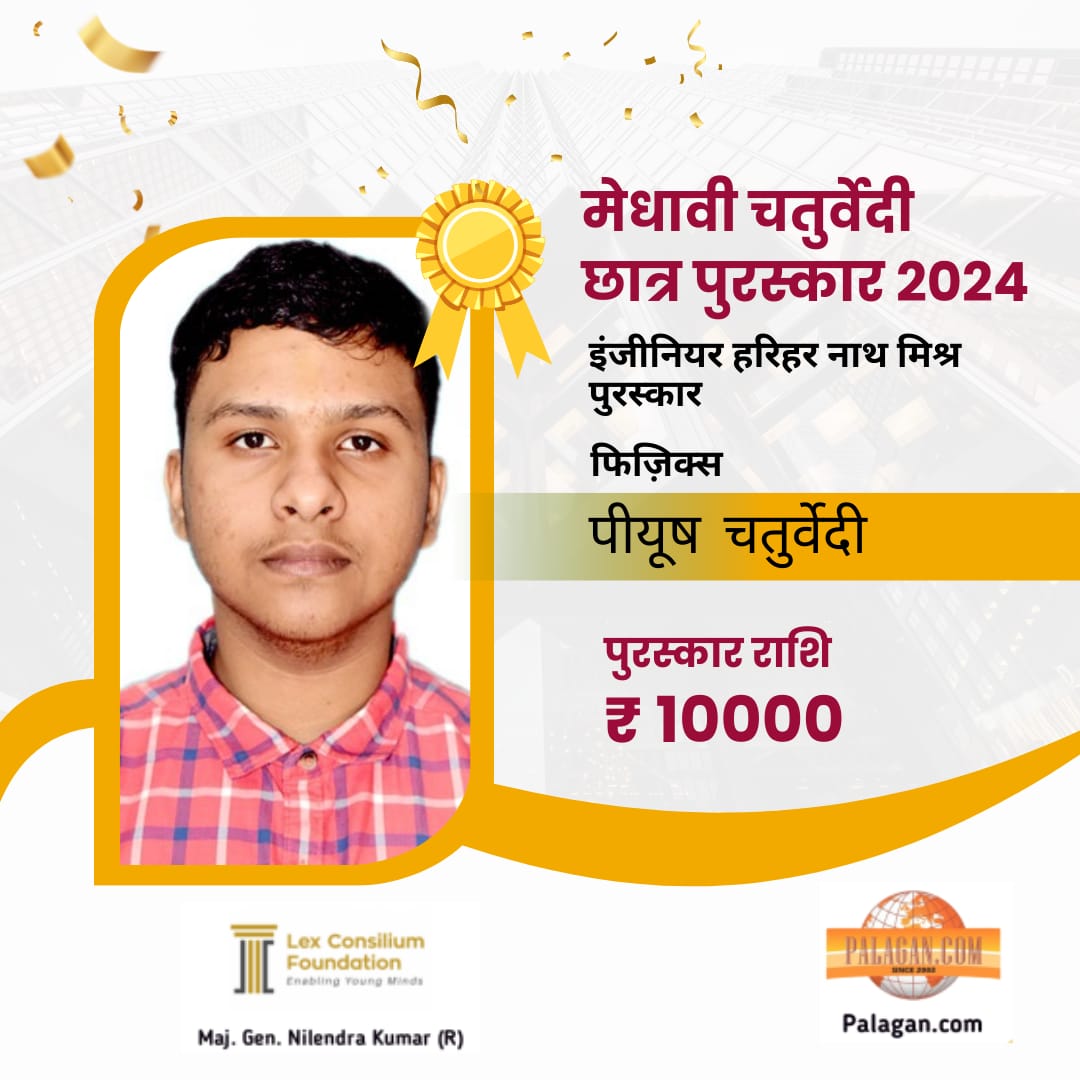
Piyush Chaturvedi wins prize for his performance in Physics subject for 2024 passing out in 12th board exam
?????? ????????? ????? ???????? 2024
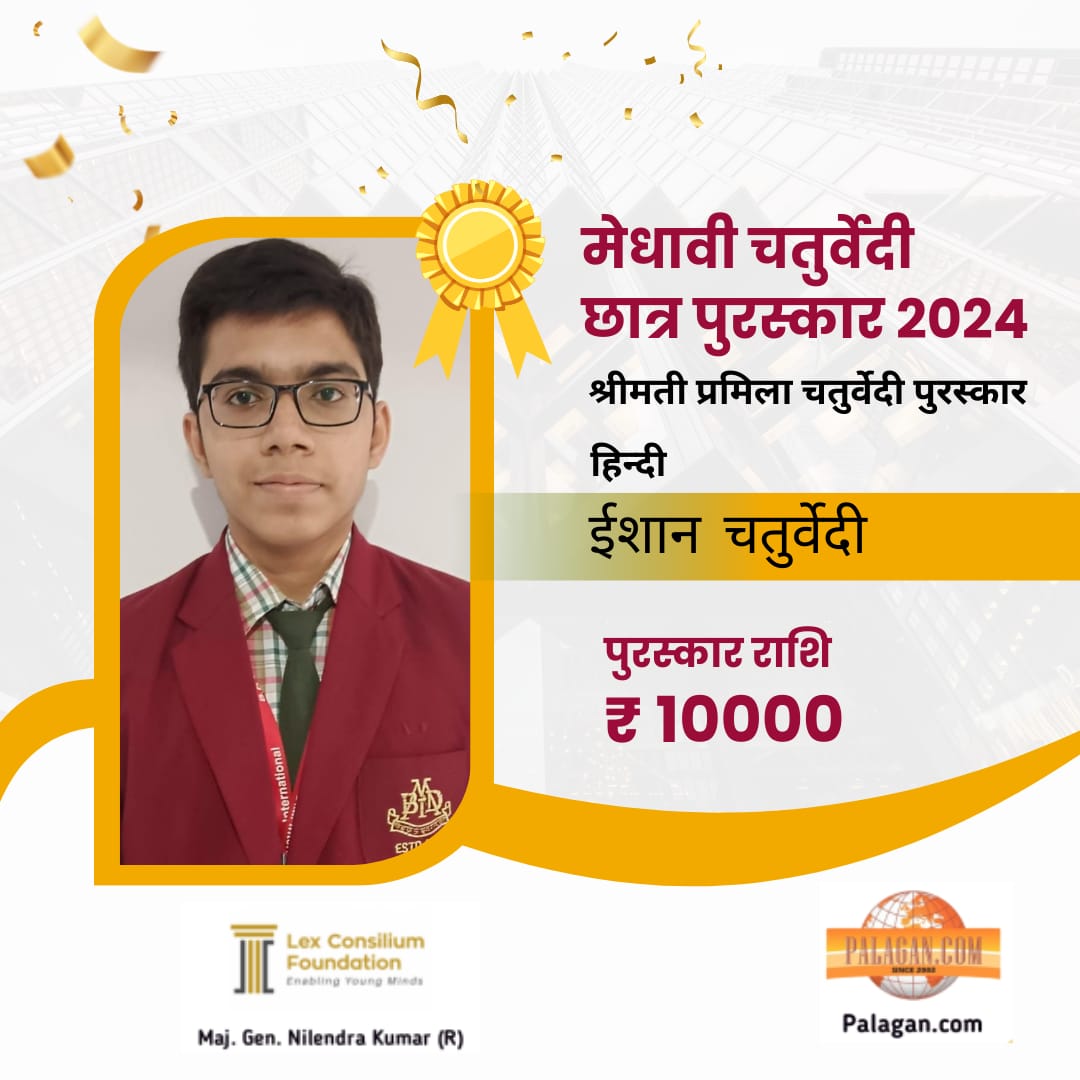
Ishan Chaturvedi wins prize for his performance in Hindi subject for 2024 passing out in 12th board exam
?????? ????????? ????? ???????? 2024
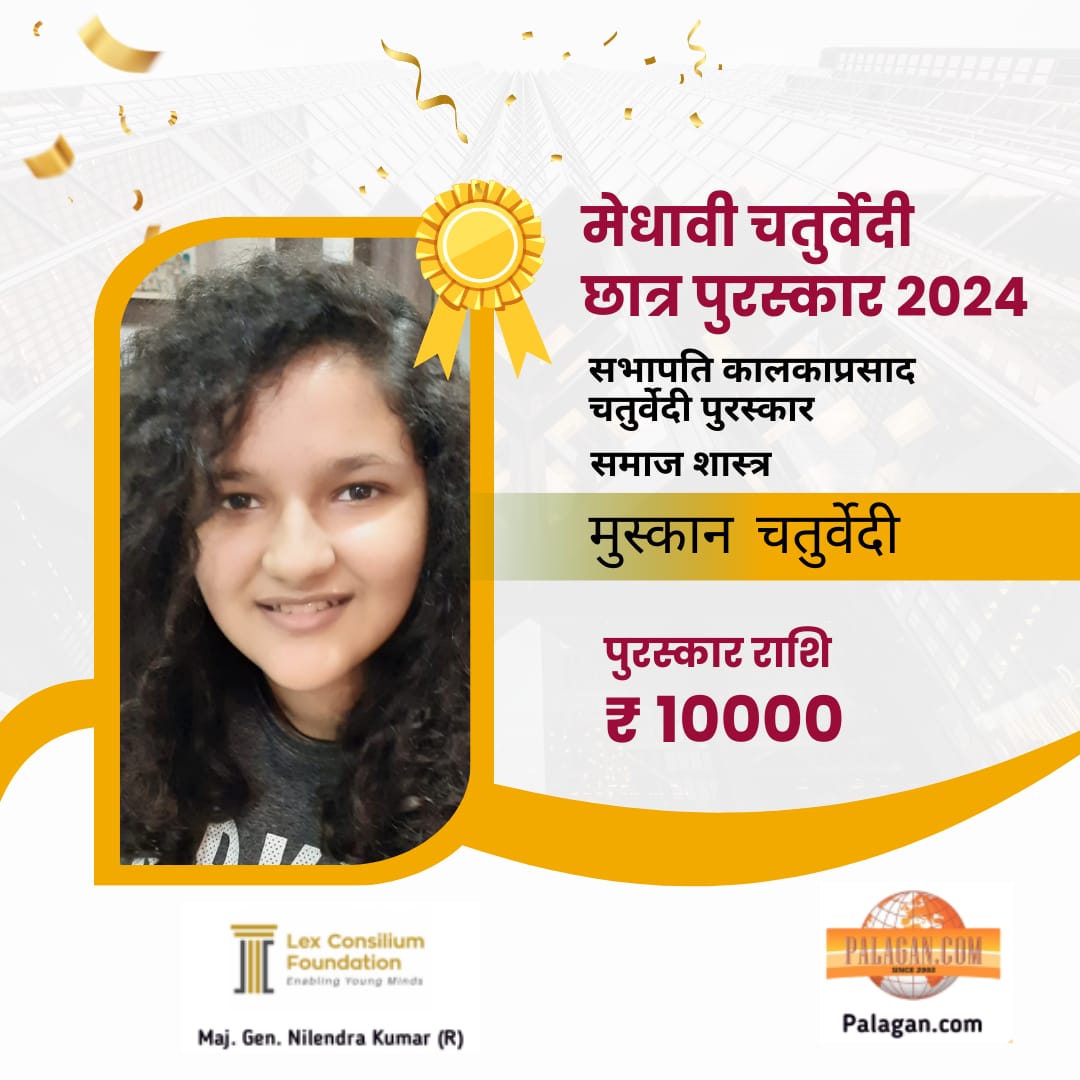
Muskan Chaturvedi wins prize for his performance in Social Studies subject for 2024 passing out in 12th board exam
?????? ????????? ????? ???????? 2024

Divyeh Chaturvedi wins prize for his perfroamce in Maths subject for 2024 passing out in 12th borad exam
?????? ????????? ????? ???????? 2024
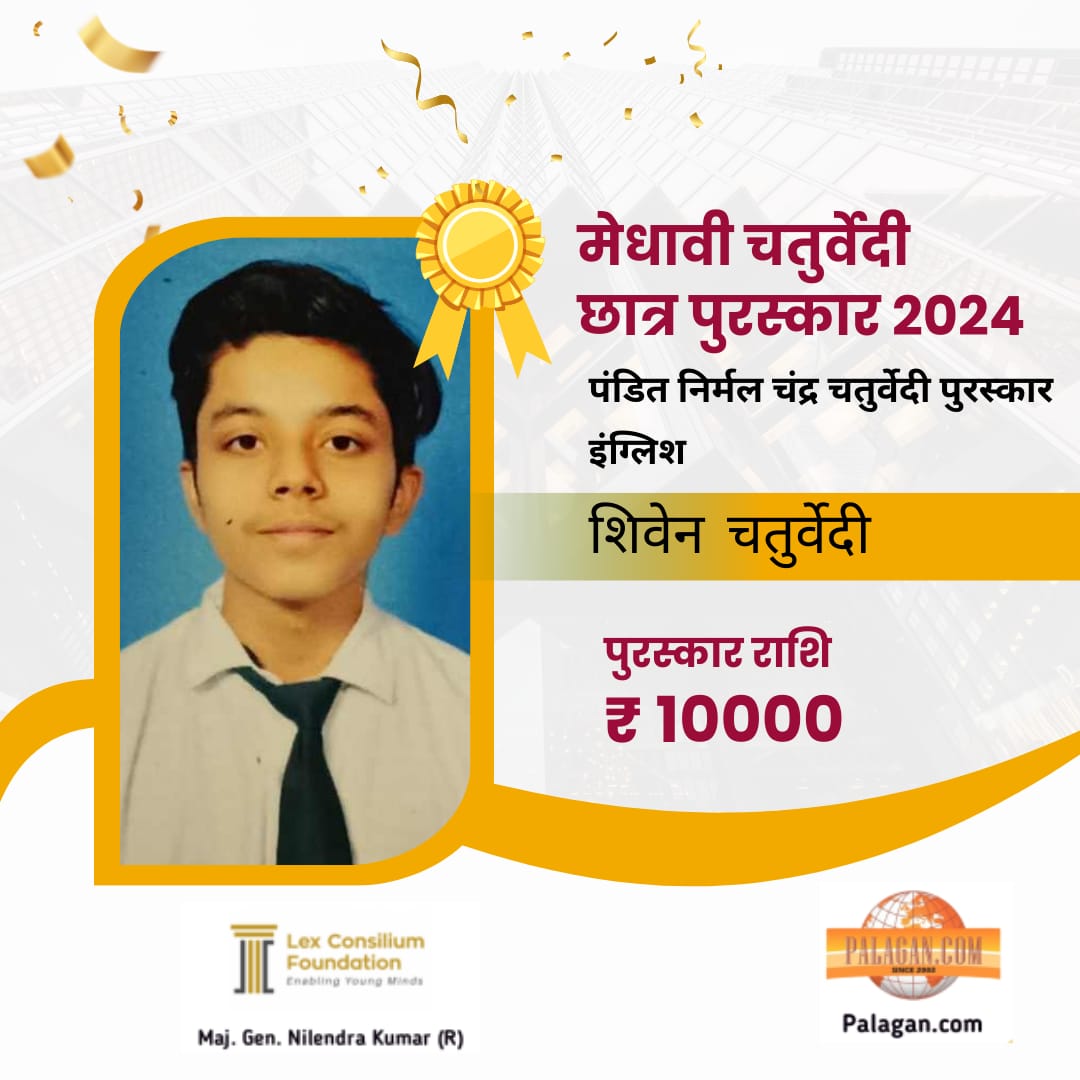
Shiven Chaturvedi wins prize for his perfroamce in English subject for 2024 passing out in 12th borad exam
?????? ????????? ????? ???????? 2024
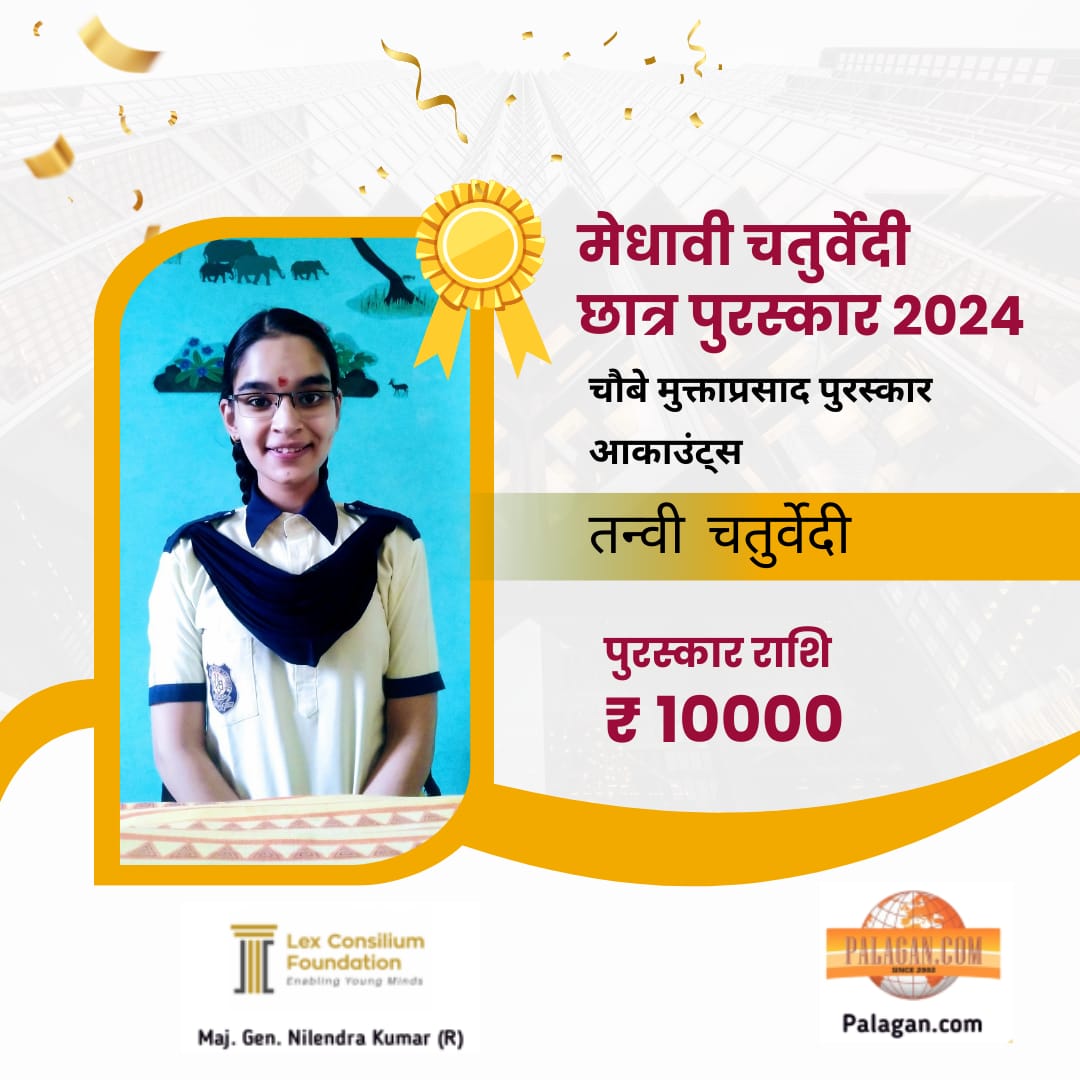
मेधावी चतुर्वेदी छात्र पुरस्कार 2024
Tanvi Chaturvedi wins prize for her performance in Accounts subject for 2024 passing out in 12th board exam

Ankur Chaturvedi and his wife Neha from Mumbai bag prestigeous ETBrand Equity Award
Ankur Chaturvedi and his wife Neha from Mumbai bag Prestigeous ETBrandEquity Award
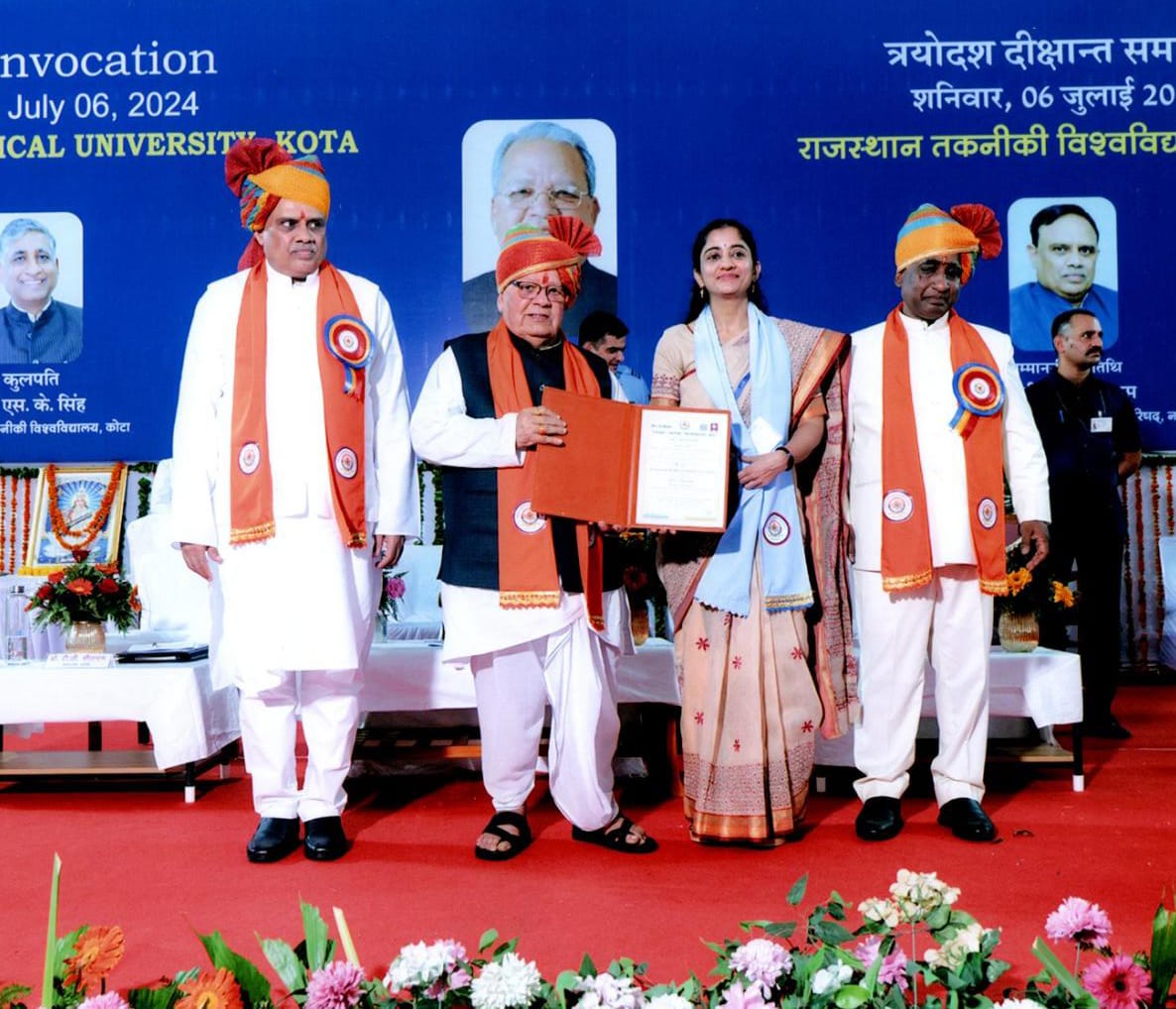
Pallavi Chaturvedi gets doctorate on her research in Wind Energy
Pallavi Chaturvedi gets doctorate on her research in Wind Energy

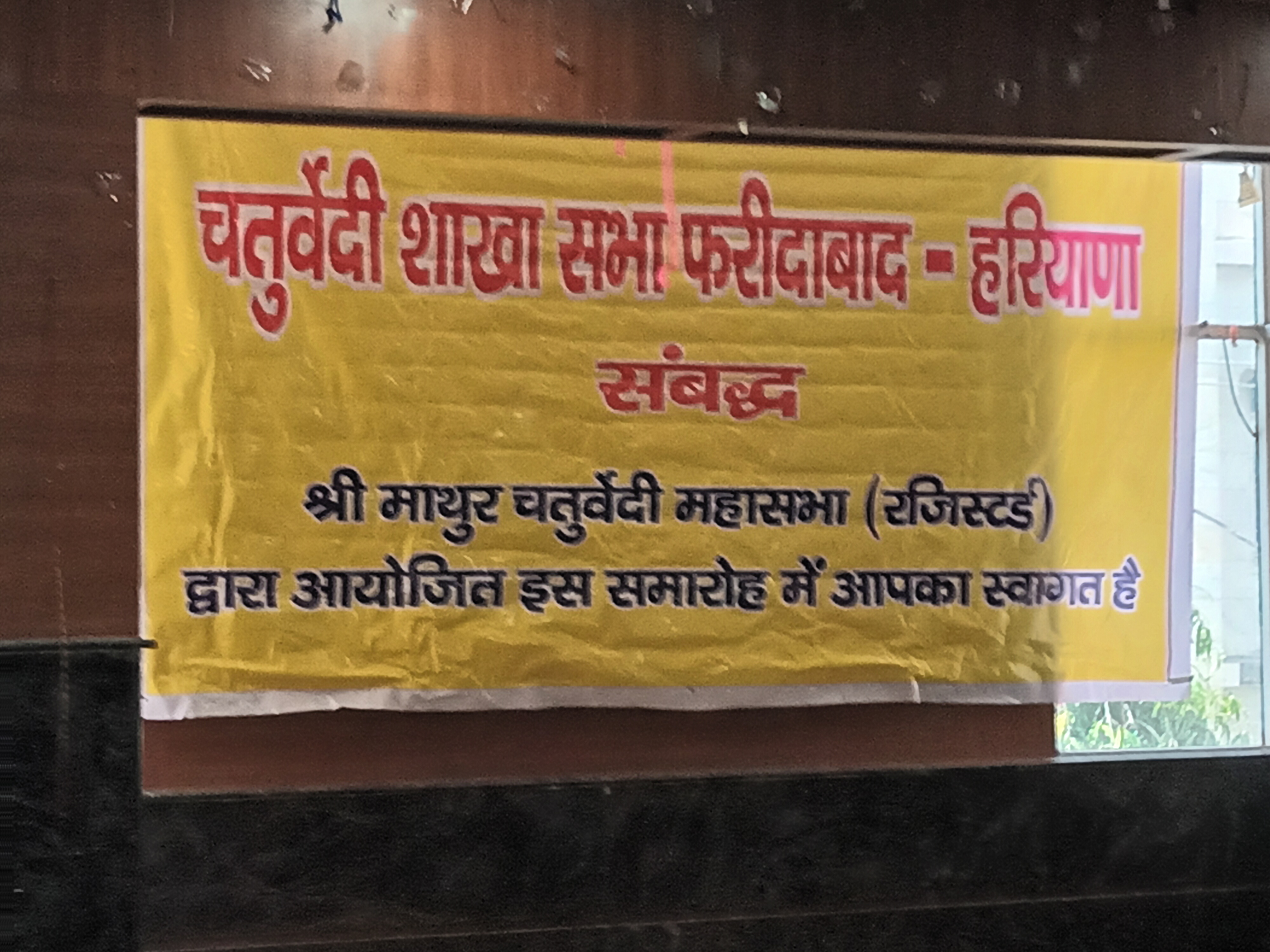
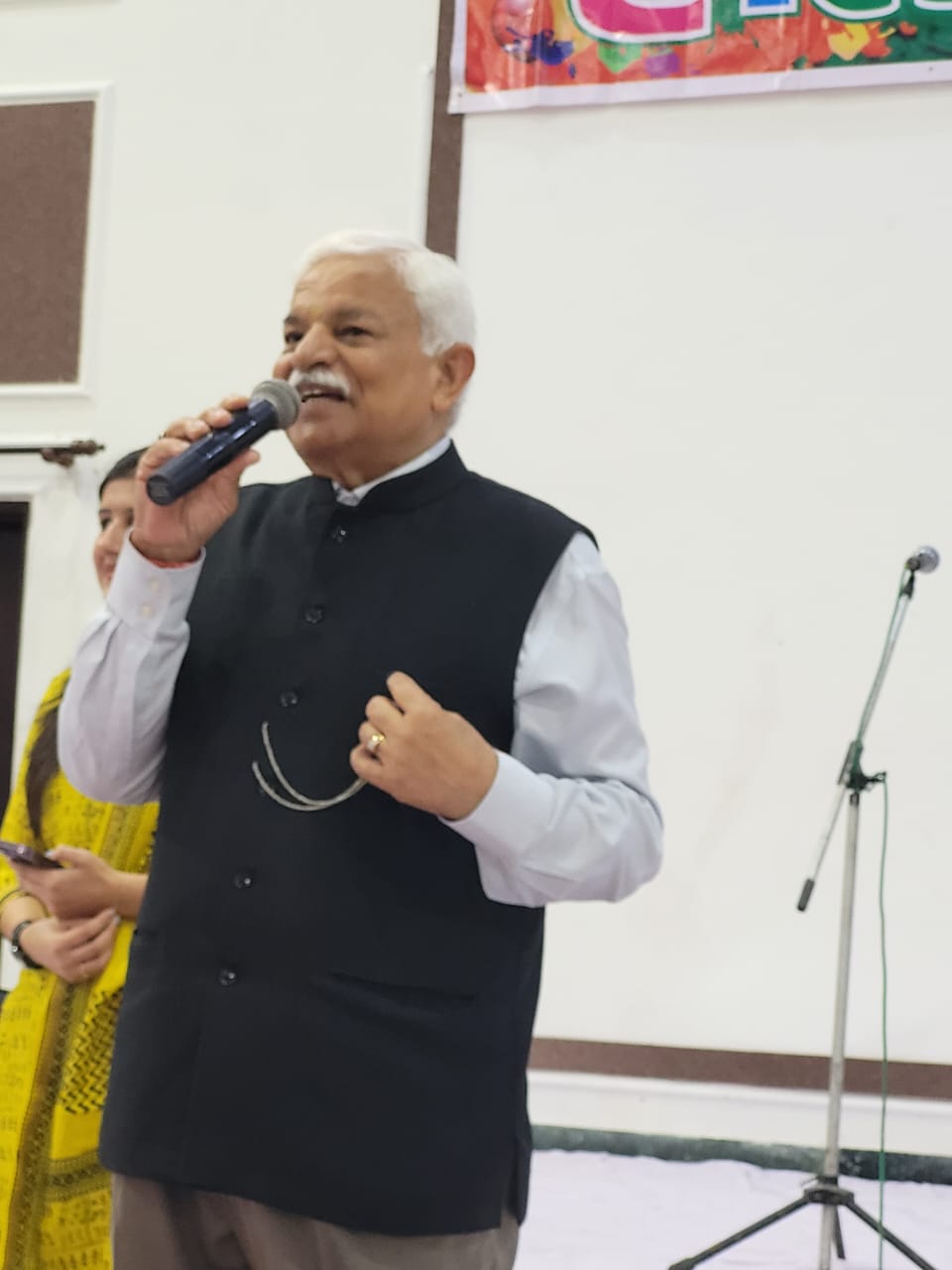
नोएडा में होली मिलन 2024 का सफल आयोजन
????? ?????? ????? ?? ????? ????? ????????? ????? ?????? 82 ??? ???? ???? ?????? ??? ?? ???? ???????? ???? ?? ???????? ???? ??????? ?? ????? ???? ????? ?????? ?? ????? ????? ?????? ???? ???? ?? ???????? ?? ????????? ??? ?? ???? ?? ?? ???? ???? ??????? ?? ???? ???? ????? ?? ??????? ?? ?? '?????? ????' ?? ???? ?? '?????????' ????? ?????, ??? ????????? ???? ????? ????????? ?? ?? ?????? ( ????, ??????? ????? ) ?? ??? ???-??? ?? ??? ????? ?? ???????? ??????? ?? ?? ?? ?? ????? ????? ??? ?????? ?? ?? ????????? ?? ???????? ????? ??? ????? ????? ???? ?? ??? ????, ??????? ?? ????? ?????? ( ?????? ?? ?? ????? ??) ?? ???? ????? ???? ???? ?? ???????? ????? ????? ??? ???? ?? ??????? ???? ?? ???????? ????????? ???? ??? ?? ( ????? ), ????? ??, ?????????? ??, ???? ??,???? ??,????? ??, ???? ??,????, ?????? ??, ????? ??,???? ?? ?? ???? ???? ???? ?? ?? ???????? ???? ???? ?? ?????? ???????? ????? ???? ????? ?? ???? ????? ??? ?? ????????? ?? ?????? ????? ????? ????????? ?? ???? ?????? ??? ??? ?? ???? ???????? ???? ?? ????????? ?? ???? ????? ????? ?????????? ???????? ??? ??, ????? ????????? ?????? ?? ?? ?????? ?? ?? ??? ?? ???????? ?? ?????? ????? ????? ??? ???? ?????, ?????? ?? ?????? ?? ?? ???? ????? ???? ?????? ???? ???????? ?? ????? ?? ?? ???? ??? ??????????? ??? ?? ????? ???? ??? ?? ???? ???? ???????, ?? ????? ?? ???? ??? ???? ??? ?? ?????? ??? ???? ???? ????? ?? ??????, ?? ?? ?? ????? ???? ???? ??? ??? ?? ??????? ???? ???? ???????,



Akhil Chaturvedi head of sales and distribution, Motilal Oswal AMC reports start of inflow in MFs
Akhil Chaturvedi Head of Sales and Distribution, Motilal Oswal AMC reports start of inflow in MFs
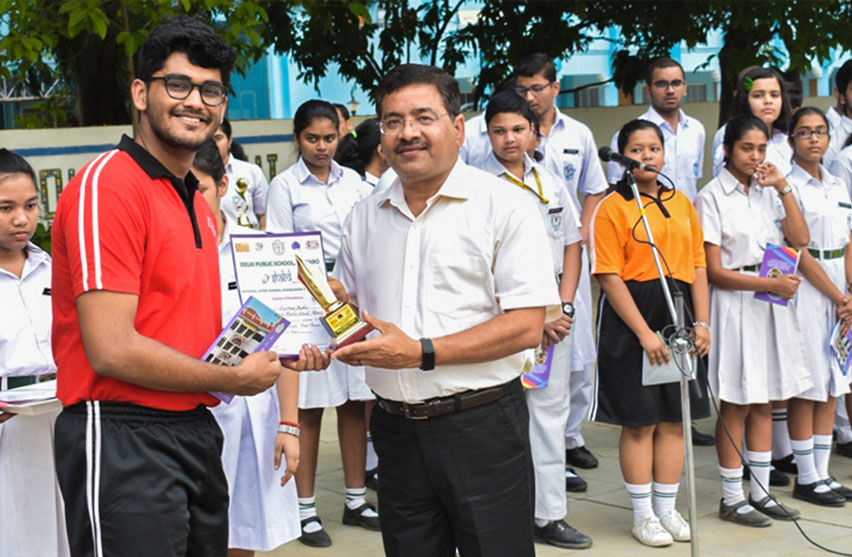
Aranya Chaturvedi of DPS Ranchi Shines in Model United Nations event
Aranya Chaturvedi of DPS Ranchi Shines in Model United Nations event
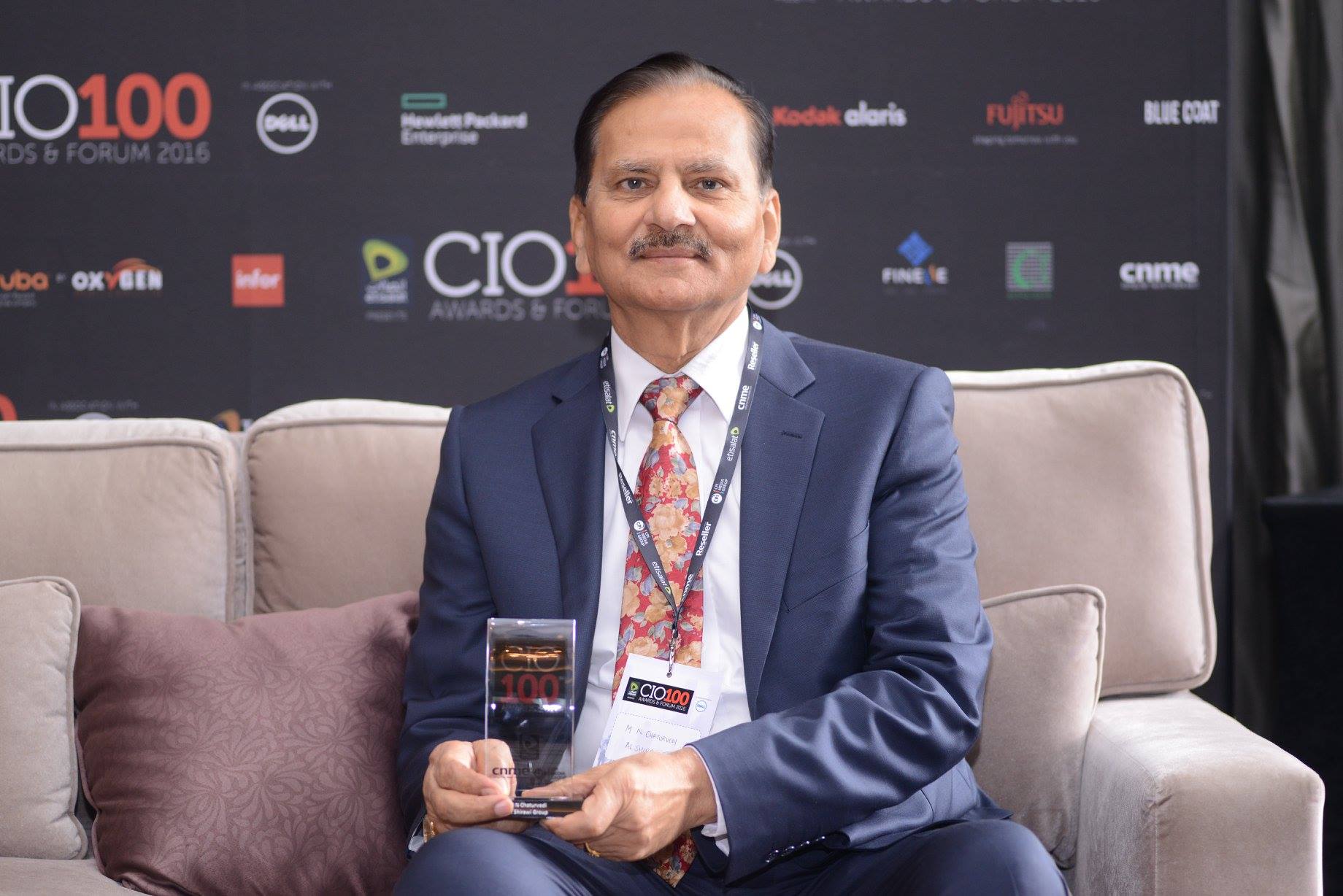
Madhukar Chaturvedi announces scholarship for coaching Chaturvedi students for Engneering
Madhukar Chaturvedi announces scholarship for coaching Chaturvedi students for Engneering
Crispy Potato Chips Recipe || Instant Potato Chips || आलू के वेफर्स || Potato Wafers
Crispy Potato Chips Recipe || Instant Potato Chips || ??? ?? ?????? || Potato Wafers
Indraprasth to Delhi. A talk by Prof Neera Misra
Indraprasth to Delhi. A talk by Prof Neera Misra
Chaturvedi Holi
Chaturvedi Holi
Shakarkand Halwa Recipe || Sweet Potato Halwa Recipe ||
Shakarkand Halwa Recipe || Sweet Potato Halwa Recipe ||
Smaeer Chaturvedi Shares his experience with COVID app Arogya Setu
Smaeer Chaturvedi Shares his experience with COVID app Arogya Setu
From Army cadet to corporate | Ankur Chaturvedi on NEVER SAY DIE
Ankur Chaturvedi' never say die approach has seen him going places.

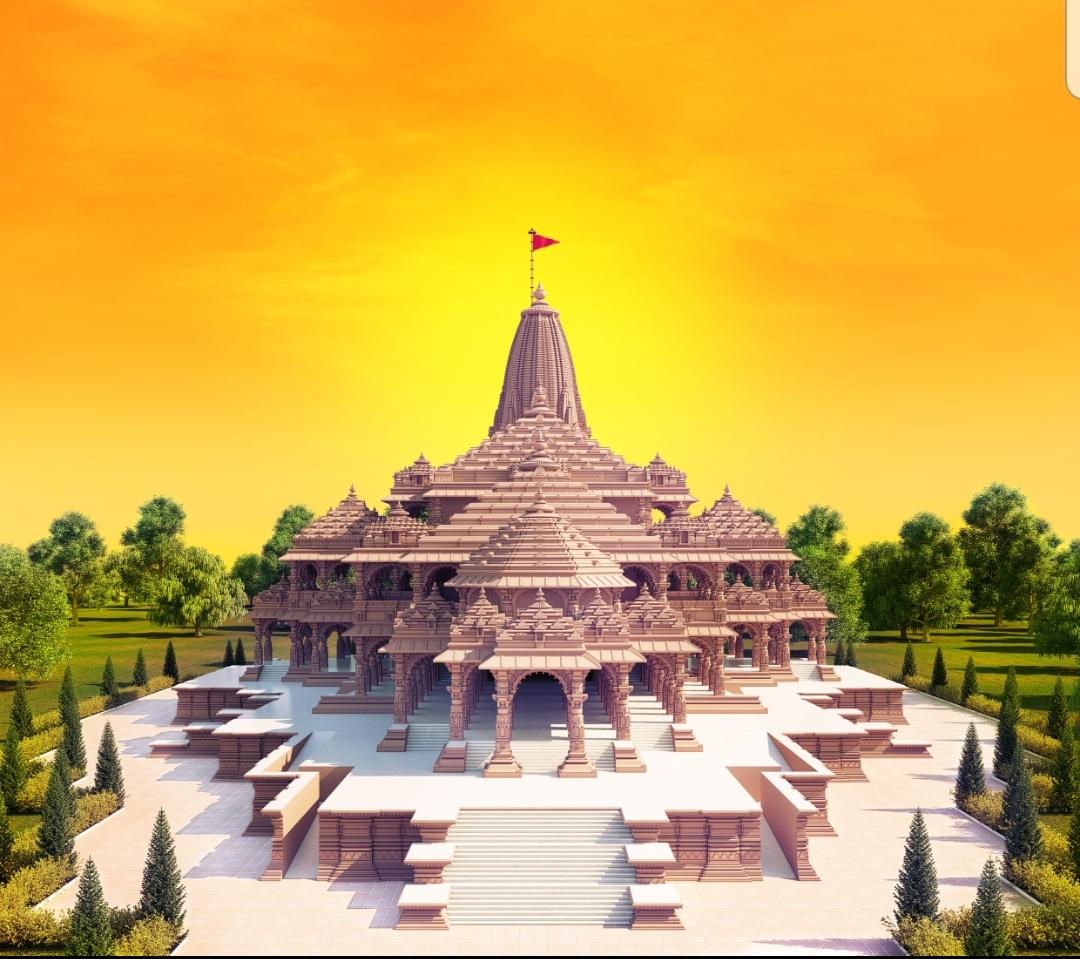
Sachin Chaturvedi, Director RIS , Delhi based Think Tank on option in front of the nation
Sachin Chaturvedi, Director Research and Information System for Developing Nations , A Delhi based Think Tank explains various options in front of India to substitute imports from China
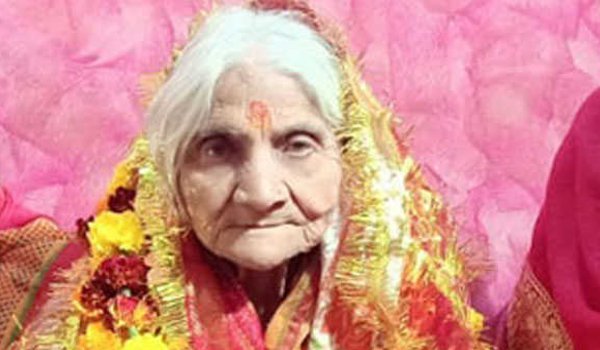
Urmila Chaturvedi,81, to end 27 year old fast with Ram Mandir Bhoomi Pujan
Urmila Chaturvedi of Jabalpur in Madhya Pradesh had in vowed in '92 that she would only eat grains till the construction of the Ram Mandir begins in Ayodhya
THE VRINDAVAN PROJECT AT SHRI RADHA RAMAN TEMPLE, Conceptualised & directed by Manjari Chaturvedi
THE VRINDAVAN PROJECT AT SHRI RADHA RAMAN TEMPLE, Conceptualised & directed by Manjari Chaturvedi
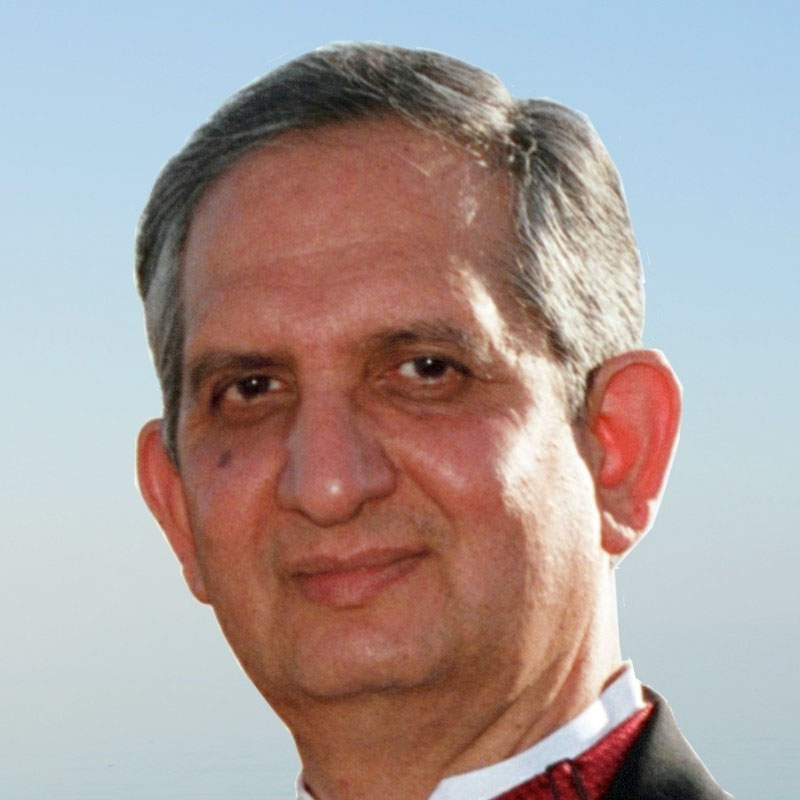
Anil Chaturvedi, MD Hinduja Bank Switzerland
Read interview with Anil Chaturvedi , He currently works as the Managing Director for Hinduja Bank in Switzerland, where he is responsible for bringing in new business, as well as developing new products for Hinduja Bank clients.

Young writers Contest 2020 - Results
Young writers Contest 2020 - Results
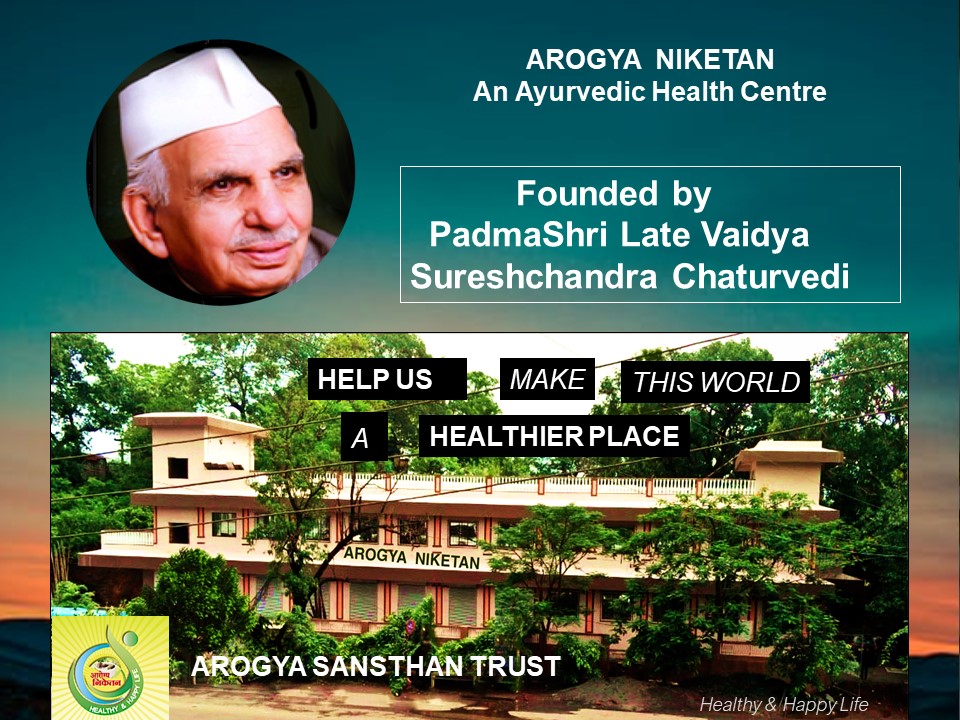
Arogya Niketan : Ayurveda Health Center : Late PadmaShri Vaidya Suresh Chaturvedi
Arogya Niketan : Charitable Services for better health through Ayurveda by Late PadmaShri Vaidya Suresh Chaturvedi : Founder Arogya Sansthan Trust
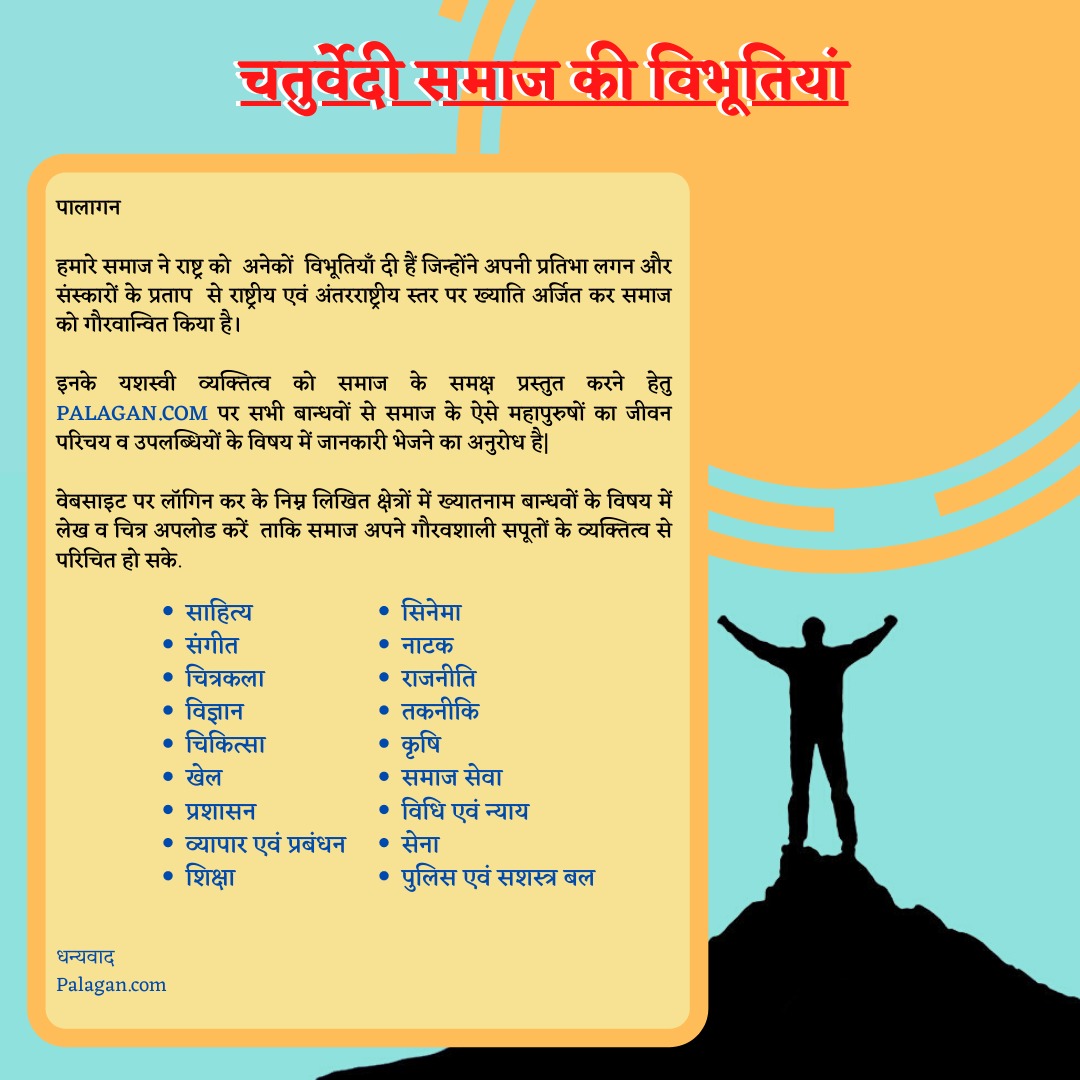
Compilation of The Life and Times of Eminent Chaturvedis
The project to compile Life Sketches of Members of our community wo have contributed immensely to hold the honour of country and community very high.


Mother’s day, the day to celebrate the day of creator
With the times people have started realising that it is not a bad thing if you shed tears while thinking your mother.

Metro Ride
A keen observation of life inside a Metro train by regular commuter where small details have so much hidden social messaging.
.jpeg)
विज्ञान और भारतीय दर्शन
Modern Physics in Shankhya Darshan

Great Consciousness
The thing about a great realisation is that it flips your perceptions for life, makes you dive into your deep subconscious.

GEN-Z AND RELIGION
It is a rather common misconception to think that religion has to do with god, or gods and supernatural beings or a supernatural or spiritual dimension or greater reality. None of that is absolutely necessary because there are religions that are without those elements.

Kashmir: The anecdote of a modern woman
A demon in disguise of suitor (Pakistan)is after her life and has made her life hell. He wants to destroy her, overpower her but look at her kindness, she despite knowing it all, feeds him with water and makes his survival possible.
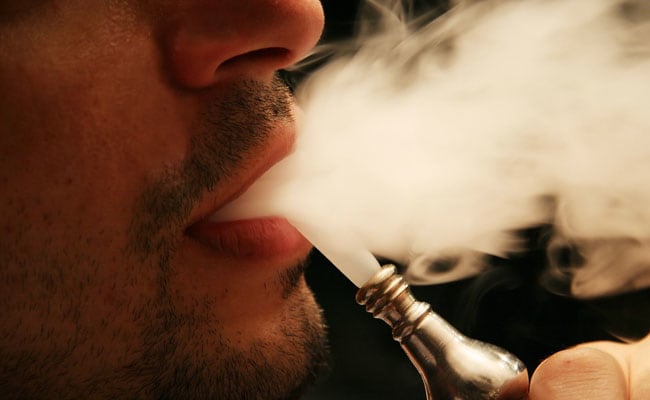
जली को आग कहते हैं, बुझी को राख कहते हैं, जिस राख से फेफड़े कंडम हो, उसे फ्लेवर्ड हुक्के का धुँआ कहते हैं।
Hukka are made to look cool but they kill with impunity. Youngster are being sucked into this vortex of suicidal cult.
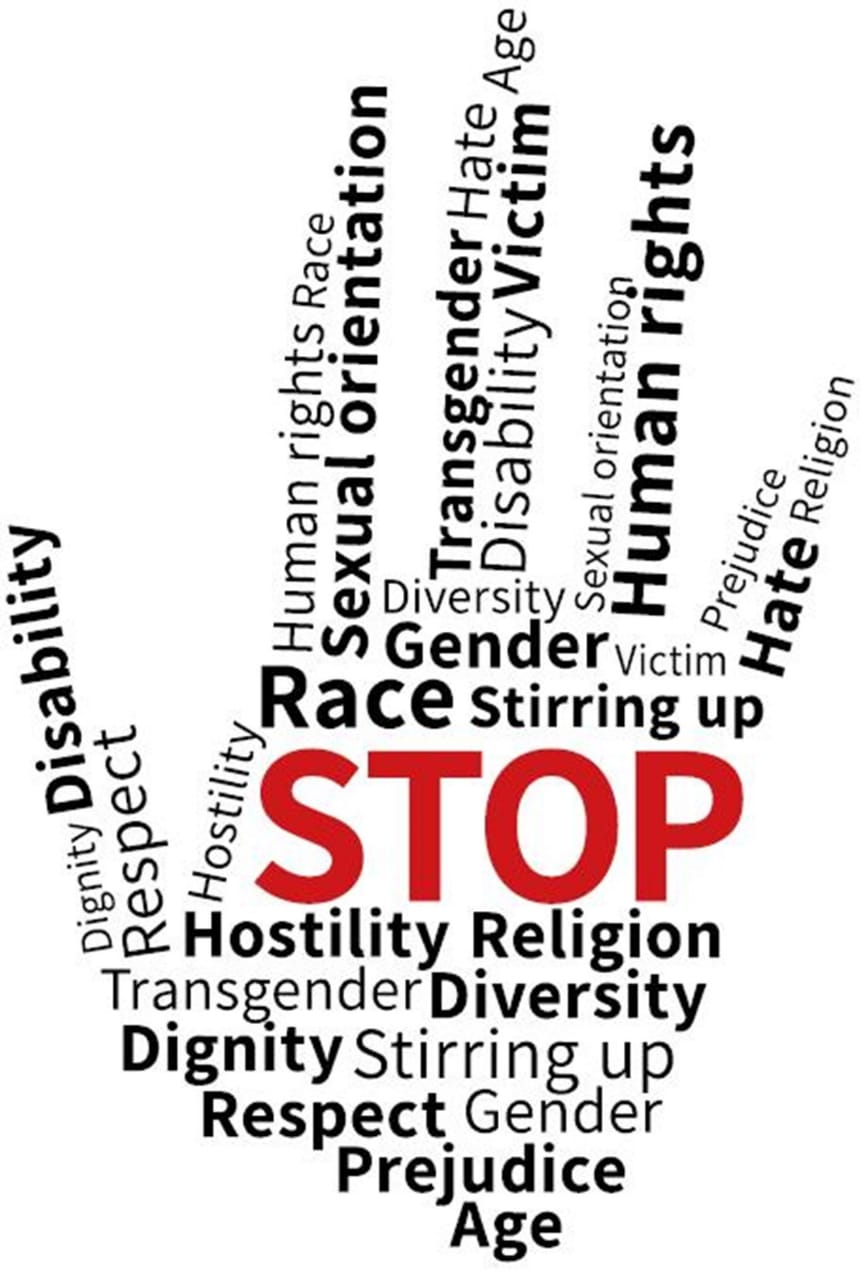
Hate Crimes : their nature and laws connected with them
Hate crimes or Bias-Motivated crime as the name suggests are Psychological in nature. This is because Discrimination or Social Bias is a Psychological term. They have a wide range of psychological consequences.

निर्वरतिकरण का पशुओं पर प्रभाव
Deforestation if forcing animals out of their natural habitat posing danger for both these hapless creatures and the mankind

Assault on Press Freedom-"systematic erosion of Democracy"
"Freedom of the Press, if it means anything at all, means the freedom to criticize and oppose." - George Orwell
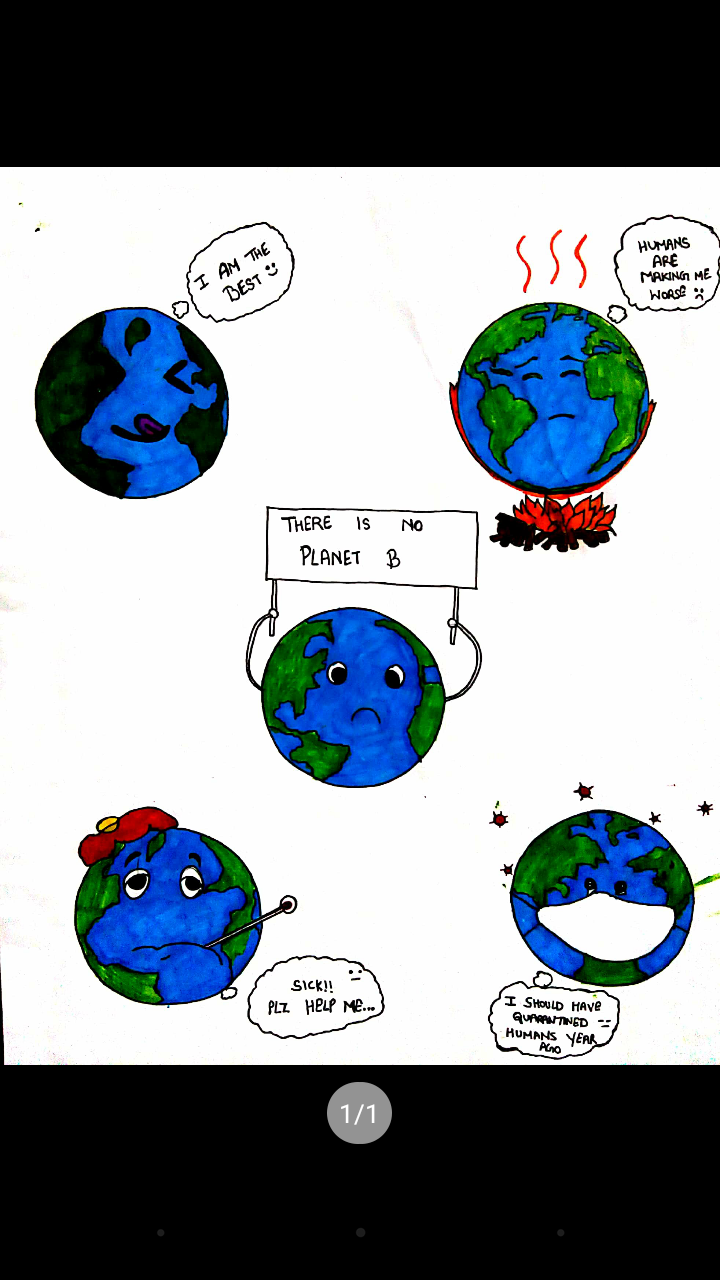
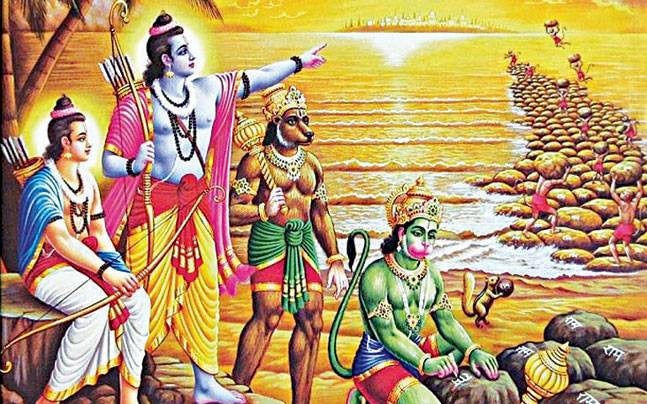
रामायण एवं आज के नैतिक मूल्य
Ramayan has been guiding the mankind from time immemorial. Its call never diminishes on our collective conscience.
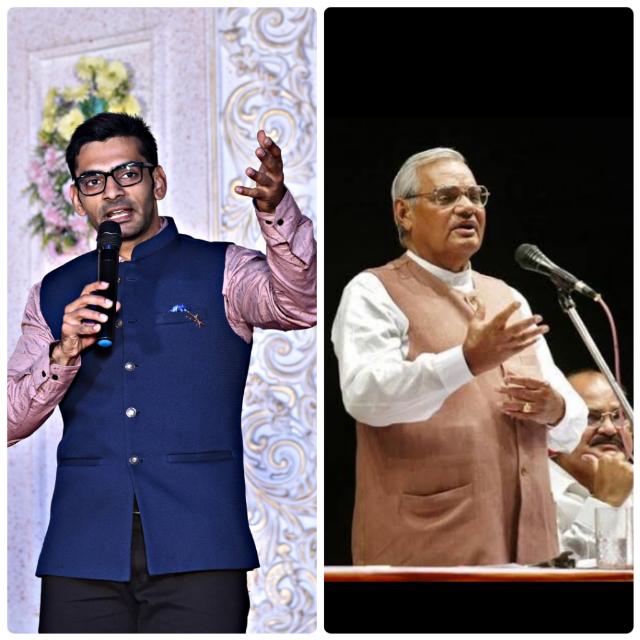
INDIA - THE RESILIENT & THE INDOMITABLE
Battles aren't just won by wars,especially the present one, but they're won by our resilience and indomitable will. And INDIA is a master in it.

India’s Education – A Wake up Call
This article is mainly related to the problems of our education system and how can we as a new generation can take small steps to make this learning journey more memorable for the children
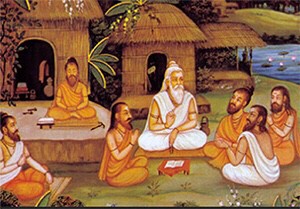
HINDUISM: A WAY OF LIFE
Sanatan Dharm is basically a lifestyle that includes : Humanity, Vegetarianism, Peace, Patience, Forbearance, Self-restraint, Compassion, Honesty, Non-violence, belief in Karma and many more.

Lets make a new beginning . Responsibly.
As we enter a phases of gradual uplifting of lockdown, we must tread with extreme caution. The enemy of mankind is just waiting for us to make mistakes.
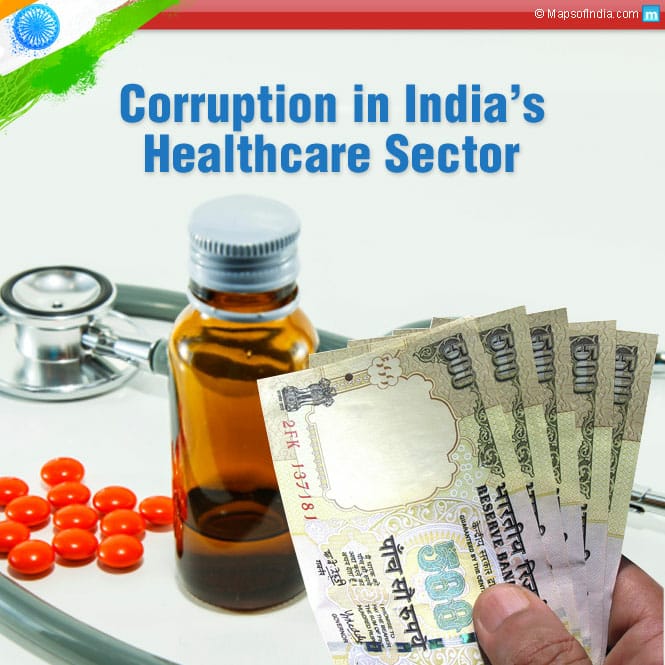
Wealth> Health?
Nearly 2900 people died in India during clinical trials of drugs conducted by various pharmaceutical companies from 2005


Depression
As an ivy extracts all the nutrients from the trunk of a tree in the same manner depression extract all the emotions from a person's life
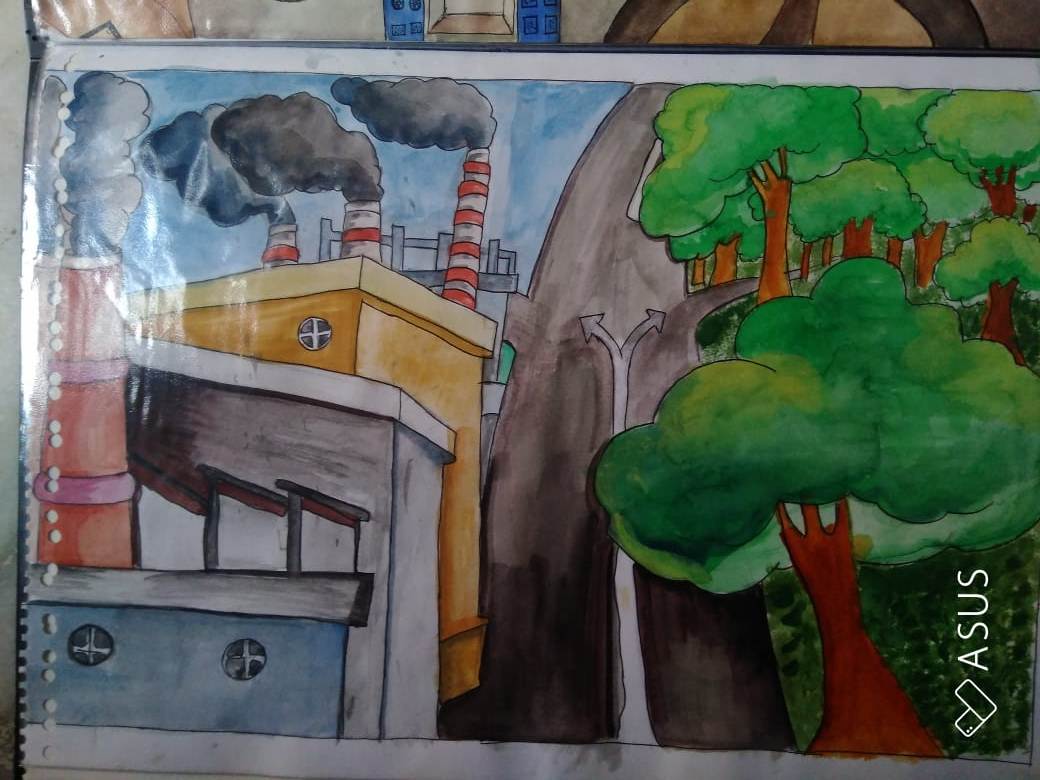

Its a Peoples War on Corona
Every common Indian is working to help the Nation in these difficult times. It truly has become a 'Peoples War'
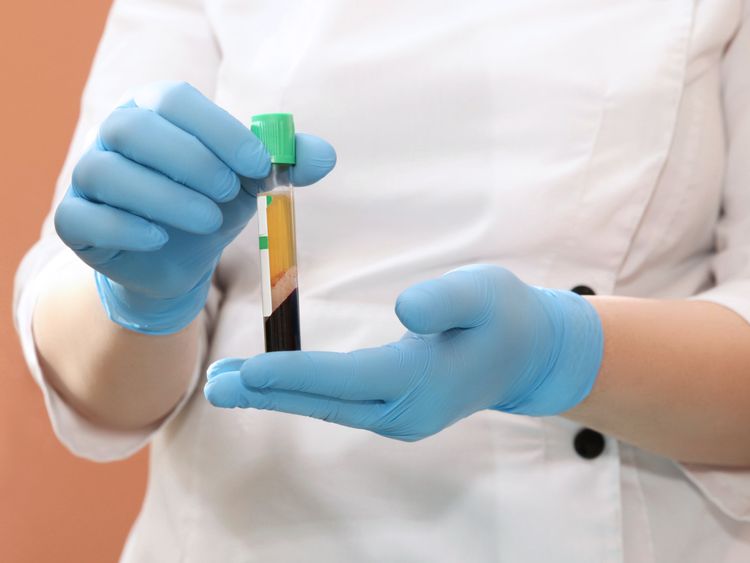
Corona : Its a grim fight but is winnable for sure.
Though numbers are rising but we are still better off. A little more patience and we can win it.
The Real Dharma: A Lost Religion
The Real Dharma: A Lost Religion
Desparate nations making our fight difficult
Pakistaan, China and member of OIC are working on anti India agenda even in such difficult times.
Fighting Pandemic : Lets learn from each other
Our traditional wisdom from time immemorial guides us to learn from all without any man made barriers

Lets keep our vigil high
Internal enemies of the nation are no less deadly than Corona Virus.

Negativity : weakening our fight against Corona virus.
A concerted campaign being orchestrated by the vested interest to show exemplary efforts of Modi Administration in poor light
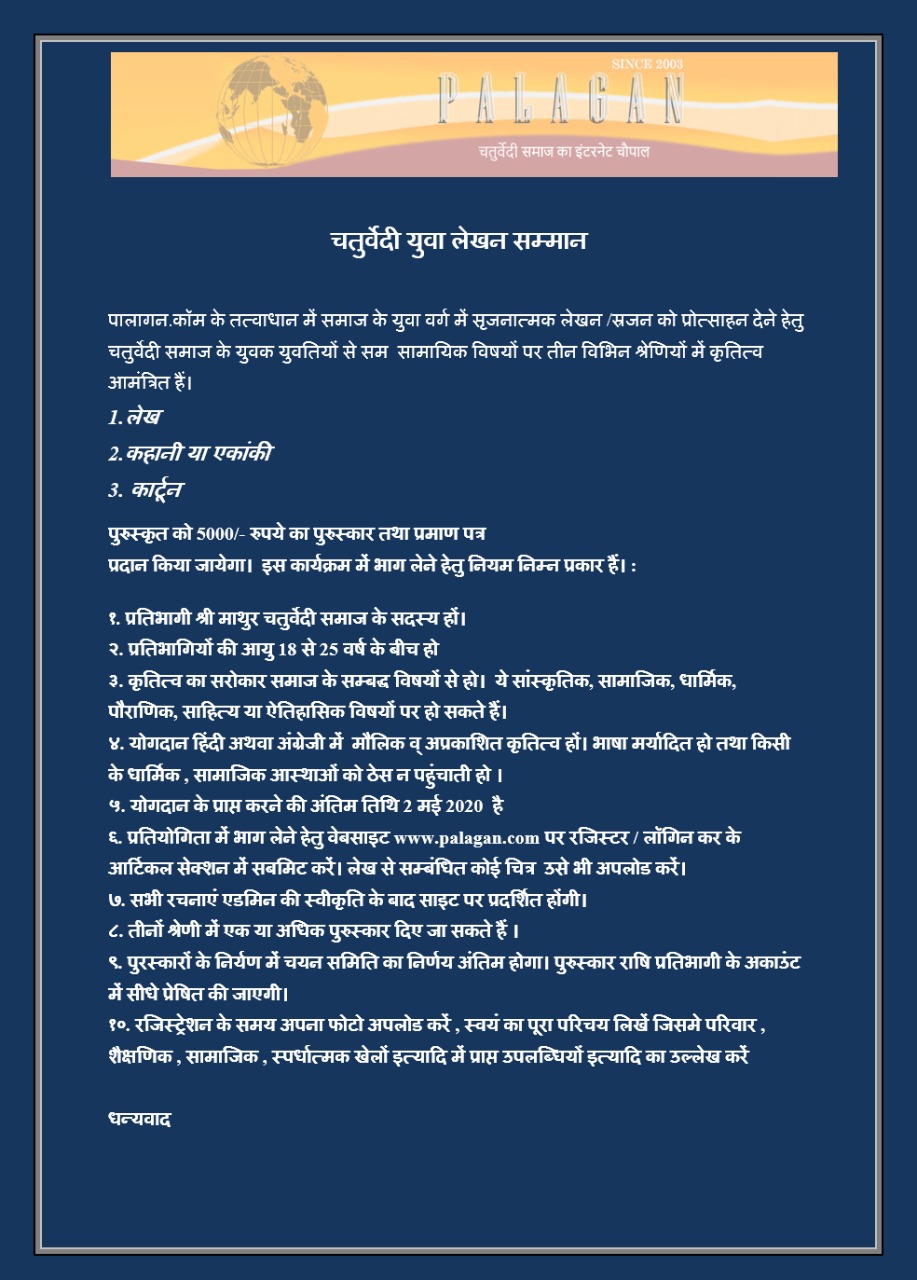
चतुर्वेदी युवा लेखन सम्मान
Entries are invited from Chaturvedi boys and girls to show their creative acumen and win prize(s)
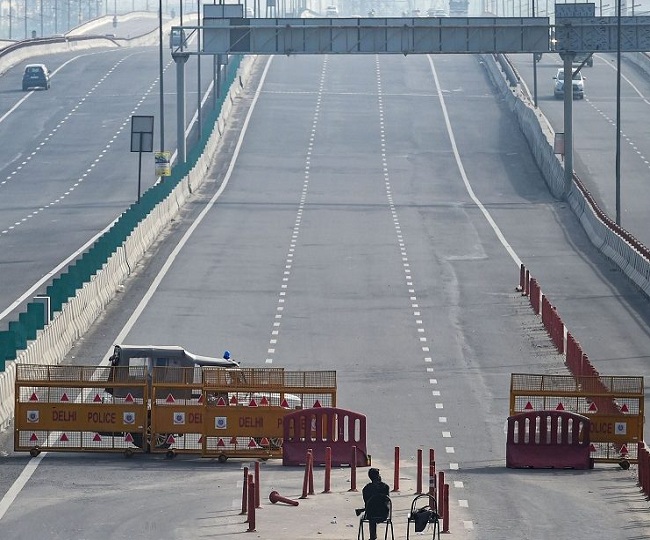
Lockdown is not a comma, its a full stop.
Nations all over the world are turning the tide of Corona virus with Lockdown and a firm resolve. To its no solution is not maturing
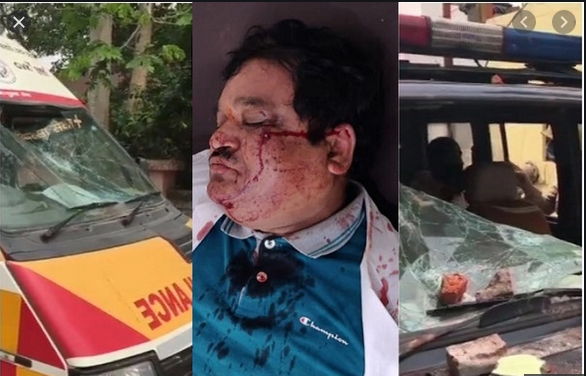
Moradabad Shame : Let the nation fight Corona with full vigor
When Narendra Modi administration is asking all hands on the deck , what we witnessed in Moradabad is utter shame
Sambhav of Vaaranasi gets booked for accomodating a Chinese Student
Sambhav of Vaaranasi gets booked for accomodating a Chinese Student
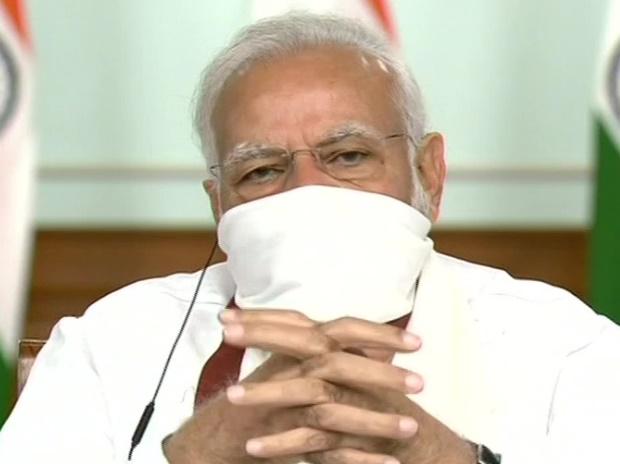
"Jan bhi , Jahan Bhi " : The prudent Governance.
Modi Government's decision to balance safety with controlled business activity calls for appreciation for prudence.
Dr SK Chaturvedi On social aspects of Corona
Dr SK Chaturvedi On social aspects of Corona
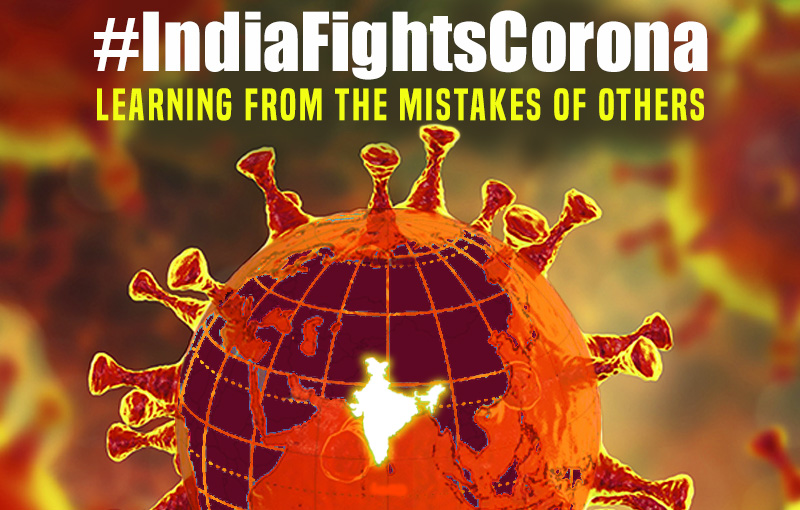
#IndiaFightCorona
How Indians are fighting the pandemic of Corona virus as one team
Time to define the Fundamental Duties.
Time has now come that our law makers have to take a call ,that we amend the constitution and define the fundamental duties for every Indian


India helps US in the critical hour
Modi administration takes a big decision to help US in the war against Covid Virus.
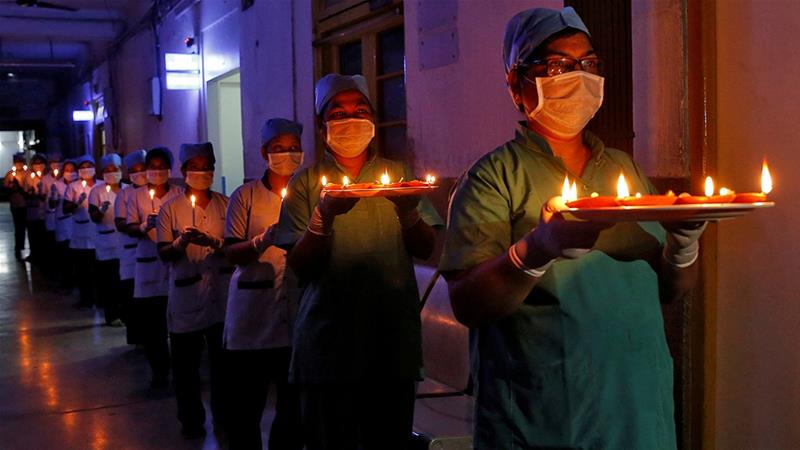



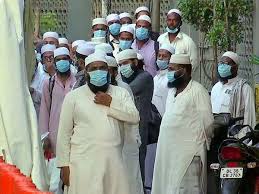
Irresponsibility or Sabotage ?
Irresponsibility or Sabotage ?
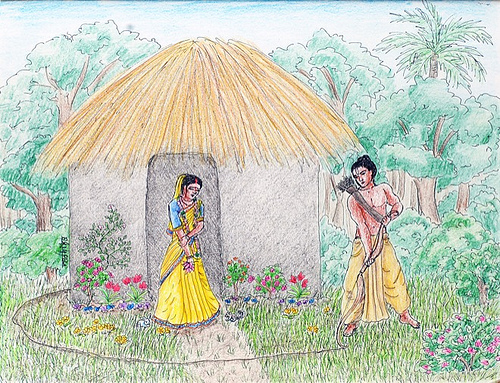
Blessed are those who heed
Blessed are those who heed

Your only weapon in this war - Stay cheerful.
Your only weapon in this war - Stay cheerful.
Lockdown - Self quarantine
Lockdown - Self quarantine
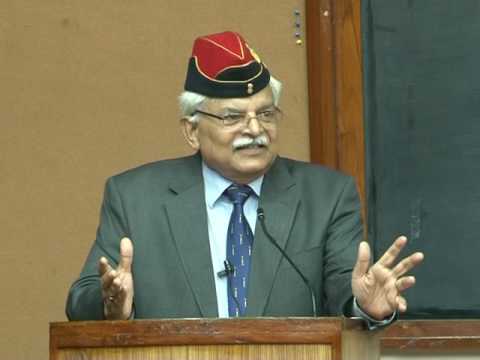
We must fight it out together
Blog by Lt Gen V K Chaturvedi on nations fight against Corona virus
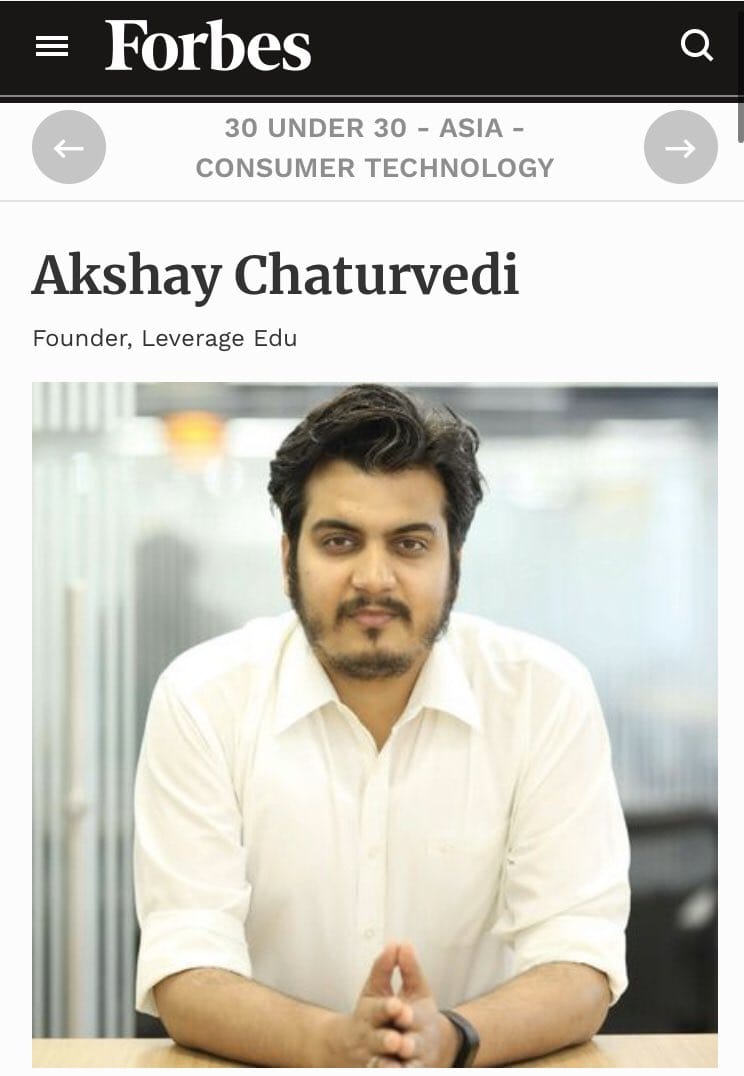
Akshay Chaturvedi named Achiever under 30 by Forbes
Akshay Chaturvedi named Achiever under 30 by Forbes
वसीयतनामा : एक पारिवारिक दायित्व एवं कर्तव्य
Will Writing is a duty and responsibility we owe to our dear ones

Interview with Vibha Chaturvedi , Mrs Universe of Destination 2020
Vibha has recently won the coveted beauty pageant . She shares her moments of glory with Palagan.com

The Real Wani - Kashmir's True Hero Book by Sonal Chaturvedi
The Real Wani - Kashmir's True Hero Book by Sonal Chaturvedi
होली आई रे
Holi in Hindi movies through the ages
क्या ऐसी सुबह चाहते हैं हम सभी ?
A reflection on our times and acute urban existential crisis
ब्राह्मण गोत्र,प्रवर,वेद,उपवेद,शिखा,सूत्र,पाद,देव इत्यादि का समस्त विप्र वर्ग हेतु अनिवार्य रूप से जानने वाला फिनोमिनल ज्ञान
In-depth information about traditions among Brahmins and why one must know it.
शादी के बिचौलिए
Shadi Ke Bichauliye

Manjari Chaturvedi Kathak Exponent on Project Courtesan
Manjari Chaturvedi Kathak Exponent on Project Courtesan
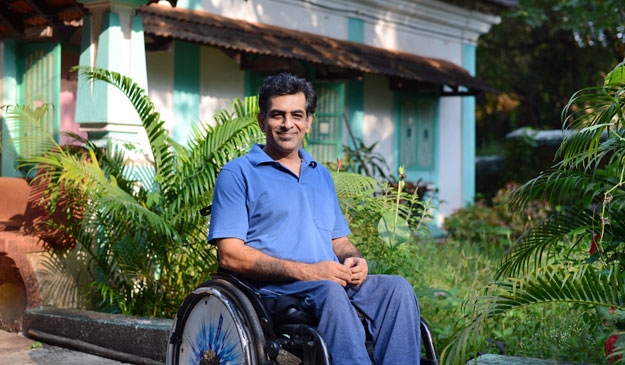
Salil Chaturvedi gets honoured with Hindi Sewa Samman
Salil Chaturvedi gets honoured with Hindi Sewa Samman
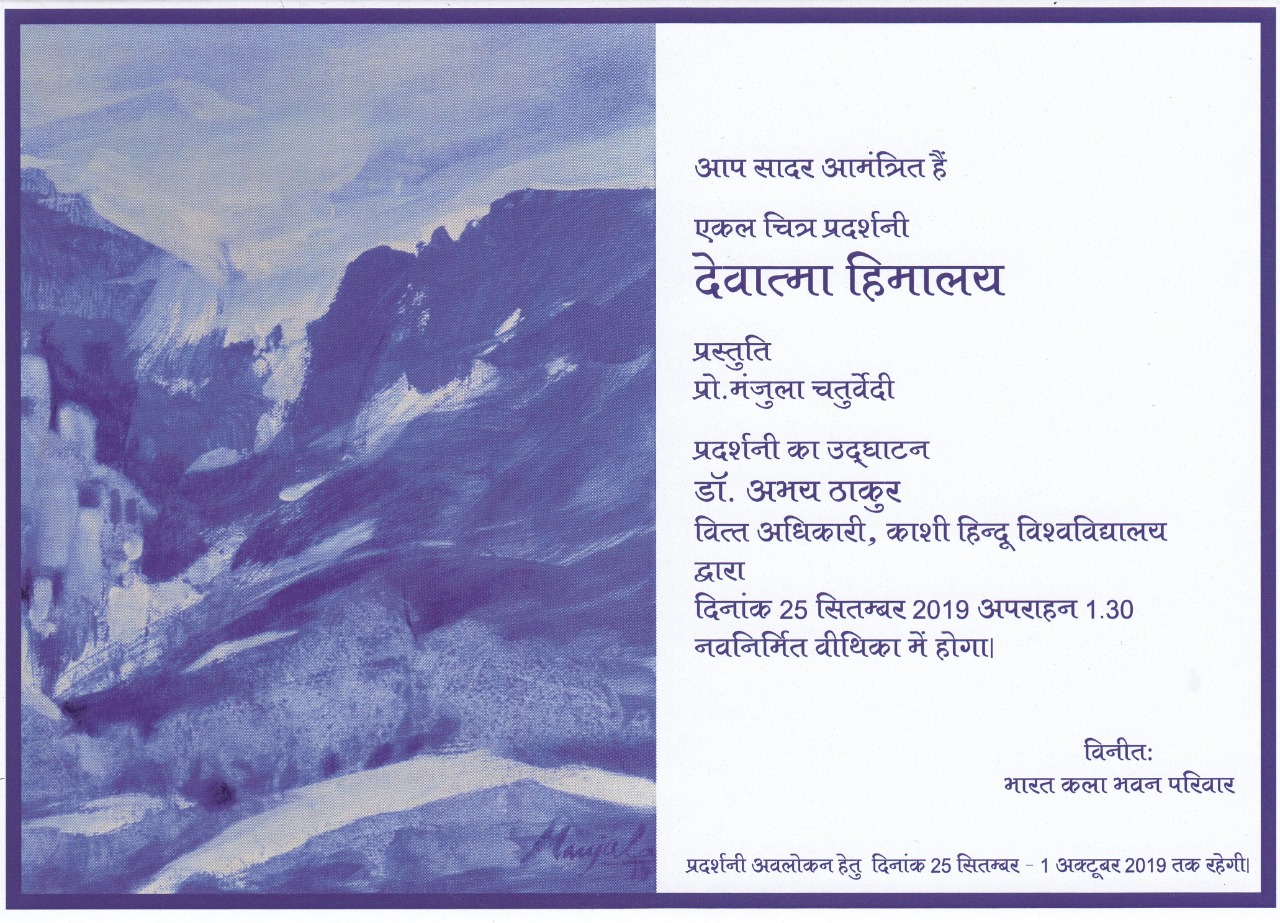
एकल चित्र प्रदर्शनी
??? ????? ?????????

Prerna Chaturvedi CEO and Promoter Evolet launching new electric vehicle in India
Prerna Chaturvedi CEO and Promoter Evolet launching a new electric vehicle in India
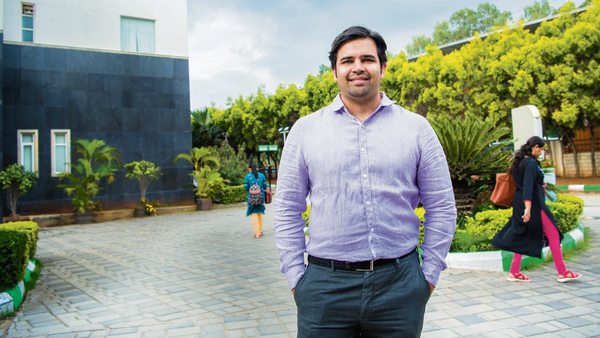
Dr Jagdish Chaturvedi, Bangalore invents over 20 devices to save lives
Dr Jagdish Chaturvedi, Bangalore invents over 20 devices to save lives

Dr Surbhi Chaturvedi get her Doctorate in Medicine Neurology
Dr Surbhi Chaturvedi get her Doctorate in Medicine Neurology
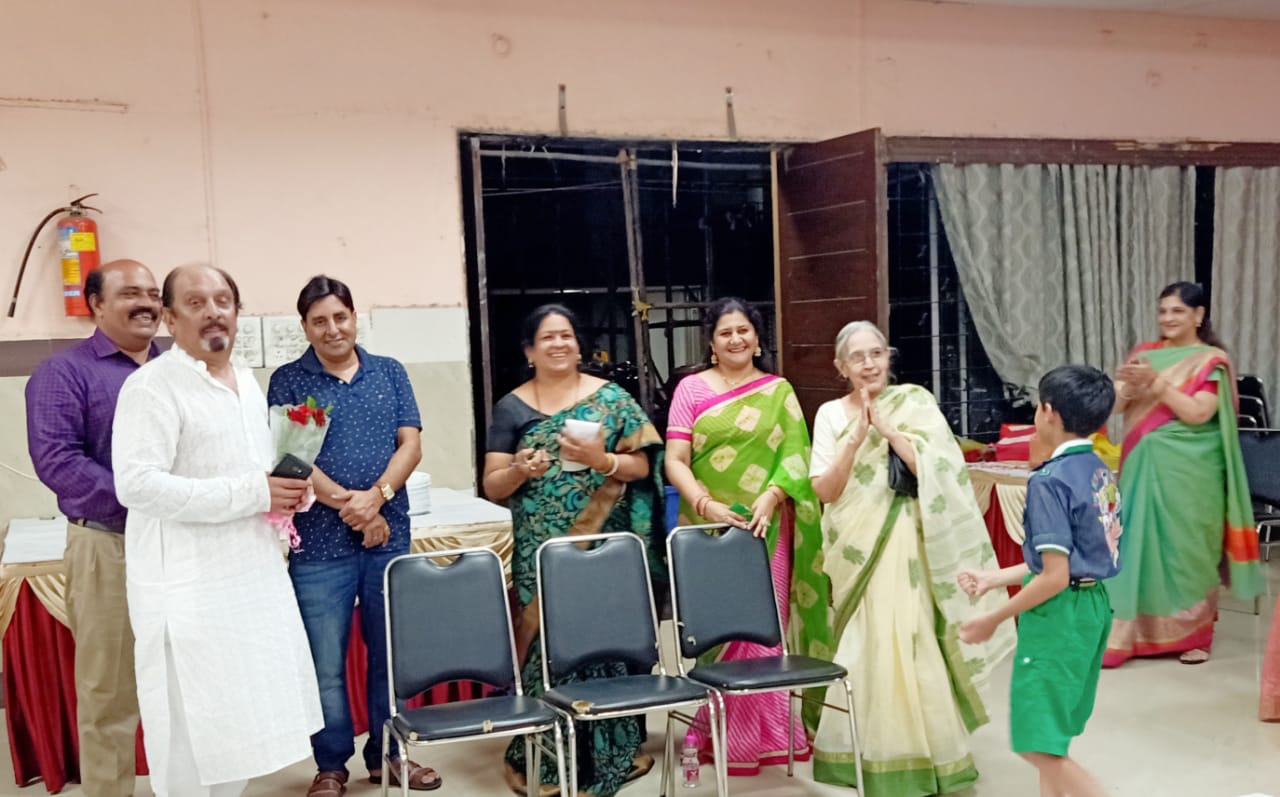
Arun Chaturvedi is the new President of Nagpur Chaturvedi Sabha
Arun Chaturvedi is the new President of Nagpur Chaturvedi Sabha
Ratnakar Chaturvedi walks 3000 KMs from Gangotri to Rameswaram
Ratnakar Chaturvedi walks 3000 KMs from Gangotri to Rameswaram
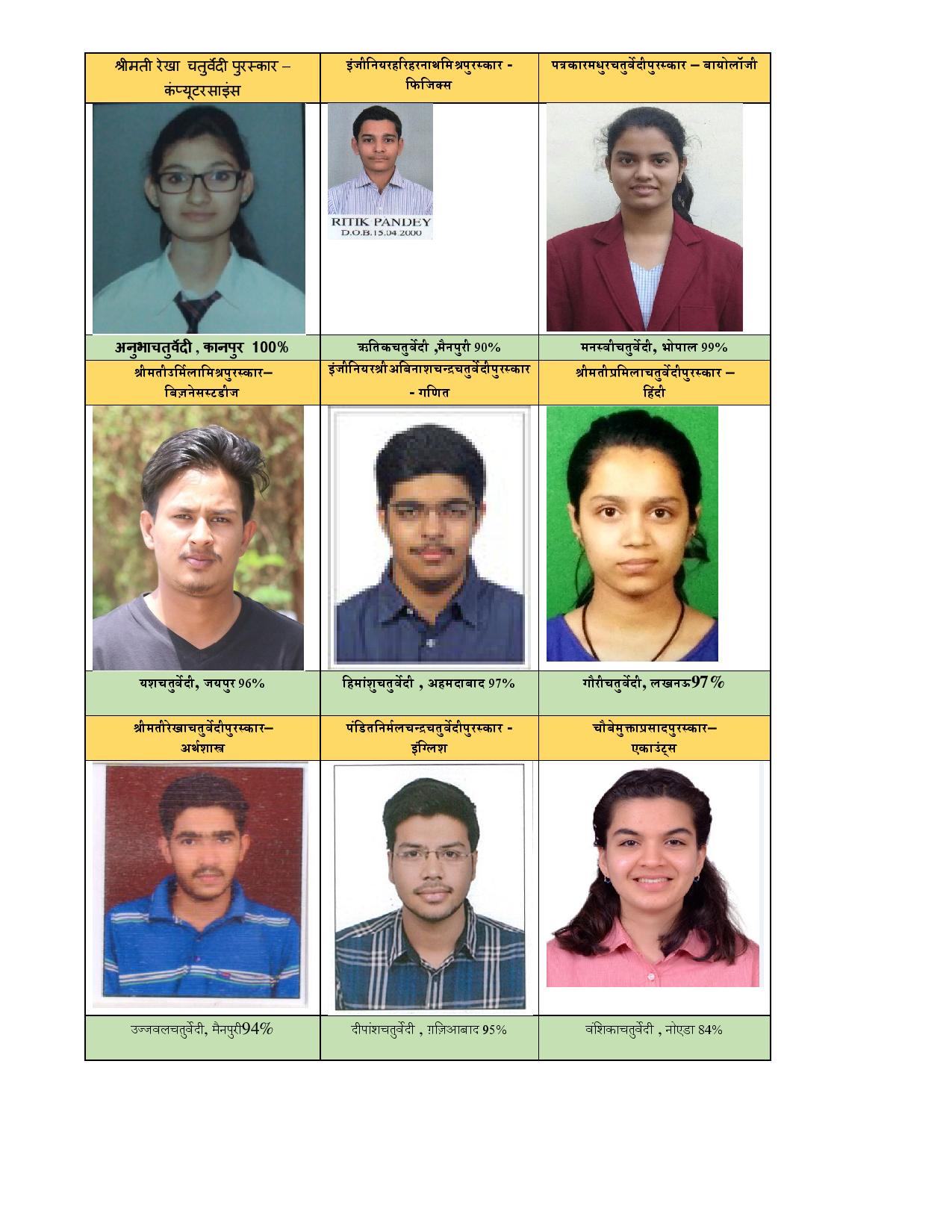
Meritorious Students 2018
Meritorious Students 2018
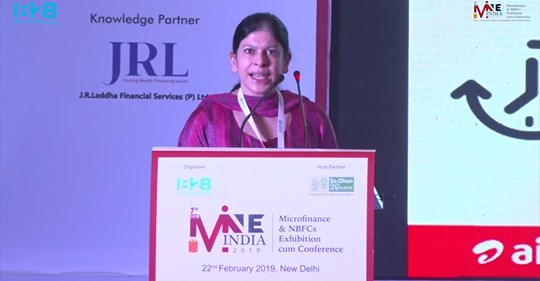
Noopur Chaturvedi Nea country head of small and medium businesses, PayU India
Noopur Chaturvedi Nea country head of small and medium businesses, PayU India
Himanshu Chaturvedi on India WC loss.
Himanshu Chaturvedi on India WC loss.
Sufi-kathak dance form creator Manjari Chaturvedi writes about her connect with Lucknow
Sufi-kathak dance form creator Manjari Chaturvedi writes about her connect with Lucknow
CONSUMERS LEAVE A TRAIL ACROSS DIGITAL TOUCH POINTS IN THE CUSTOMER JOURNEY, AND REVEAL WHO THEY ARE.
CONSUMERS LEAVE A TRAIL ACROSS DIGITAL TOUCH POINTS IN THE CUSTOMER JOURNEY, AND REVEAL WHO THEY ARE.
Pooja Chaturvedi incredibly talented singer gives a soulful performance
Pooja Chaturvedi incredibly talented singer gives a soulful performance
https://www.ibtimes.co.in/siddhant-chaturvedi-proves-he-jack-all-trades-by-performing-bottlechallenge-style-video-800894
Siddhant Chaturvedi wins heart by accepting the #Bottlecapchallange
Nidhi Chaturvedi dies in tragic road accident
Nidhi Chaturvedi dies in tragic road accident

Draupadi and her Pañcala : Book launch by Dr. Neera Misra
Draupadi and her Pancala : Book launch by Dr. Neera Misra
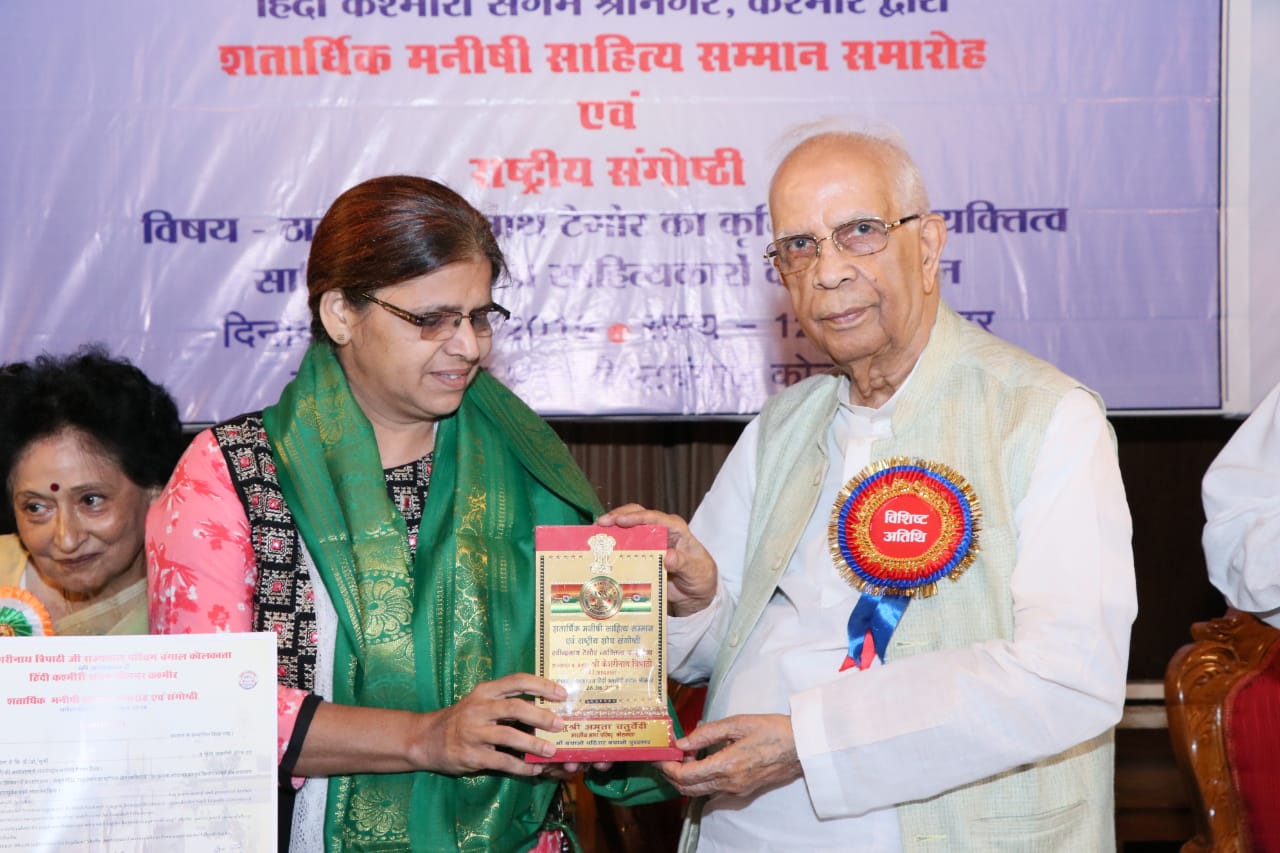
अमृता (चंचल) चतुर्वेदी का महामहिम द्वारा सम्मान
????? (????) ????????? ?? ??????? ?????? ??????
Pre-budget quote by Mr. Jitendra Chaturvedi, Director & Co-Founder, Batooni Mobile Advertising
Jitendra Chaturvedi on budget
THE COURTESAN PROJECT
The dance of the Courtesan...a forgotten era...the baithki abhinaya... A dance set to an imagination where a song is being sung for the "muse", the Tawaif...
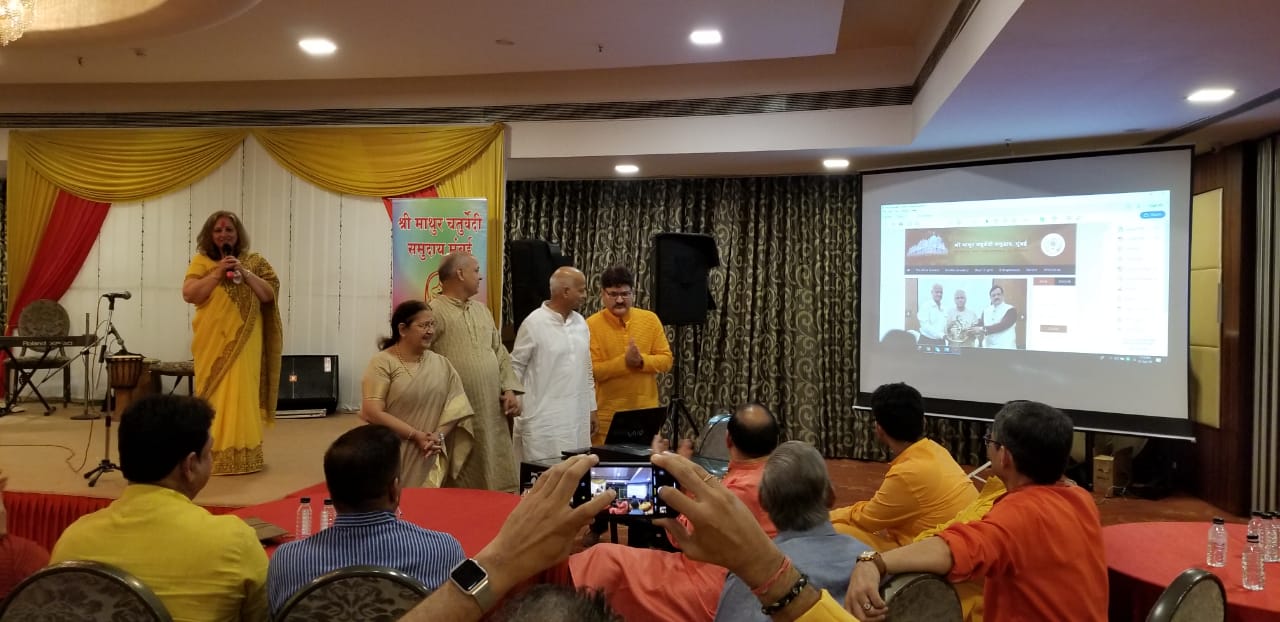
launch of Shri Mathur Chaturvedi Samuday Mumbai website in the presence of president Subhash ji & Ex. President Induji and Ambuj ji by Pratima chaturvedi
launch of Shri Mathur Chaturvedi Samuday Mumbai website in the presence of president Subhash ji & Ex. President Induji and Ambuj ji by Pratima chaturvedi
.jpg)
You can now read Vedas, Brahmanas, Aranyakas, Upanishads Vedangas online.Started by Gov of India.Kudos to Gov.
You can now read Vedas, Brahmanas, Aranyakas, Upanishads Vedangas online.Started by Gov of India.Kudos to Gov.
.jpg)
Sufi-Kathak exponent Manjari Chaturvedi explains why the tawaif culture needs to be given due credit.
Rallying for the courtesan
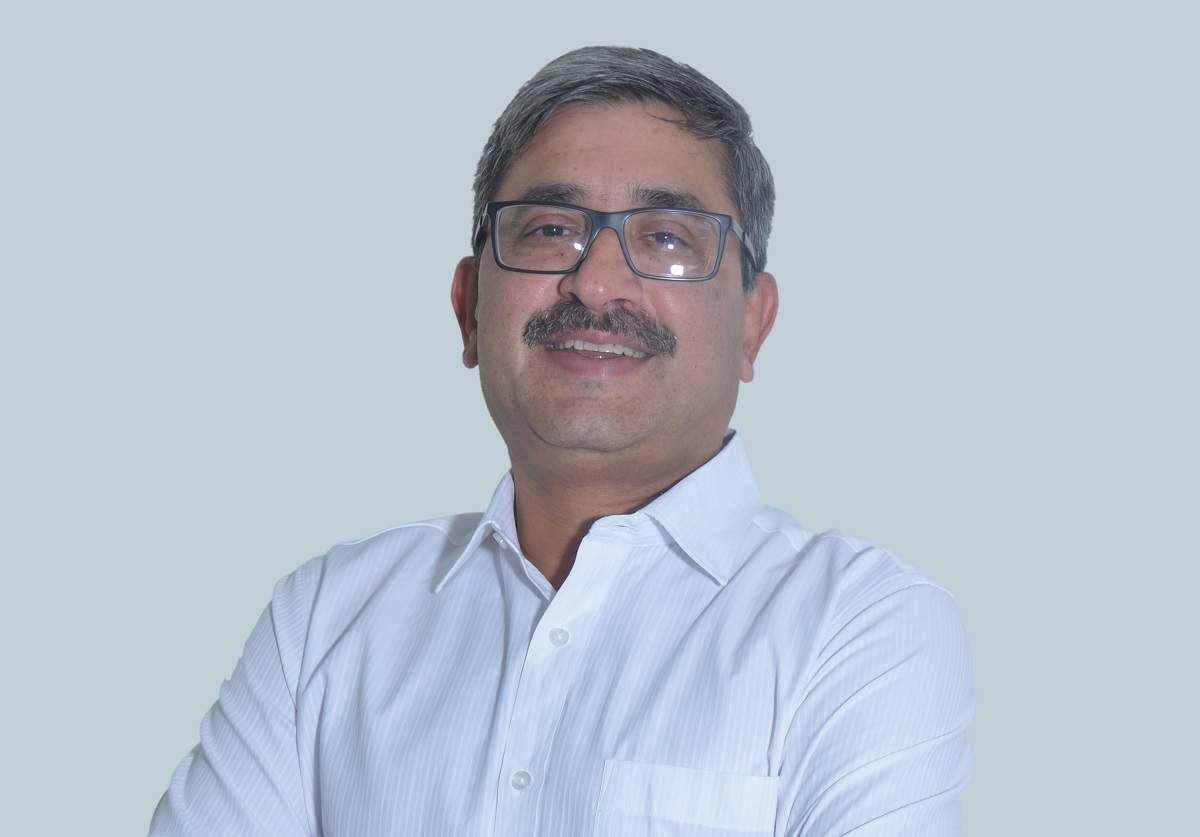
Sanjay Chaturvedi informs they are looking to disburse 1000 Cr in loans by March 2020
We are looking to disburse loan worth Rs 1,000 crore by March 2020: Sanjay Chaturvedi, CEO, Shubham Housing
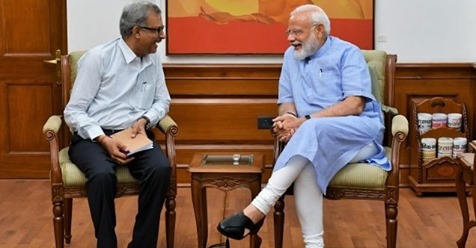
PM Modi's interview to Prabhat Khabar
?? ???? ?? ???? ??? ?? ???? ?? ?? ???? ??. ???????, ??? ???? ???? ??? ???? ??? ?? ????? ?? ???-??? ????? ?? ????? ??? ?? ?????? ????, ?? ??????? ??. ???? ?? ? ???? ??, ? ????????, ????? ????? ?? ???? ??? ???? ???? ??. ???? ?? ?? ?????-????? ?? ????? ?? ??- ????? ?? ???? ??. ??? ????? ?? ????? ?? ??? ?????????? ?????? ?? ?????? ?? ??? ?????? ??? ?? ??? ??. ?? ??? ??? ??? ???? ?? ??? ???,
Feed from WhatsApp