
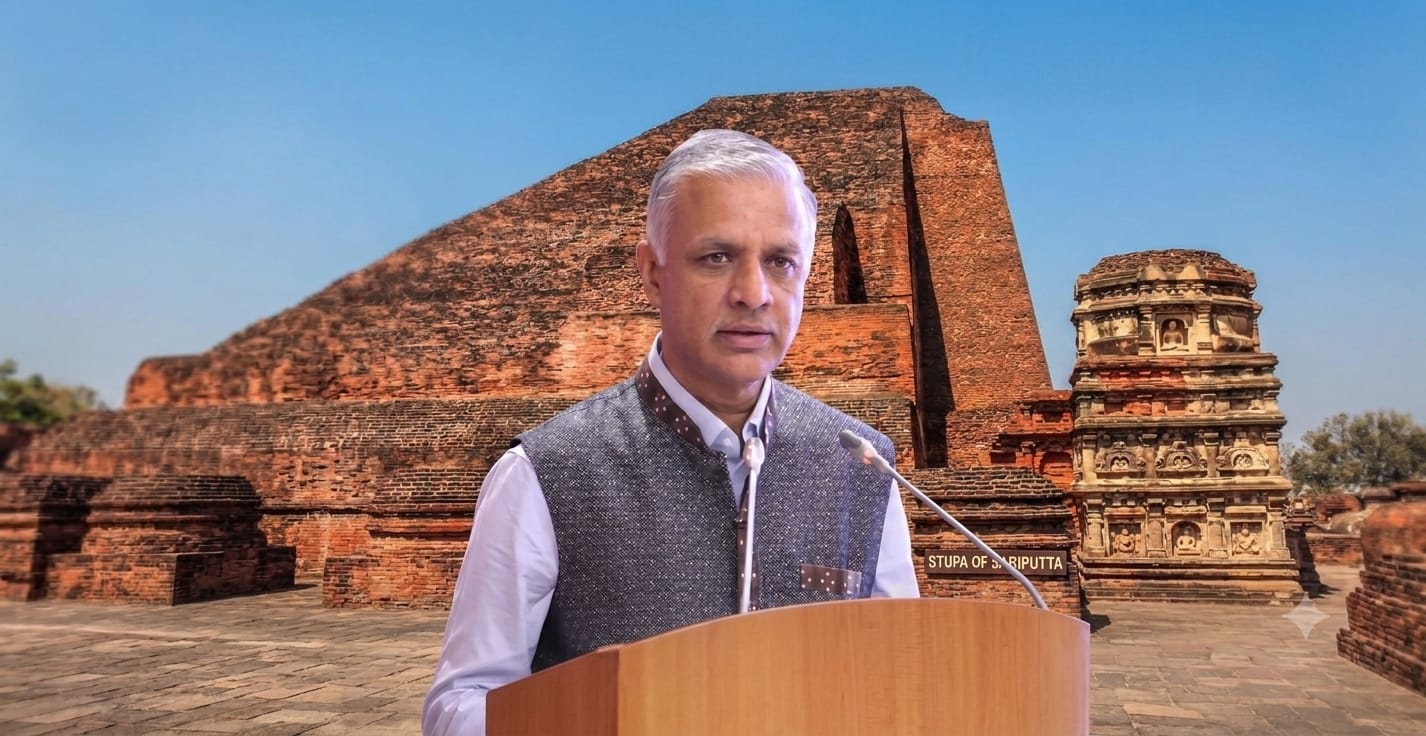
Professor Sachin Chaturvedi, Vice-Chancellor, Nalanda University in conversation with Palagan.com on his vision of Nalanda University
Professor Sachin Chaturvedi is a distinguished economist and academician with extensive experience in international economic cooperation, development policy and research. Before assuming his present responsibility as Vice-Chancellor of Nalanda University in May 2025, he served as Director General of the Research and Information System for Developing Countries (RIS), a New Delhi-based policy research institution focusing on international economic issues and cooperation among developing countries. His work at RIS contributed to policy research and dialogue on development, South-South cooperation and India's engagement with the global economy.
Professor Chaturvedi hails from an illustrious Chaturvedi family rooted in Chandrapur village. He is the grandson of Justice Shambhunath Chaturvedi and the son of Shri Shiv Kumar Chaturvedi and Smt. Shakuntala Chaturvedi. His professional journey reflects a blend of academic scholarship, international engagement and institution-building. As Vice-Chancellor of Nalanda University, he brings this experience to the task of shaping the university's future as a centre of higher learning, research and global intellectual exchange.
The dialogue with Professor Sachin Chaturvedi
1. Your Vision and Roadmap for Nalanda
As Vice-Chancellor, what is your vision for Nalanda University over the next five to ten years? What key initiatives, academic programmes and institutional developments would you like to introduce during your tenure?
Nalanda’s vision is to be a research university that draws on an Indian civilisational inheritance and engages the world on equal terms. Our reference point is Vision 2035, and we see the roadmap for the next ten years under three verticals.
The first is consolidating the academic core. Our academic cohort has for the first time exceed 1,000 this year, and over 70 per cent come from outside India. We are exploring about the academic programs new domains like Ecological Engineering and Integrative Medicine which will commence in the coming years.
The second is research architecture. Nalanda Shodh Vihar (NSV) is bringing our research and policy centres under one umbrella. The centres will feed MA dissertations, PhDs, post-docs, Nalanda University Press, and intend to offer policy inputs for the Union and state governments, and multilateral organizations. The Centre for Southeast Asian Studies, Kautilya Global Centre for State Capacity, Centre for Sustainability and Development Studies are early examples.
The third is the campus as a living laboratory. Our 465-acre campus, with about 100 acres of water bodies, is a net-zero campus integrating traditional wisdom with modern technologies; for example, we have developed on the Ahar-Pyne tradition of water management. We look forward to sharing this experience with other campuses and civic bodies; we already have an executive program that offers training to the working professional on Net-Zero campus development and campus management.
2. Building a World-Class Institution
What are the most important steps required to make Nalanda a globally recognised university in terms of academic excellence, research output and intellectual influence? Are there plans to attract leading international scholars, establish new research centres or develop strategic partnerships with reputed universities worldwide?
Three things matter: people, method and partnerships.
People. We work with scholars who are strong in their disciplines and willing to teach across them. Visiting chairs, artists, scholars and writers in residence, and post-doctoral fellows bring in outside perspectives.
Method. Rigour comes before reputation. Our foundation course on the Nālandā Spirit & Research Methodology and training in Śāstrārtha, the tradition of scholarly conversation in pursuit of knowledge, offers students the exposure to undertake grounded, responsible and socially relevant research. NSV researchers will also receive specialised training in advanced research techniques.
Partnerships. We are putting our MoU practice on a clearer footing, so that each one produces joint teaching, publications or exchange and does not stay on paper. Currently we are having a joint workshop conducted in association with the Hebrew University of Jerusalem, Israel workshop on the caves of the Rajgir hills (12–14 November) on our campus.
3. Making Nalanda Relevant to Contemporary Challenges
The world today faces complex challenges involving climate change, geopolitical tensions, economic inequalities and technological disruption. How do you see Nalanda contributing to solutions through its academic programmes and research? Are there particular areas in which you would like the university to develop global leadership?
Climate, geopolitical tension, inequality and technological disruption are connected problems, and no single discipline can handle them. Nalanda’s contribution is to bring the natural sciences, social sciences and humanities into one conversation, grounded in local context. The inherited Global North paradigms have not served us well in this polycrisis.
I see three areas where Nalanda can lead.
Ecology and regeneration. The campus is designed around five commitments: energy-positive infrastructure, water-positive landscapes, circular zero-waste systems, carbon sequestration and biodiversity restoration. We are proposing a Water and Ecological Heritage Initiative on Ahar-Pyne, a Carbon and Biodiversity Observatory, and a Living Laboratory for Regenerative Development across Rajgir and neighbouring settlements.
Global South development. Our work on South-South cooperation, SDG localisation etc. feeds into union and state governments and multilateral forums. We want to document Global South development experience on its own terms.
Civilizational Connect. Nalanda draws on a shared Buddhist and Asian heritage and serves the East Asia Summit community. Carrying forward the spirit of its predecessor, Nalanda has the potential to anchor India’s civilizational connect through knowledge networks.
4. Opportunities for Indian Students and the Future of Higher Education
What opportunities should Indian students, particularly those from smaller cities and less privileged backgrounds, look forward to at Nalanda? Are there plans to expand scholarships, introduce new disciplines or develop programmes that improve students' career and research prospects? How do you see Nalanda contributing to India's evolving higher education landscape?
A student from a smaller town should expect three things.
First, a classroom with students from many countries. With more than 70 per cent of the current cohort coming from abroad, an Indian student gets international exposure at home, with no additional travel costs associated with any international travel.
Second, research from the first year. MA students can anchor dissertations in NSV projects. Research interns and assistants can move across centres. The path from MA to PhD to post-doc is becoming more continuous.
Third, new disciplines and routes in. The Masters programs in niche areas like Sustainable Development and Management, Science and Technology Policy Studies, Data Analytics and AI and programs in the domains like ecological engineering and integrative medicine in the coming years would offer unique opportunities to the students to leverage on their talents and potential and pursue their passion.
For the wider system, I would like Nalanda to show that Indian knowledge traditions can be taught with the same rigour as any other field and that interdisciplinary programmes can work at scale. Other universities can then adapt what works.
5. Measuring Success and Creating a Lasting Legacy
Universities are often judged by rankings, placements and research publications, but their true contribution is also measured by the ideas they generate and the leaders they shape. What parameters would you use to measure Nalanda's success?
Rankings and placements matter, but they are lagging indicators. I would look at the following.
- Research: quality of publications and their social impact, social relevance, not just volume; the share of outputs from interdisciplinary teams; occasional papers and policy briefs that governments and agencies take up.
- Students: how many reach good academic career, public service, research institutions and enterprise; how many international graduates stay connected with Nalanda.
- Institution: the diversity of the cohort, the strength of partnerships measured by joint outputs, and progress against the campus’s regenerative targets.
- Ideas: whether concepts developed here, such as the Nālandā Spirit, Shastratha, and regenerative university, enter wider debate.
I would like Nalanda to be trusted for rigorous, independent scholarship and to produce graduates who combine intellectual depth with a sense of responsibility. The institutional structures should be strong enough so that we can build on them as we move ahead without starting again.
Related Posts


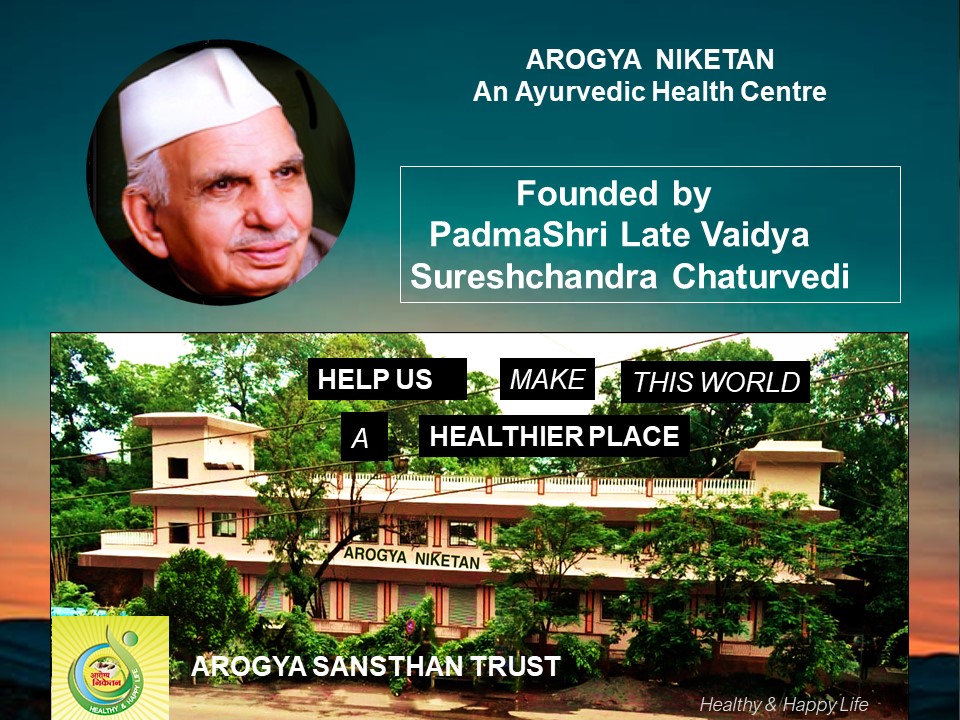
Arogya Niketan : Ayurveda Health Center : Late PadmaShri Vaidya Suresh Chaturvedi
Arogya Niketan : Charitable Services for better health through Ayurveda by Late PadmaShri Vaidya Suresh Chaturvedi : Founder Arogya Sansthan Trust


Mother’s day, the day to celebrate the day of creator
With the times people have started realising that it is not a bad thing if you shed tears while thinking your mother.


Metro Ride
A keen observation of life inside a Metro train by regular commuter where small details have so much hidden social messaging.

Great Consciousness
The thing about a great realisation is that it flips your perceptions for life, makes you dive into your deep subconscious.

GEN-Z AND RELIGION
It is a rather common misconception to think that religion has to do with god, or gods and supernatural beings or a supernatural or spiritual dimension or greater reality. None of that is absolutely necessary because there are religions that are without those elements.
Kashmir: The anecdote of a modern woman
A demon in disguise of suitor (Pakistan)is after her life and has made her life hell. He wants to destroy her, overpower her but look at her kindness, she despite knowing it all, feeds him with water and makes his survival possible.

जली को आग कहते हैं, बुझी को राख कहते हैं, जिस राख से फेफड़े कंडम हो, उसे फ्लेवर्ड हुक्के का धुँआ कहते हैं।
Hukka are made to look cool but they kill with impunity. Youngster are being sucked into this vortex of suicidal cult.

Hate Crimes : their nature and laws connected with them
Hate crimes or Bias-Motivated crime as the name suggests are Psychological in nature. This is because Discrimination or Social Bias is a Psychological term. They have a wide range of psychological consequences.

निर्वरतिकरण का पशुओं पर प्रभाव
Deforestation if forcing animals out of their natural habitat posing danger for both these hapless creatures and the mankind

Assault on Press Freedom-"systematic erosion of Democracy"
"Freedom of the Press, if it means anything at all, means the freedom to criticize and oppose." - George Orwell
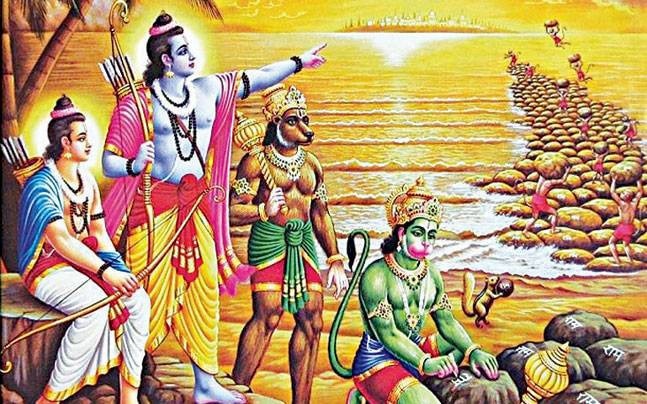
रामायण एवं आज के नैतिक मूल्य
Ramayan has been guiding the mankind from time immemorial. Its call never diminishes on our collective conscience.
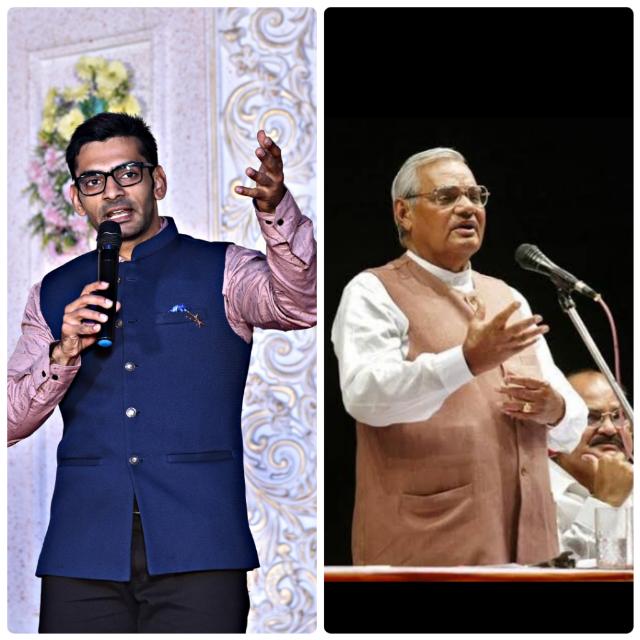
INDIA - THE RESILIENT & THE INDOMITABLE
Battles aren't just won by wars,especially the present one, but they're won by our resilience and indomitable will. And INDIA is a master in it.

India’s Education – A Wake up Call
This article is mainly related to the problems of our education system and how can we as a new generation can take small steps to make this learning journey more memorable for the children
HINDUISM: A WAY OF LIFE
Sanatan Dharm is basically a lifestyle that includes : Humanity, Vegetarianism, Peace, Patience, Forbearance, Self-restraint, Compassion, Honesty, Non-violence, belief in Karma and many more.
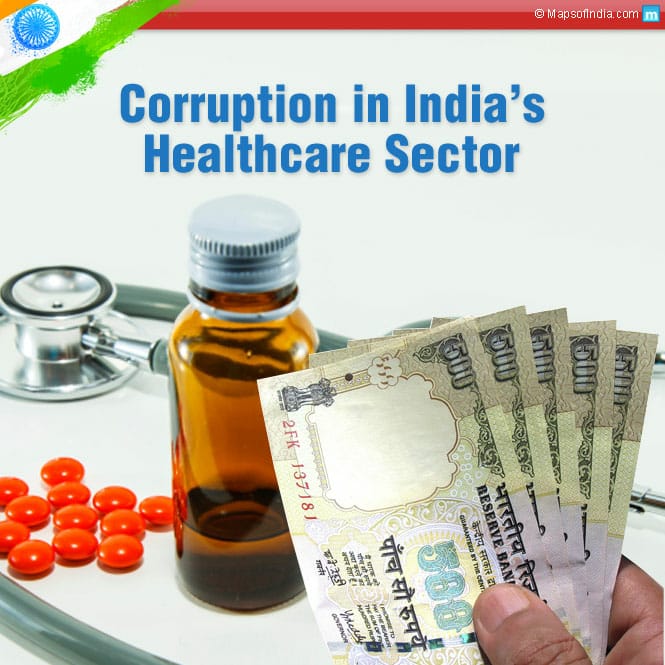
Wealth> Health?
Nearly 2900 people died in India during clinical trials of drugs conducted by various pharmaceutical companies from 2005


Depression
As an ivy extracts all the nutrients from the trunk of a tree in the same manner depression extract all the emotions from a person's life
The Real Dharma: A Lost Religion
The Real Dharma: A Lost Religion
वसीयतनामा : एक पारिवारिक दायित्व एवं कर्तव्य
Will Writing is a duty and responsibility we owe to our dear ones

Interview with Vibha Chaturvedi , Mrs Universe of Destination 2020
Vibha has recently won the coveted beauty pageant . She shares her moments of glory with Palagan.com
होली आई रे
Holi in Hindi movies through the ages
क्या ऐसी सुबह चाहते हैं हम सभी ?
A reflection on our times and acute urban existential crisis
ब्राह्मण गोत्र,प्रवर,वेद,उपवेद,शिखा,सूत्र,पाद,देव इत्यादि का समस्त विप्र वर्ग हेतु अनिवार्य रूप से जानने वाला फिनोमिनल ज्ञान
In-depth information about traditions among Brahmins and why one must know it.
शादी के बिचौलिए
Shadi Ke Bichauliye
Feed from WhatsApp